Isomorphic Labs, the drug discovery company spun out of Google DeepMind in 2021, is in advanced discussions to raise more than $2 billion in a new funding round, according to Bloomberg. Thrive Capital, the venture firm that led Isomorphic Labs' first funding round last year, is set to lead the new financing, with Alphabet also participating.
The round would represent a massive follow-on to the company's initial $600 million Series A, which was intended to fund a transformative future. Isomorphic was spun out of Google DeepMind after the Nobel Prize-winning breakthrough of AlphaFold, with a mission to "solve all disease."
The AlphaFold Foundation
In October 2024, Demis Hassabis and John Jumper were co-awarded the Nobel Prize in Chemistry for developing AlphaFold, a groundbreaking AI system that predicts the 3D structure of proteins from their amino acid sequences. Hassabis and Jumper developed an AI model to solve a 50-year-old problem: predicting proteins' complex structures.
The AlphaFold Protein Database has been used by over 3 million researchers in more than 190 countries, including over 1 million users in low- and middle-income countries. Over 30% of AlphaFold-related research is focused on better understanding disease.
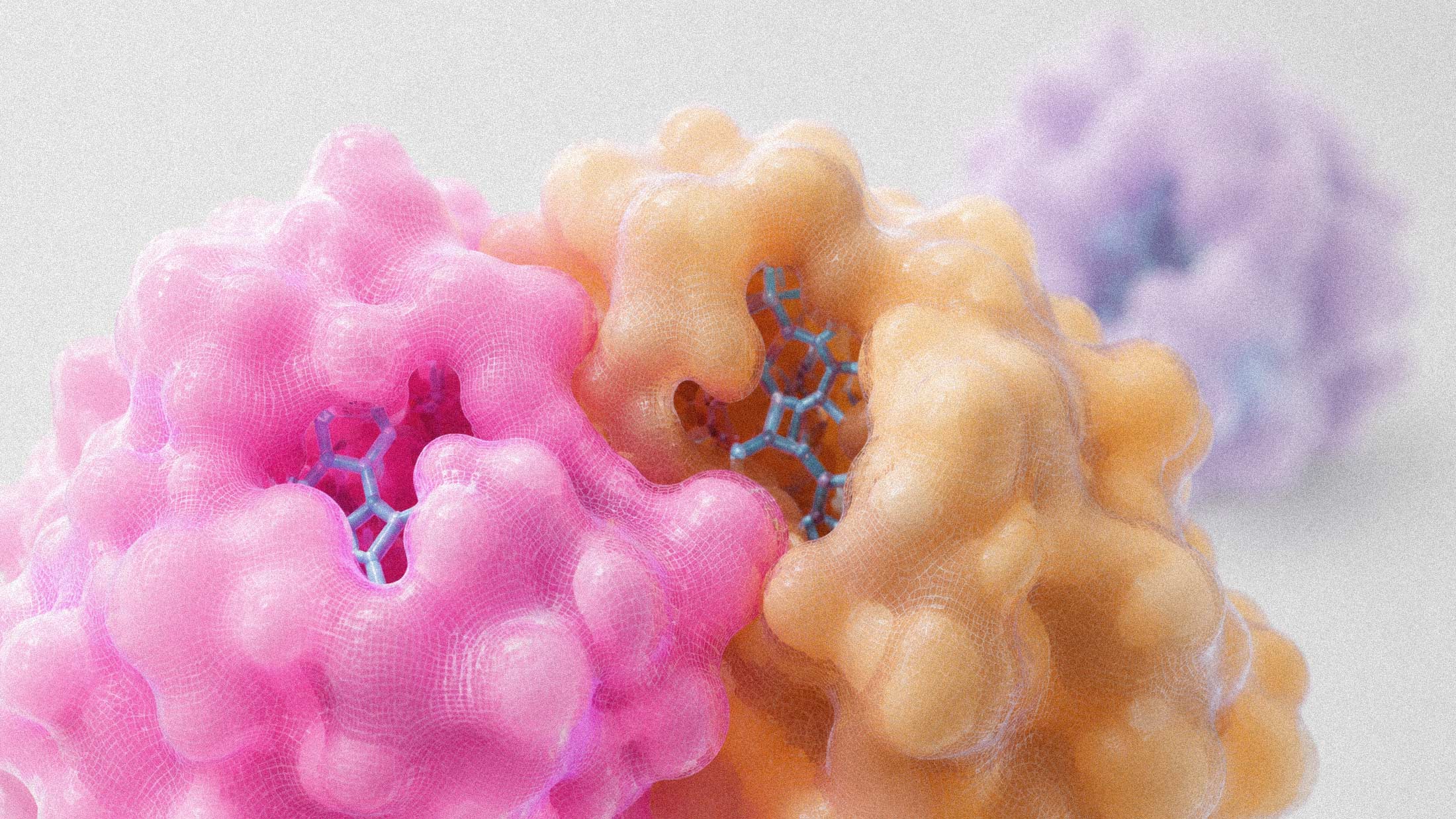
The progression from AlphaFold 2 to AlphaFold 3 has been significant. AlphaFold 3 achieves unprecedented accuracy in predicting drug-like interactions, including the binding of proteins with ligands and antibodies with their target proteins. It is 50% more accurate than the best traditional methods on the PoseBusters benchmark without needing the input of any structural information.
Beyond Structure Prediction
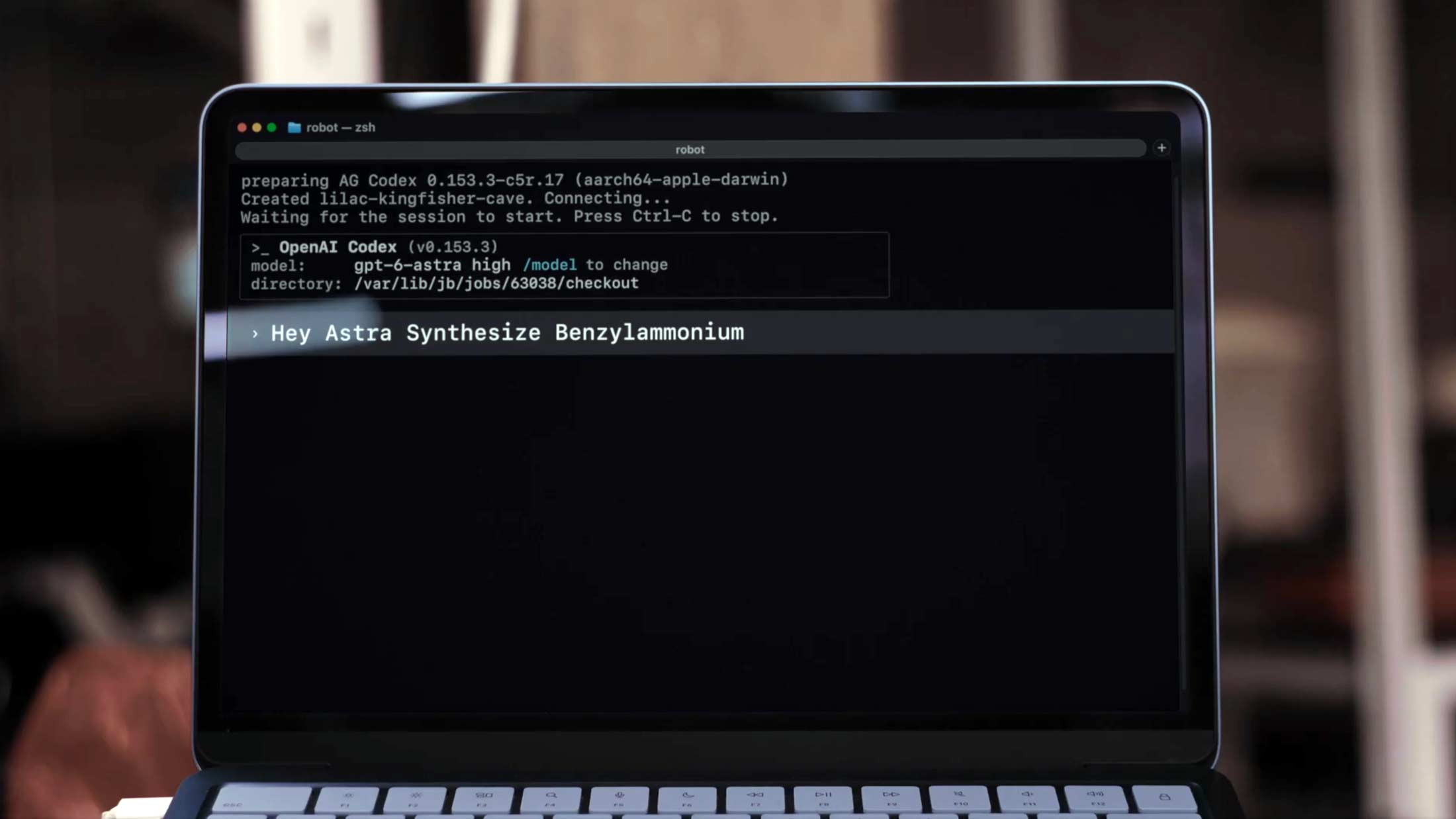
In February 2026, Isomorphic announced its Drug Design Engine (IsoDDE), which doubled the performance of AlphaFold 3 on a protein-ligand structure prediction benchmark, predicts small molecule binding-affinities with higher accuracy than physics-based methods at a fraction of the time and cost, and identified new binding pockets on target proteins using only the amino acid sequence.
Isomorphic's own scientists have acknowledged that AlphaFold 3 alone won't be sufficient: "We know we're never going to solve drug design with AlphaFold alone. We'll need half a dozen more breakthroughs of that magnitude to reach our ambitious goal."
The company has already secured significant pharmaceutical partnerships. Just more than two years after launching within Alphabet, Isomorphic inked two large pharma deals with Eli Lilly and Novartis with nearly $3 billion in combined deal value. Lilly handed over $45 million upfront with more than $1.7 billion in milestone payments. The deal with Novartis includes $37.5 million in upfront cash with $1.2 billion in potential milestones.
The Reality Check
The enthusiasm comes with caveats. A clinical trial delay has emerged as a clear guidance reset: CEO Demis Hassabis delayed the company's first clinical trials from the end of 2025 to the end of 2026. The market has moved on from the pure AlphaFold story to demanding clinical results, and Isomorphic's delay is a reminder that those results are still years away.
AI drug discovery is different from other AI applications. A promising molecule is not a product. A partnership announcement is not proof of approval. A model that predicts interactions well still has to survive laboratory testing, toxicology, human trials and regulatory review.
AI may speed up discovery and improve prediction, but it does not eliminate the inherent complexity of living systems. The expectation gap between computational promise and biological reality is the sector's persistent vulnerability.
DeepMind's Broader Track Record
Isomorphic's pedigree matters. DeepMind has achieved numerous landmark AI breakthroughs such as AlphaGo, the first program to beat the world champion at the game of Go, and AlphaFold, which solved the 50-year grand challenge of protein structure prediction.
In 2020, DeepMind cracked the protein folding problem with AlphaFold 2, then folded the structures for all 200 million proteins known to science and made them freely available. Today, over 3 million researchers around the world use the AlphaFold database.
The company has also developed models for mathematical reasoning and algorithm discovery, including AlphaZero, which beat the most powerful programs playing go, chess and shogi, and more recently AlphaGeometry, AlphaEvolve, AlphaDev, and AlphaTensor.
The Path Forward
The companies that win in AI drug discovery will need more than good models. They will need proprietary biological data, tight feedback loops between software and wet labs, enough compute to keep improving their systems, and enough money to keep programs alive through long clinical timelines. That combination naturally favors companies with very deep-pocketed investors or strategic parents that can tolerate years of uncertainty.
This is where Isomorphic has a structural advantage. Google can afford to think differently. Alphabet already spends heavily on AI infrastructure, has world-class research assets through DeepMind, and can support a company whose payoff may arrive over a decade rather than a quarter.
The $2 billion raise would position Isomorphic for the long game that AI-driven drug discovery demands. Whether the technology can deliver on its promise remains an open question. For now, the company has bought time with a guidance reset. The coming year will show if that time is well spent.