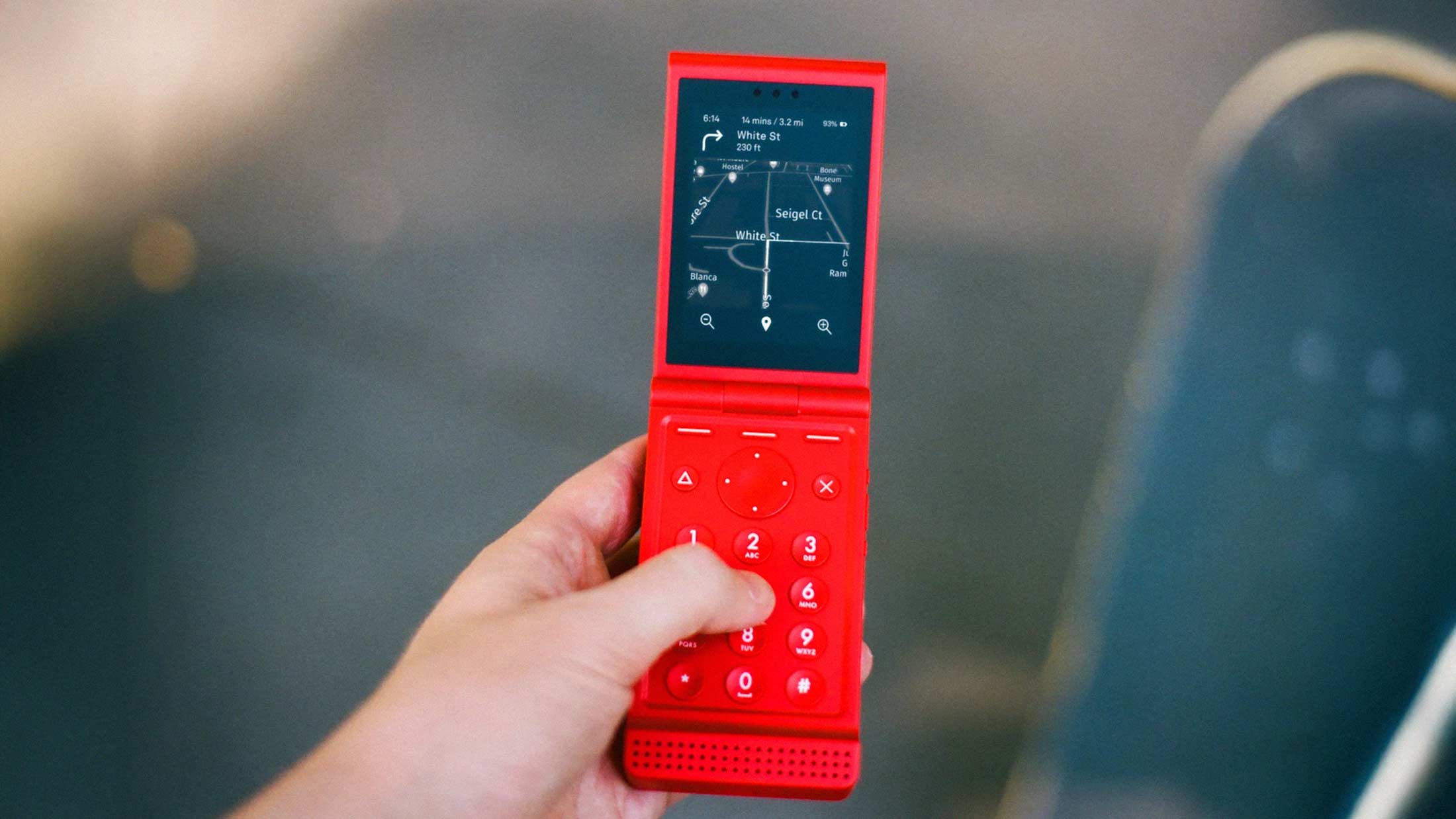
Light has spent a decade building phones designed to be used as little as possible. The Light Flip, announced today, takes that philosophy and wraps it in a clamshell body that would look right at home in 2005.
The device costs $299 outright or $39 per month with a bundled service plan over two years. That's a significant drop from the Light Phone III, which currently retails for $799. The tradeoffs are real: the Flip swaps the III's aluminum body for plastic, ditches the touchscreen for a physical keypad and navigation controls, and drops the selfie camera entirely. But those compromises are precisely what enabled the lower price. For buyers who found the Light Phone III appealing but couldn't justify its cost, the Flip changes the math.

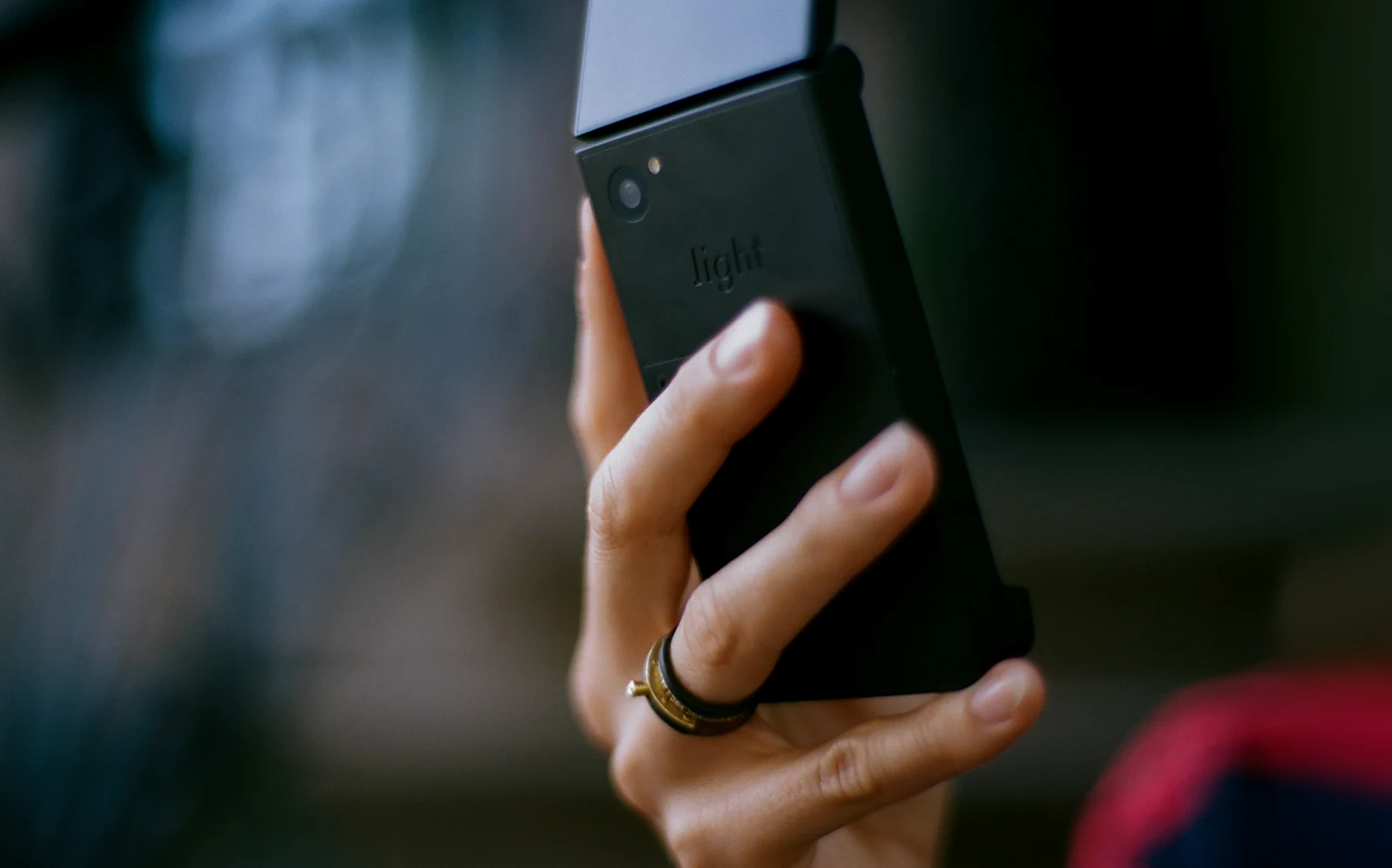
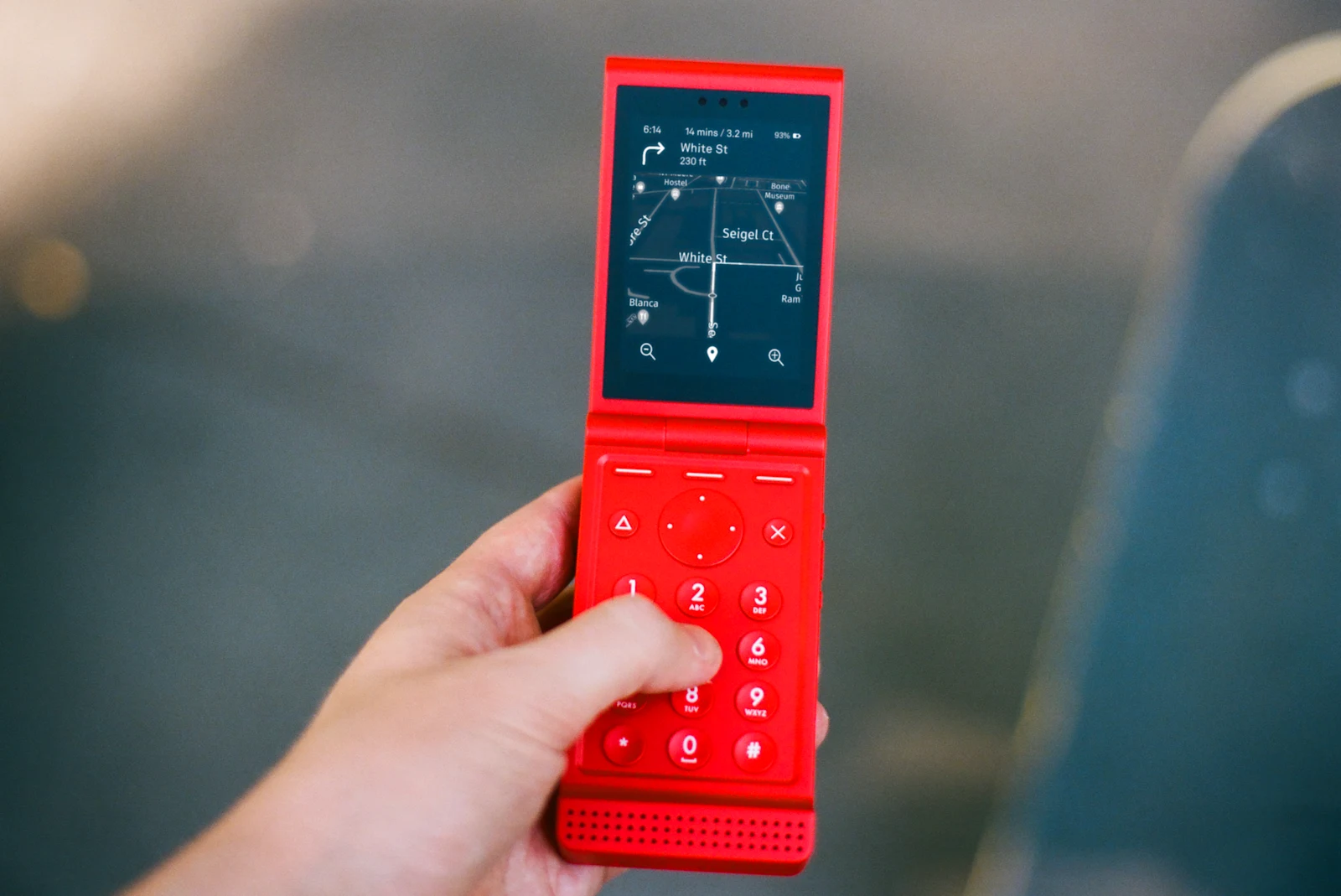
A Colorful Departure
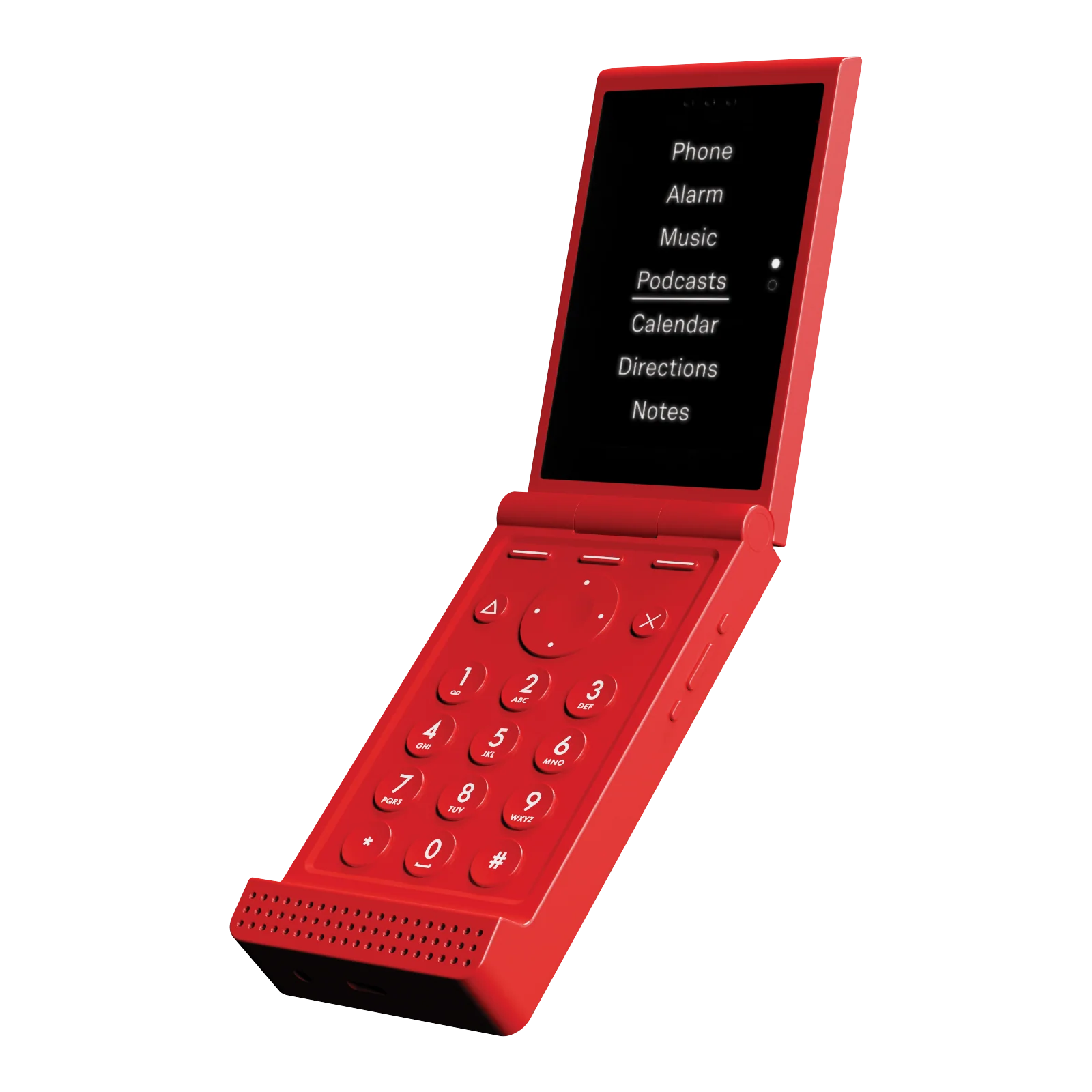
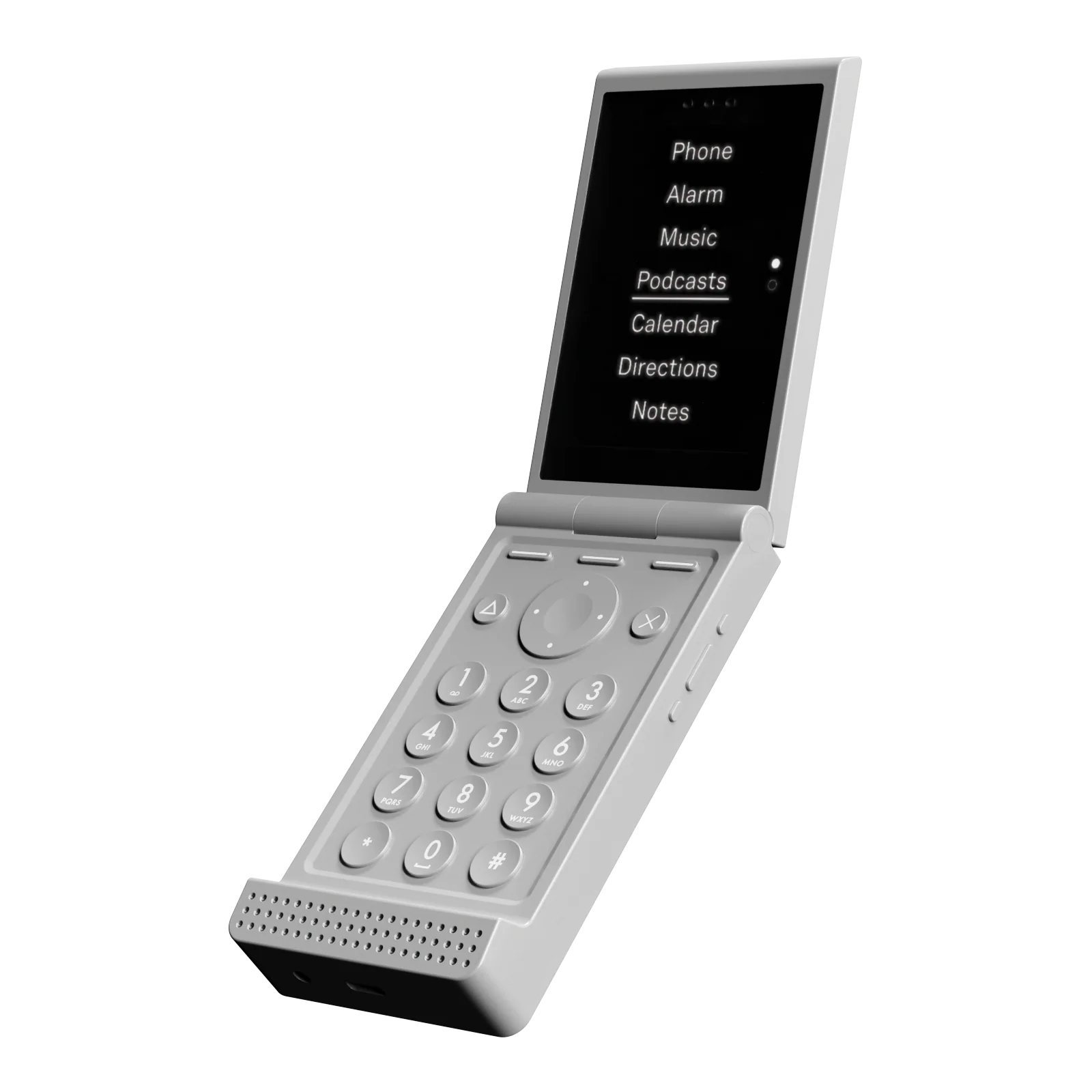
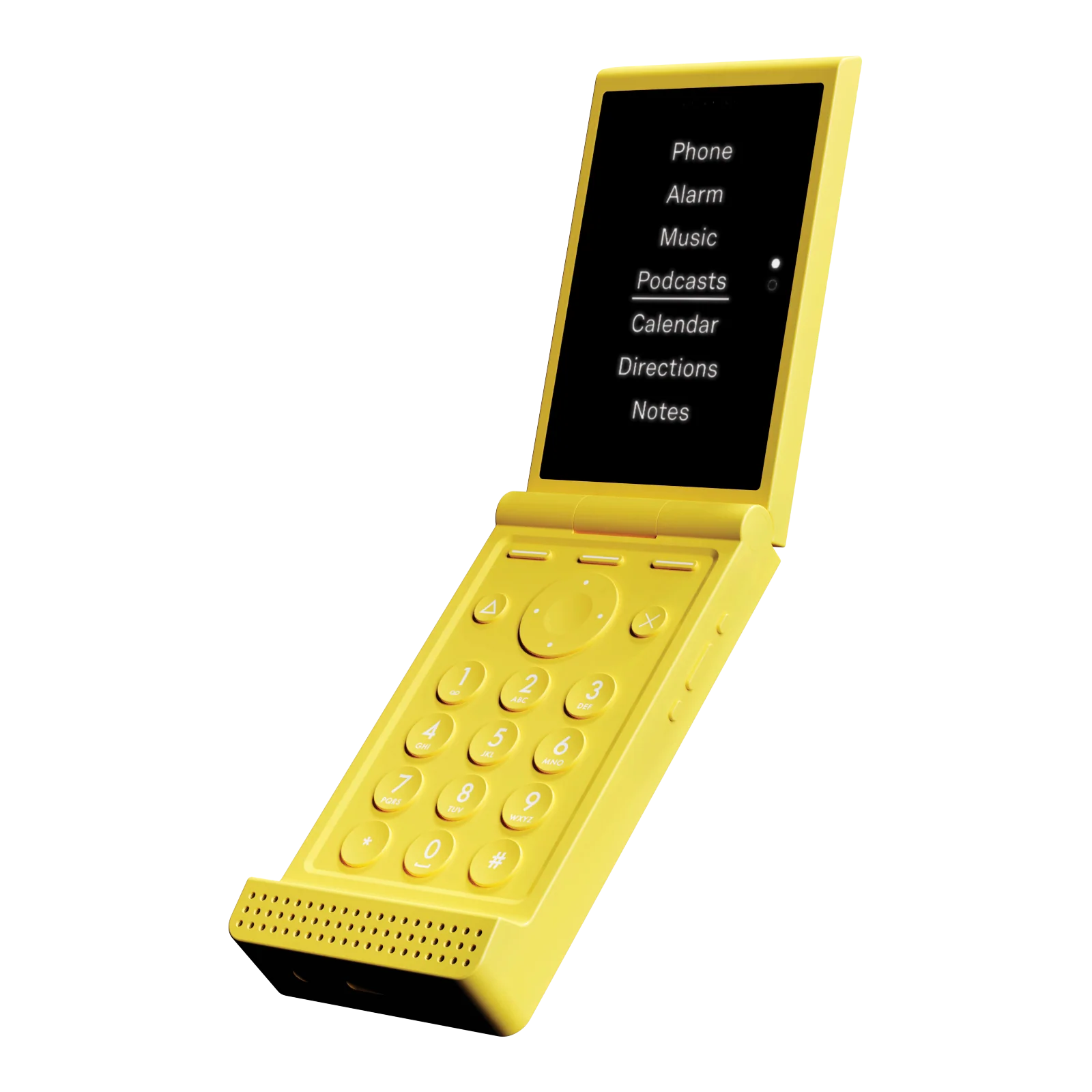
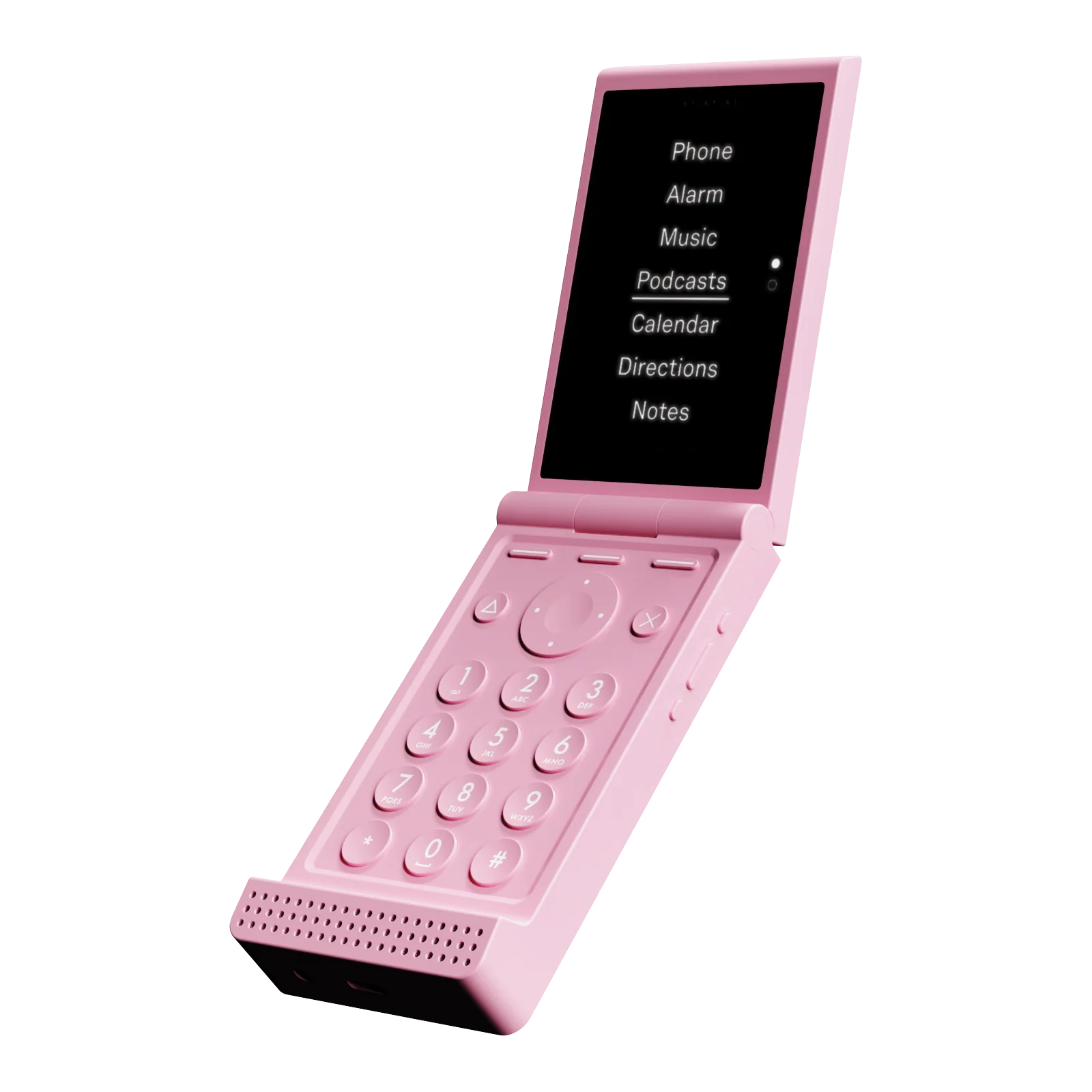
Where the Light Phone III comes only in black, the Flip will be available in six colors: black, navy, red, pink, yellow, and light gray. The palette is playful in a way that minimalist phones rarely are. For years, devices in this category tended toward austere, almost punitive aesthetics. The Flip feels different. Light co-founder Kaiwei Tang, who helped design the original Motorola Razr over two decades ago, clearly wanted this device to be something people would be proud to carry. The keychain loop on the body is a small touch, but it signals something about the company's intentions. This is meant to be visible, something you clip to your bag and show off.
The colors also suggest a shift in who Light is trying to reach. According to the company, the push toward a flip form factor came from interviews with younger users who had already adopted cheap flip phones as an anti-smartphone statement. Those users told Light they liked the social signal the devices sent, even if the build quality and software were often frustrating. Light is betting it can capture that market with better hardware and software support.
Old-School Interface, Modern Internals
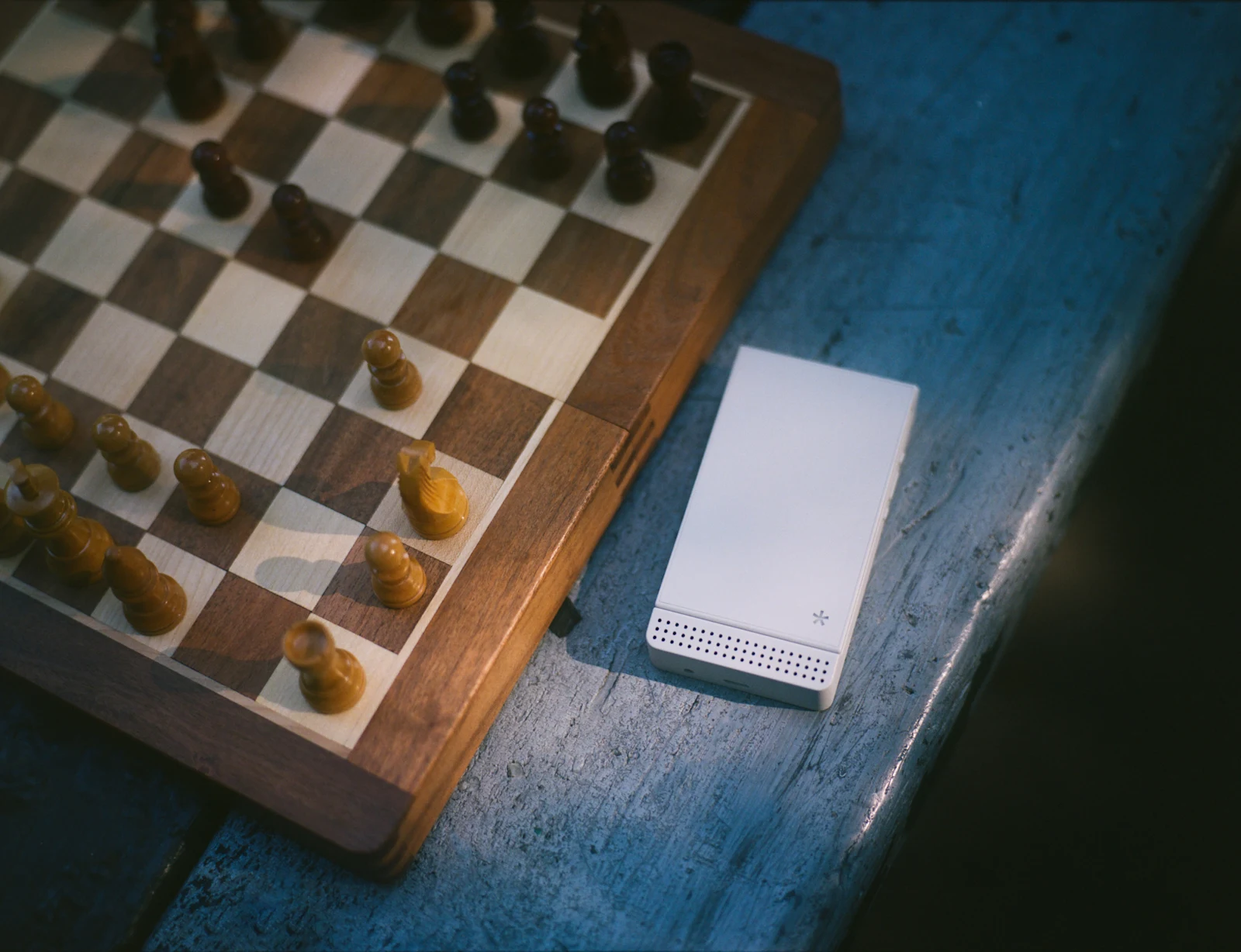
The Flip runs LightOS on a 2.8-inch matte OLED display with a 480×640 resolution. There's no external screen when the phone is closed. Instead, a notification light alerts you to incoming calls and messages. The 50-megapixel rear camera outputs 12-megapixel images. Inside, a MediaTek MT8873 chipset is paired with 6GB of RAM and 128GB of storage. The 1,800 mAh battery is removable, accessible behind a screw-down plate. Connectivity includes 5G, 4G LTE, nano SIM and eSIM support, Bluetooth 5.0, GPS, USB-C, and a 3.5mm headphone jack. The device weighs 160 grams folded and measures 110mm × 58mm × 19mm.
The software includes T9 predictive text, voice-to-text, audio messaging, directions, and a music player. Developer ecosystems matter, and Light's SDK program is now open for community-built tools. According to the company, more than 2,000 developers have expressed interest in building utilities like field recorders, alternate language keyboards, and local transit maps. All tools must meet Light's principles: no advertisements, no endless feeds.
Pricing and Availability
The Light Flip ships in April 2027. That's a long wait for a device announced today, though small manufacturers often need that lead time. The $299 price point is for an unlocked device. Alternatively, buyers can opt for the $39 monthly plan, which bundles the phone with Light's carrier service: unlimited voice and text plus 1GB of data per month. Given that the entire premise of a Light phone is reduced usage, that data cap probably won't matter to most buyers.
Meanwhile, the Light Phone III remains available at its current price, though the Light Phone II is being discontinued. The Flip effectively becomes the entry point to Light's product line.
The Bet
Light is making a wager that enough people are willing to pay real money to actively remove features from their lives. In a market where Apple and Samsung charge over $1,200 for flagships packed with AI tools many consumers didn't ask for, $299 for a device designed around constraint is an interesting counterpoint.
Whether the Flip succeeds depends on whether the market for intentional, distraction-free devices is real or just a vocal niche. Light's founders seem confident. Co-founder Tang compared the shift in attitudes toward smartphones to the cultural change around smoking. The company has also launched a biweekly newsletter called Flip Your Life, designed to help buyers prepare for what it calls a lifestyle change.
The Light Flip ships next April. Preorders are open now on the company's website.