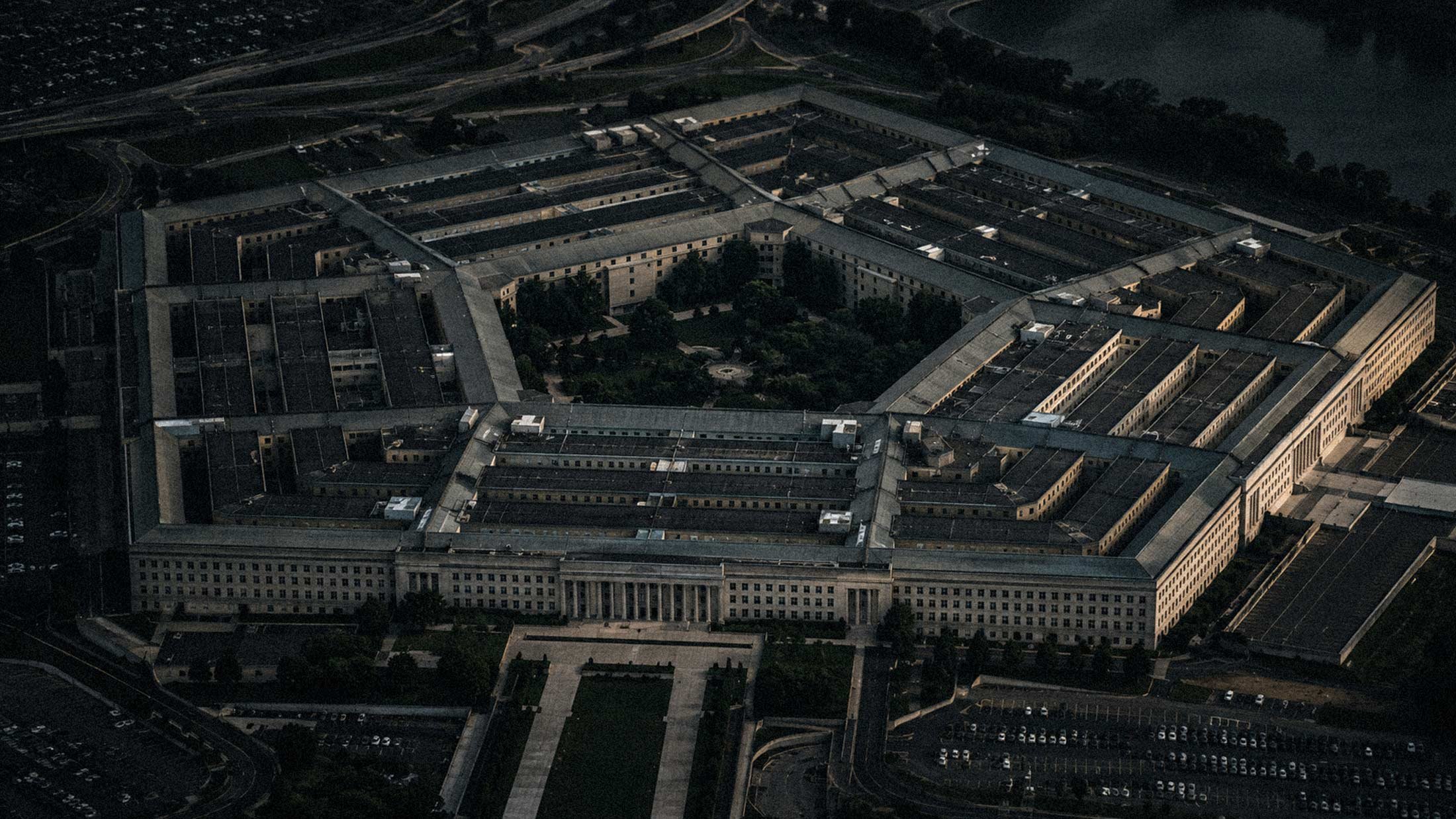
The National Security Agency's classified internal communications network is offline, CNN reported Tuesday, citing six people familiar with the situation. The system, known as NSA Net, allows employees at Fort Meade to exchange classified information within the agency.
Sources told the network there is no evidence of a cyberattack at this point. The NSA has not publicly commented on the outage.
Scope Unknown, Staff Arrivals Staggered
As the agency works to assess the problem, it has enacted staggered arrival times for personnel, the sources said. It remains unclear when the network went down, what caused it, or when it will be restored. It is also unknown whether the outage has affected the NSA's foreign signals intelligence collection or its cybersecurity mission.
A current and a former U.S. official told CNN the outage would not impact communications with President Donald Trump, who is currently in the Philippines and heading to China for talks with Xi Jinping and Vladimir Putin. Both described multiple redundancies and backup networks that the government could use to reach the president on Air Force One.
Five Days, Four Major Outages
The NSA disruption caps a week of infrastructure failures that have rattled markets and raised questions about the resilience of critical American systems.
Last Thursday, Microsoft experienced a global outage that locked millions out of Outlook, Teams, and other services. The company blamed "elevated load" but has not explained the root cause.
On Friday, the Federal Aviation Administration issued a nationwide ground stop, the second such halt since the September 11 attacks. All U.S. departures were held for more than four hours after air traffic control routers became overloaded with inconsistent data. Transportation Secretary Sean Duffy said the problem originated at an FAA site in El Dorado, Arkansas. That outage came just 72 hours after the agency expanded an AI-powered traffic management tool to all facilities.
Then on Monday, a software bug at JPMorgan Chase cascaded to other banks, leaving customers at Wells Fargo, Bank of America, Capital One, and others unable to log in or complete transactions. Chase said it was not cyber-related and that operations returned to normal by evening.
Mullin Points to Aging Infrastructure
Homeland Security Secretary Markwayne Mullin has repeatedly downplayed concerns that the outages represent a coordinated attack. "I can tell you 98% certainty this isn't a cyberattack," he told CNBC Tuesday morning.
His explanation: legacy systems buckling under new demands. "Some of the technology that they're pushing out there, they're pushing new technology on top of really old computer systems, and it just seems to overwhelm the system," Mullin said. "I believe we're going to see more of this as new technology rolls out."
Mullin has also floated the theory that artificial intelligence workloads are partly to blame. "It causes these systems to be overrun that weren't designed to run as fast as the SI technology is today," he told Fox News, citing a conversation with an unnamed technology executive.
That diagnosis offers cold comfort. If true, it suggests the federal government and private sector alike are running critical operations on infrastructure that cannot handle the software already deployed on it.
What Remains Unknown
The NSA is responsible for signals intelligence and cybersecurity across the U.S. government. Its internal communications carry some of the most sensitive information the country holds. Disruptions to NSA Net could affect coordination with other intelligence agencies, though no sources have confirmed operational impact.
Mullin described the week's outages as "individually unrelated." That may be technically true. But five major failures in five days, all traced to equipment strain and legacy fragility, describe a single underlying condition. No one breached the perimeter. The infrastructure itself is the vulnerability.
CNN said it had asked the NSA for comment. As of publication, the agency had not responded.