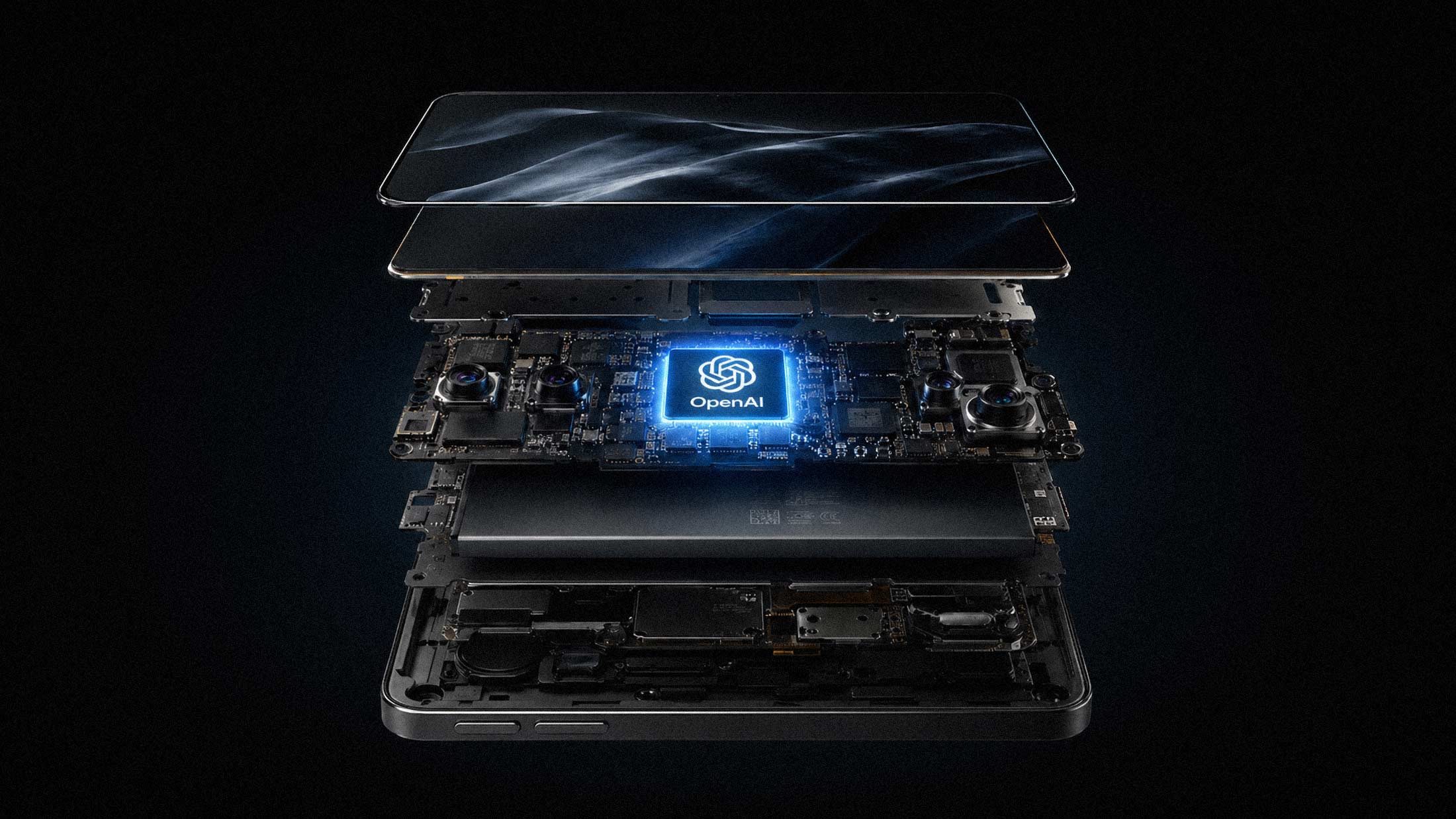
OpenAI appears to be building a smartphone designed to make apps extinct. According to supply-chain analyst Ming-Chi Kuo of TF International Securities, the company is developing custom smartphone processors with Qualcomm and MediaTek, with Chinese manufacturer Luxshare handling system co-design and manufacturing. Mass production is reportedly targeted for 2028.
The project, if real, represents OpenAI's most aggressive hardware bet yet. The device would not simply feature a chatbot icon on the home screen. The reported design eliminates apps entirely, replacing them with AI agents that handle tasks directly. As Kuo put it: "Only by fully controlling both the operating system and hardware can OpenAI deliver a comprehensive AI agent service."
The Architecture
According to Kuo's analysis, the chip would process lighter tasks on-device, including context awareness, memory management, and smaller AI models, while offloading complex inference to the cloud. The device would maintain what Kuo calls "full real-time state," continuously capturing a user's location, activity, communication, and environmental context to feed the agents.
Power consumption, memory hierarchy management, and basic small-model execution are the key processor design considerations, according to reports. This tracks with Qualcomm CEO Cristiano Amon's stated vision throughout 2026: that AI agents will replace the mobile operating system and apps as the primary interaction layer, requiring hardware designed from scratch for continuous, power-efficient AI inference.
The supply chain numbers are striking. Kuo projects 300 to 400 million annual shipments if the device succeeds, a figure that would rival Apple's iPhone volumes.
Leapfrogging Apple and Google
Both Apple and Google have been working to add AI capabilities to their phones, but neither has proposed eliminating apps altogether. Apple's upgraded Siri, delayed multiple times, is expected to launch in early 2026 as part of iOS 26.4. Apple software chief Craig Federighi admitted the company's first-generation architecture was too limited and had to be rebuilt using large language models.
Google, meanwhile, is expanding Gemini across Android with features like automated task execution in ride-sharing, grocery, and food apps on the Galaxy S26 series. Samsung plans to reach 800 million Gemini-powered devices in 2026. But these are incremental additions to an app-centric model, not a replacement of it.
The OpenAI approach is different. Instead of opening a travel app, calendar app, and rideshare app separately, a user would tell the phone what they want. The agent handles the rest. That vision, Kuo argues, requires owning both the silicon and the operating system.
Two Parallel Hardware Bets
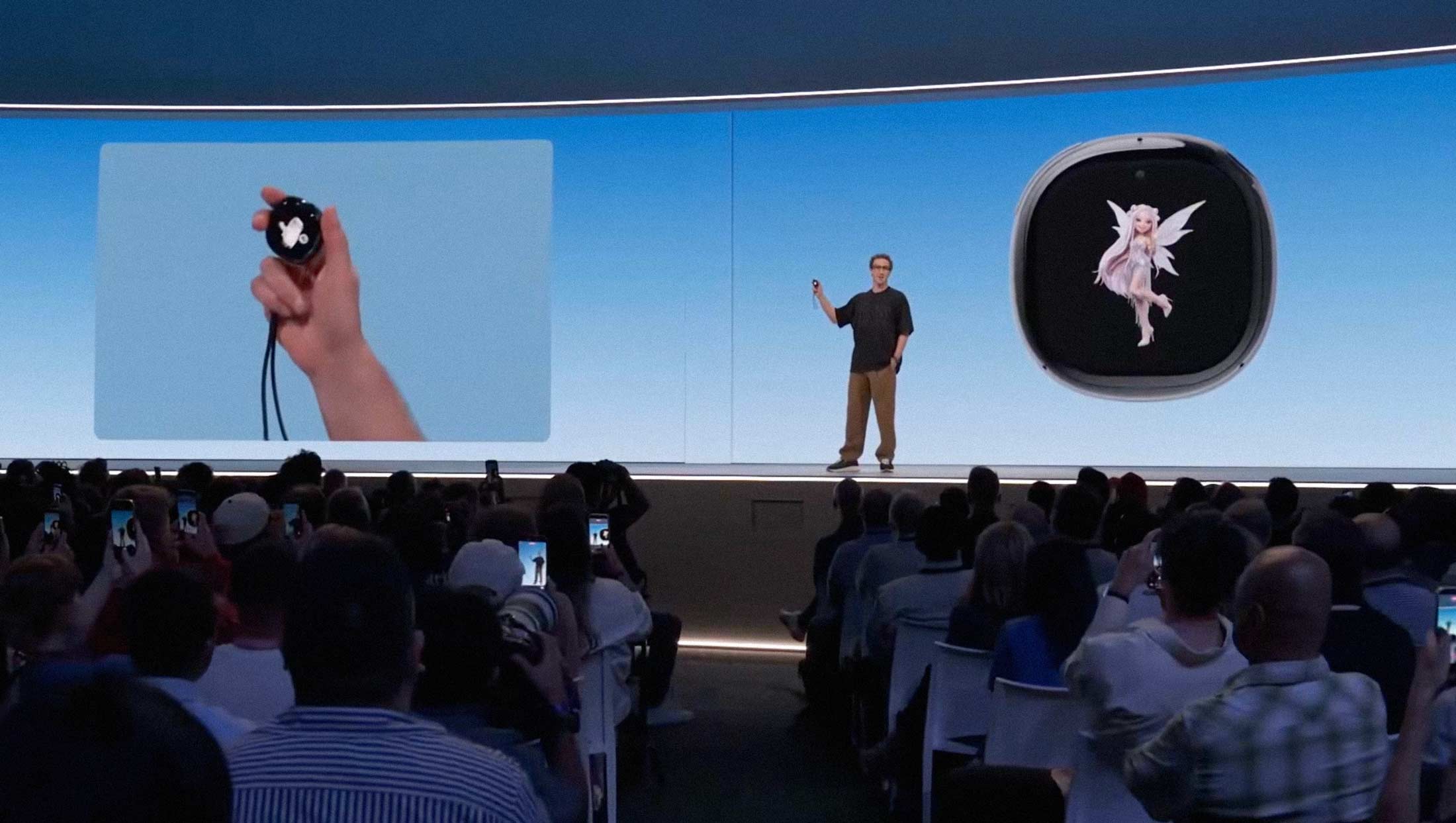
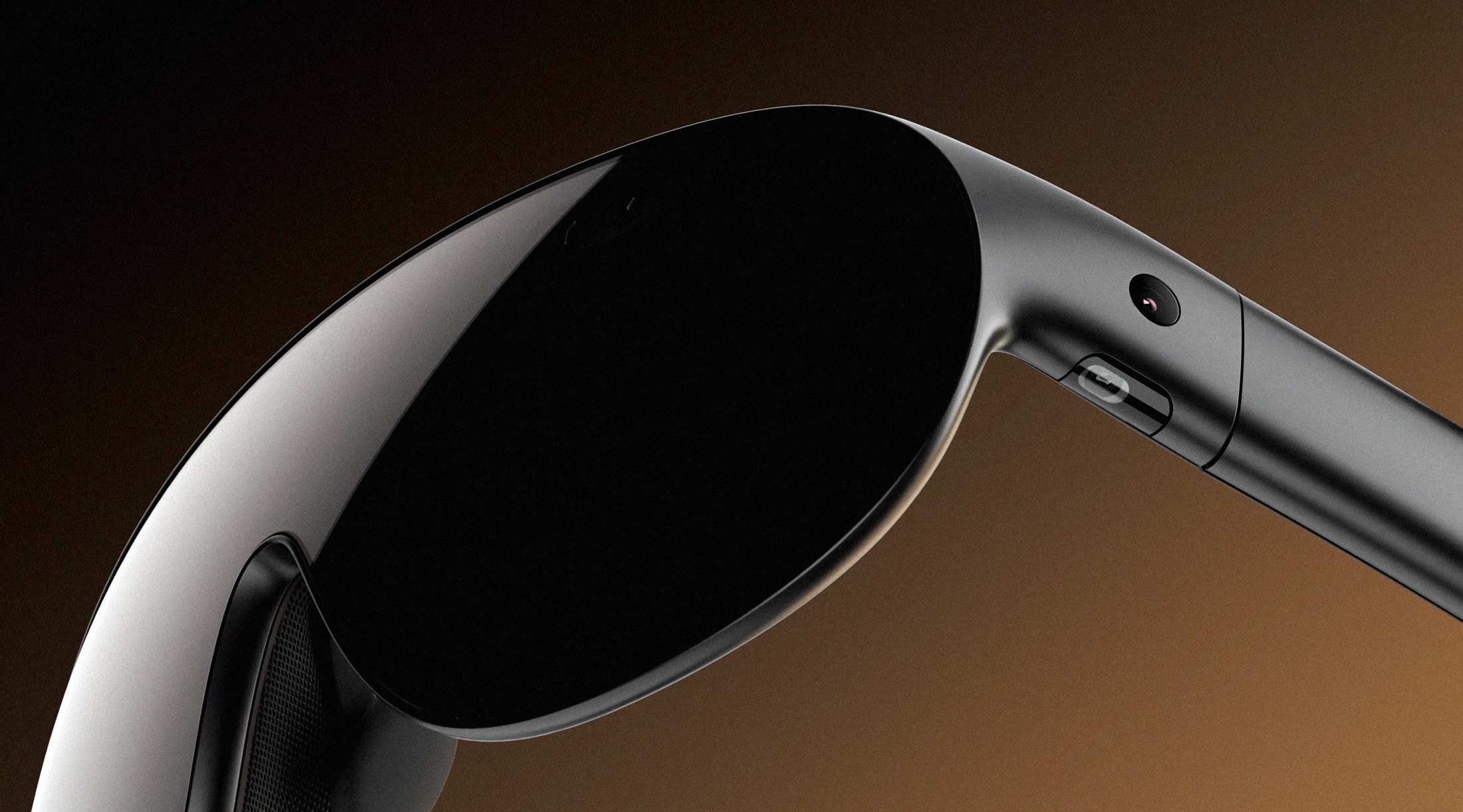
This smartphone initiative is separate from OpenAI's other hardware project with Jony Ive. OpenAI acquired Ive's startup io for $6.4 billion in May 2025, bringing the former Apple design chief into the company. That project is reportedly focused on a non-phone wearable, with the first products expected in the second half of 2026.
The smartphone chip initiative, by contrast, is a multi-year program with a 2028 timeline. The supply chain already exists: Luxshare assembles AirPods, Apple Watch components, and an increasing share of iPhones. MediaTek completed tape-out of its first 2nm flagship SoC in late 2025. Qualcomm's Snapdragon 8 Elite Gen 5 powers 75% of Samsung's Galaxy S26 series.
None of the companies have confirmed the partnership. Qualcomm, OpenAI, and MediaTek did not respond to requests for comment from multiple outlets. But the market reacted anyway: Qualcomm shares surged as much as 13% in premarket trading on Kuo's report.
Why This Might Work. Or Fail.
No new smartphone platform has succeeded since Android and iOS. OpenAI lacks the carrier relationships, distribution infrastructure, and manufacturing experience that Apple and Samsung have built over decades. Previous AI hardware efforts, including Humane's AI Pin and the Rabbit R1, flopped commercially.
But OpenAI has something those startups did not: over 900 million weekly active ChatGPT users, according to the company. That gives it an existing audience already habituated to AI-first interaction. Whether that translates to hardware adoption is another question.
The company also faces internal challenges. In March, then-head of applications Fidji Simo told staff to reduce fragmentation across projects. OpenAI subsequently shut down its Sora consumer video app and folded its OpenAI for Science unit. Building a smartphone at iPhone-scale volumes while managing its core AI model business and the io wearable project simultaneously will strain organizational capacity.
Specifications and suppliers are expected to be finalized by late 2026 or early 2027. The Sweetpea earbuds, scheduled for September 2026, will be the first public test of whether OpenAI can ship consumer hardware on time. That result may determine whether MediaTek, Qualcomm, and Luxshare commit final production capacity to the smartphone program.