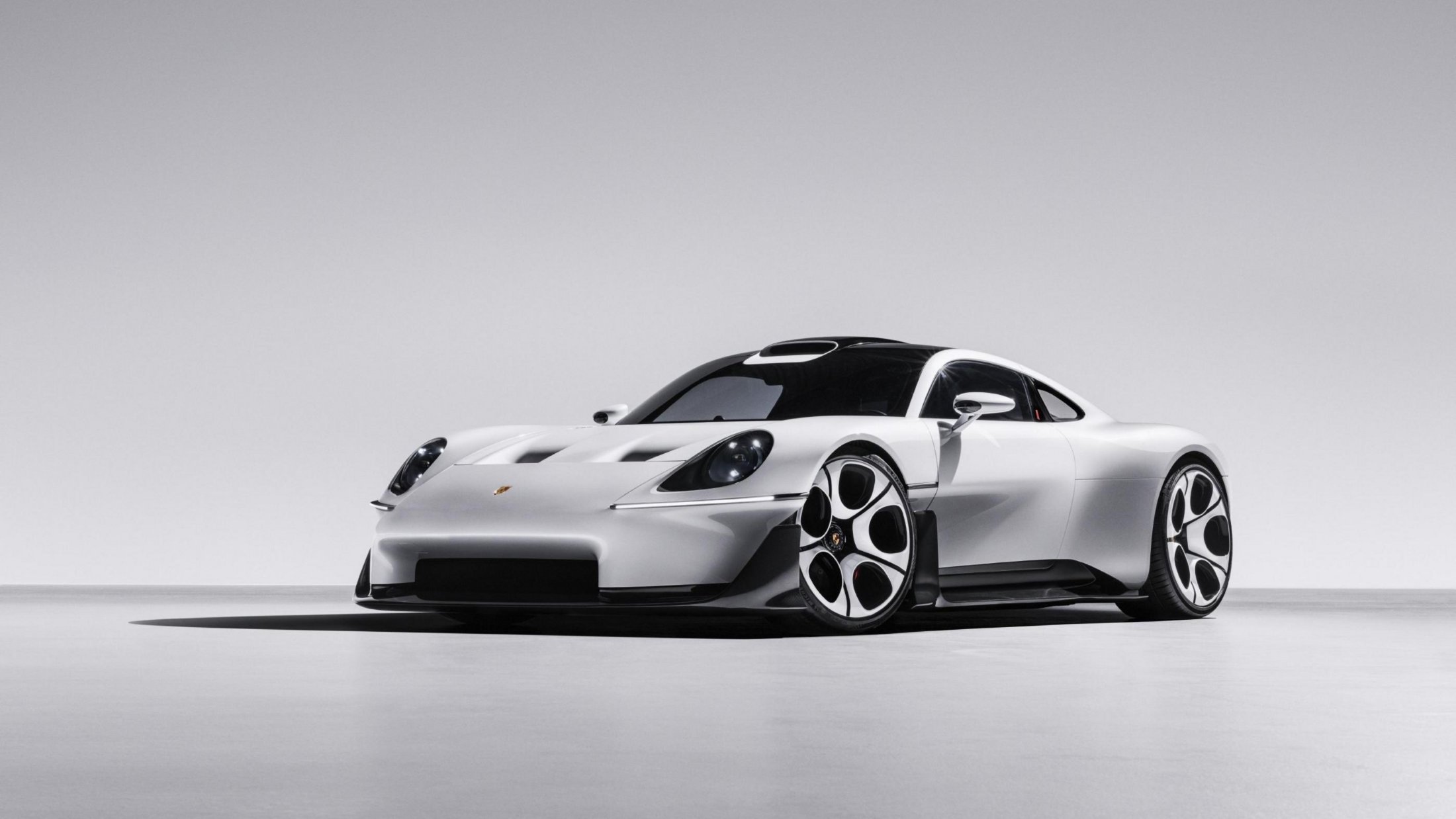
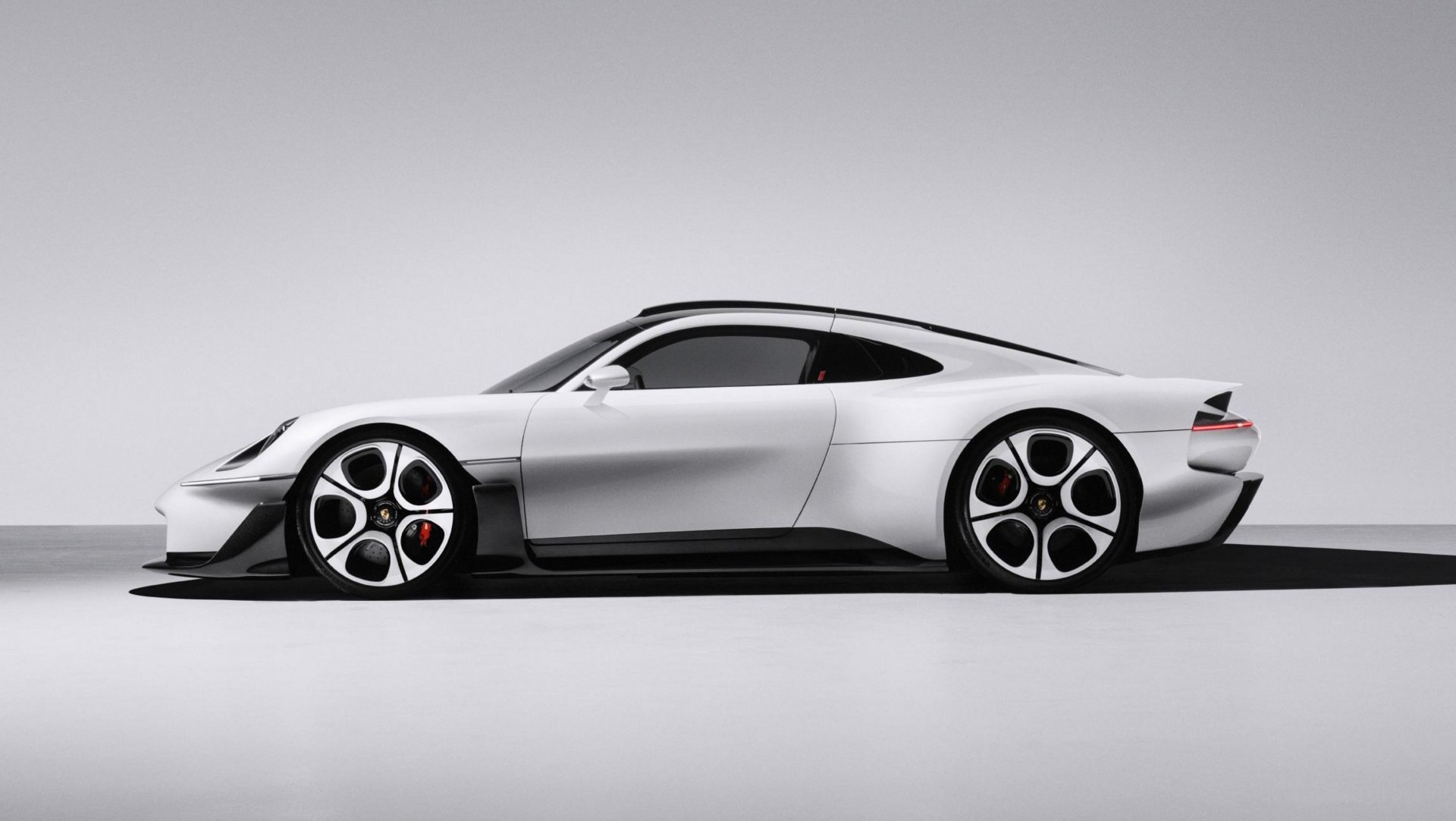
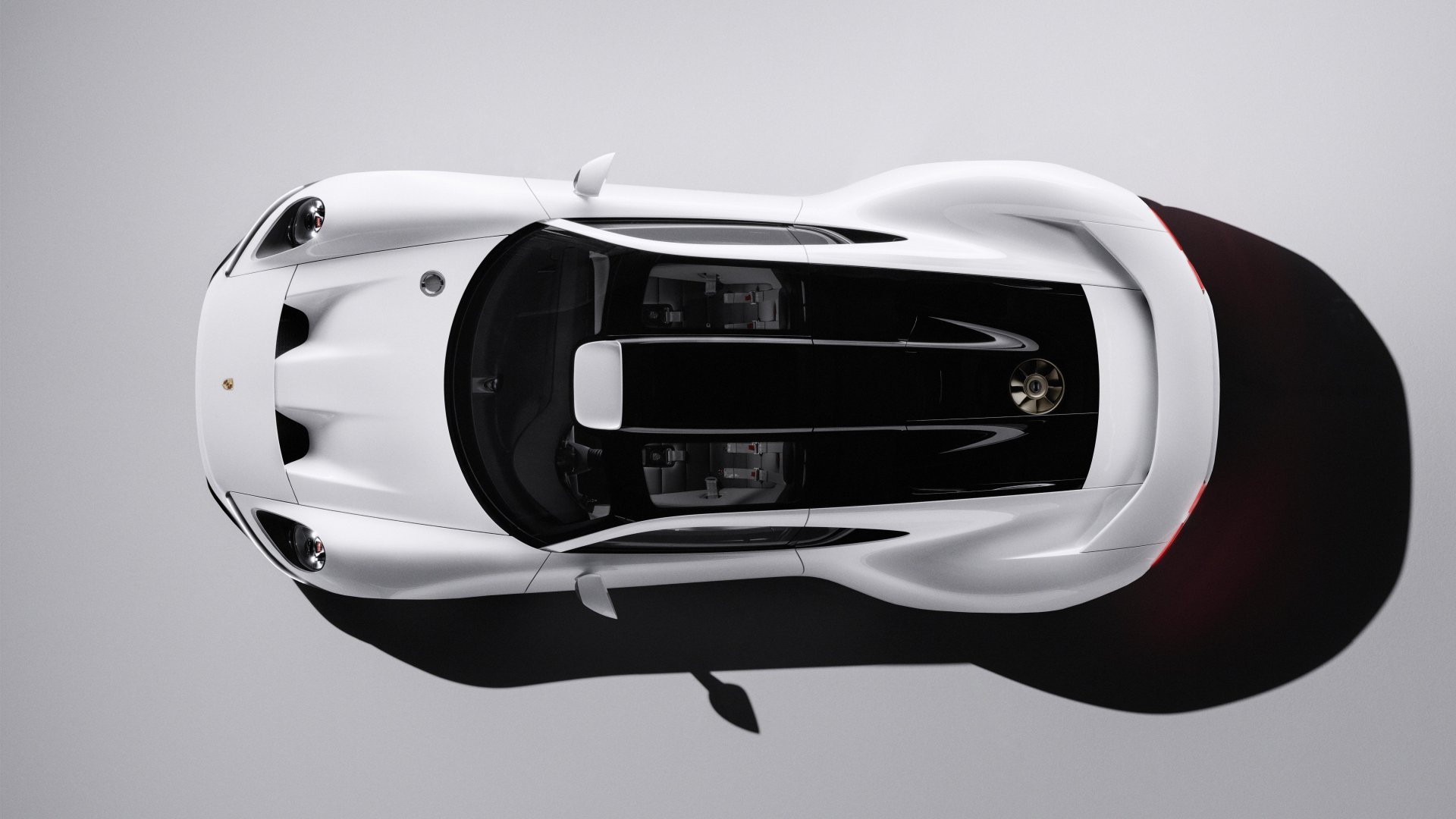
Porsche unveiled the Mission S in New York on October 15, a vision model the company describes as a first glimpse of its evolved design identity. The mid-engined concept previews a production supercar that will sit above the 911 in Porsche's lineup. According to CEO Dr. Michael Leiters, the vehicle will be "a permanent and versatile addition to our customer offering."
That last phrase matters. The Carrera GT was a limited run. So was the 918 Spyder. The Mission S is meant to be different: a continuously available flagship rather than a numbered hypercar that appreciates into collector territory the moment the production line shuts down.
What Happened to the Mission X
In 2023, Porsche introduced the Mission X, an all-electric hypercar concept designed to set the Nürburgring lap record for road-legal cars. That project has evidently stalled. CarScoops reported that the Mission X "was launched at a poor time, just as interest in high-performance electric exotics started to decline." Meanwhile, Ferrari and McLaren unveiled hybrid hypercars in 2024, and Porsche's all-electric gambit looked increasingly out of step with where the market was heading.
The Mission S is the course correction. While Porsche has not confirmed the powertrain, the company has stated the car can offer gasoline or hybrid powertrains, along with manual or automatic transmissions. Rumors point to a new flat-eight engine, though nothing has been verified.
No Center Screen
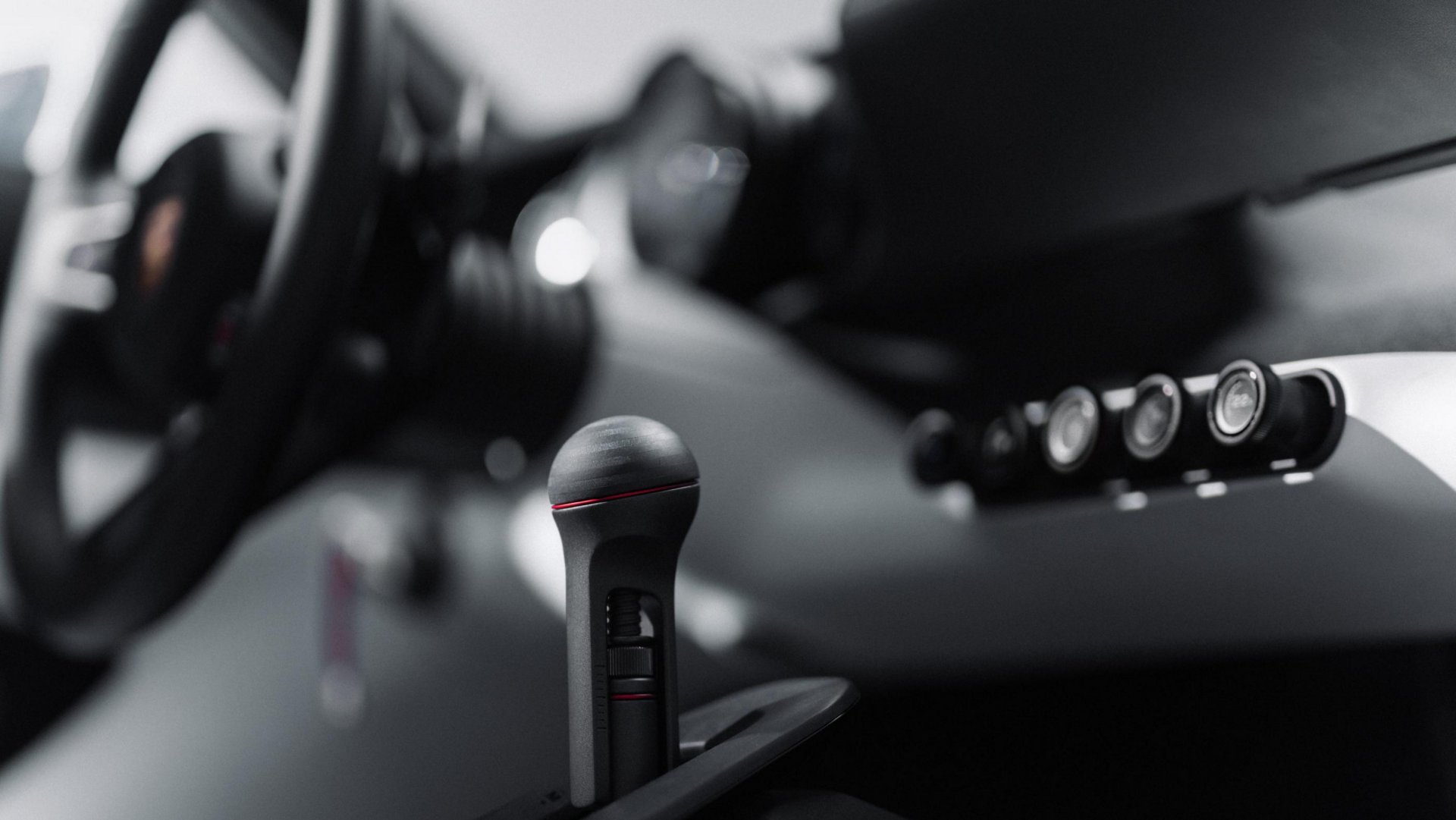
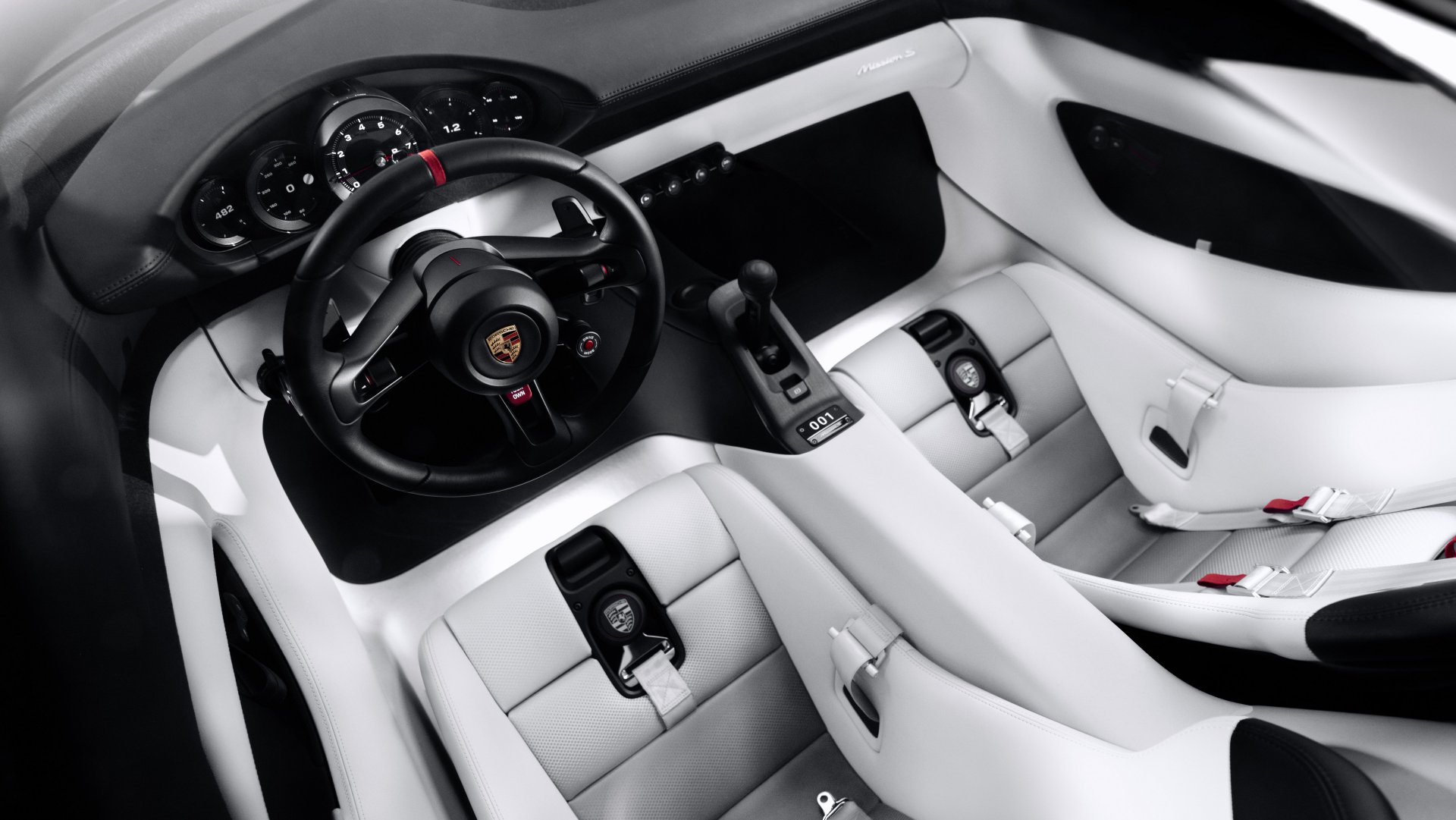
The interior is the most revealing part of the concept. Porsche has removed the fixed center touchscreen entirely. In its place: a retractable MagSafe-compatible smartphone holder that lets the driver use their own phone for navigation. The company calls it "an ideal symbiosis of analogue and digital controls."
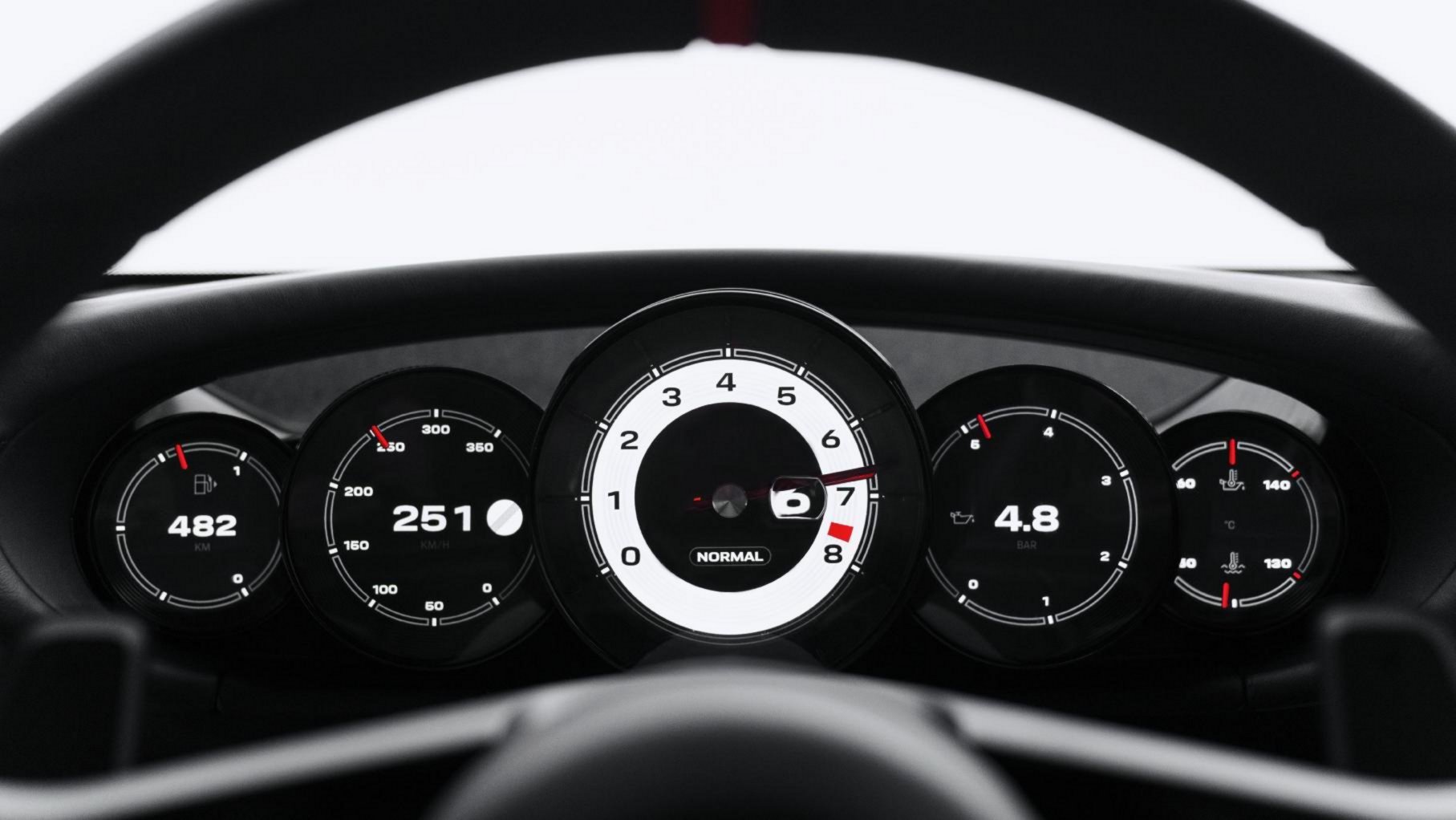
Five round gauges sit behind the steering wheel, with the central tachometer featuring a physical needle backed by a digital display. In certain driving modes, the instruments physically move closer to the driver. A red steering-wheel button labeled "On your own" deactivates all driver assistance systems.
The cabin draws from the 550 Spyder and 356, with two defining lines running through the dashboard that place the driver low in the cockpit. Seatbelt buckles are integrated into the center panel. Door handles are racing-style pull straps. It is, by any measure, a rejection of the iPad-on-wheels trend that has dominated the last decade of automotive interiors.
A Company in Transition
The Mission S arrives one week after Porsche's Capital Markets Day, where the company outlined a strategy called Sportwagenschmiede '35. The plan targets higher margins through fewer model variants, reduced production costs, and a shift toward higher-value products. The company aims to cut model variants by roughly 20 percent and reduce development costs for future platforms by up to 20 percent. A workforce reduction of around 9,000 jobs is part of the restructuring.
Porsche's operating return on sales fell to 1.1 percent in 2025 before recovering to 7.8 percent in the first half of 2026, according to figures cited by Autocar Pro. China sales have more than halved from their 2021 peak. The strategy is a response to these pressures: fewer cars, sold at higher prices, to customers who want exclusivity over volume.
During the Capital Markets Day, Leiters made a statement that surprised no one who has followed the company's recent moves: "The 911 will never be fully electric." That line, combined with the Mission S reveal, signals a Porsche that is backing away from a full-electric future and doubling down on internal combustion as a core part of its identity through 2035.
What the Design Says
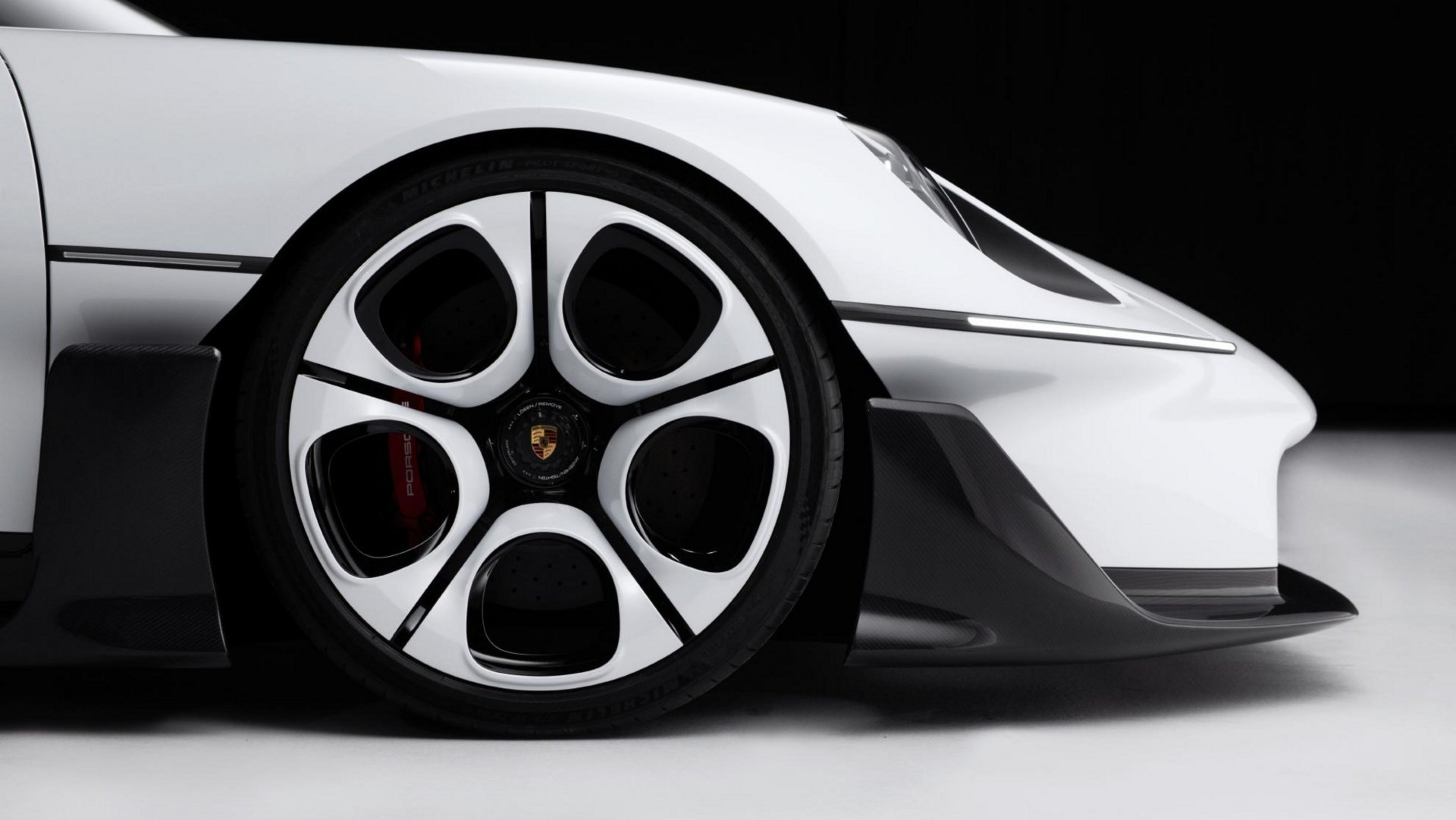
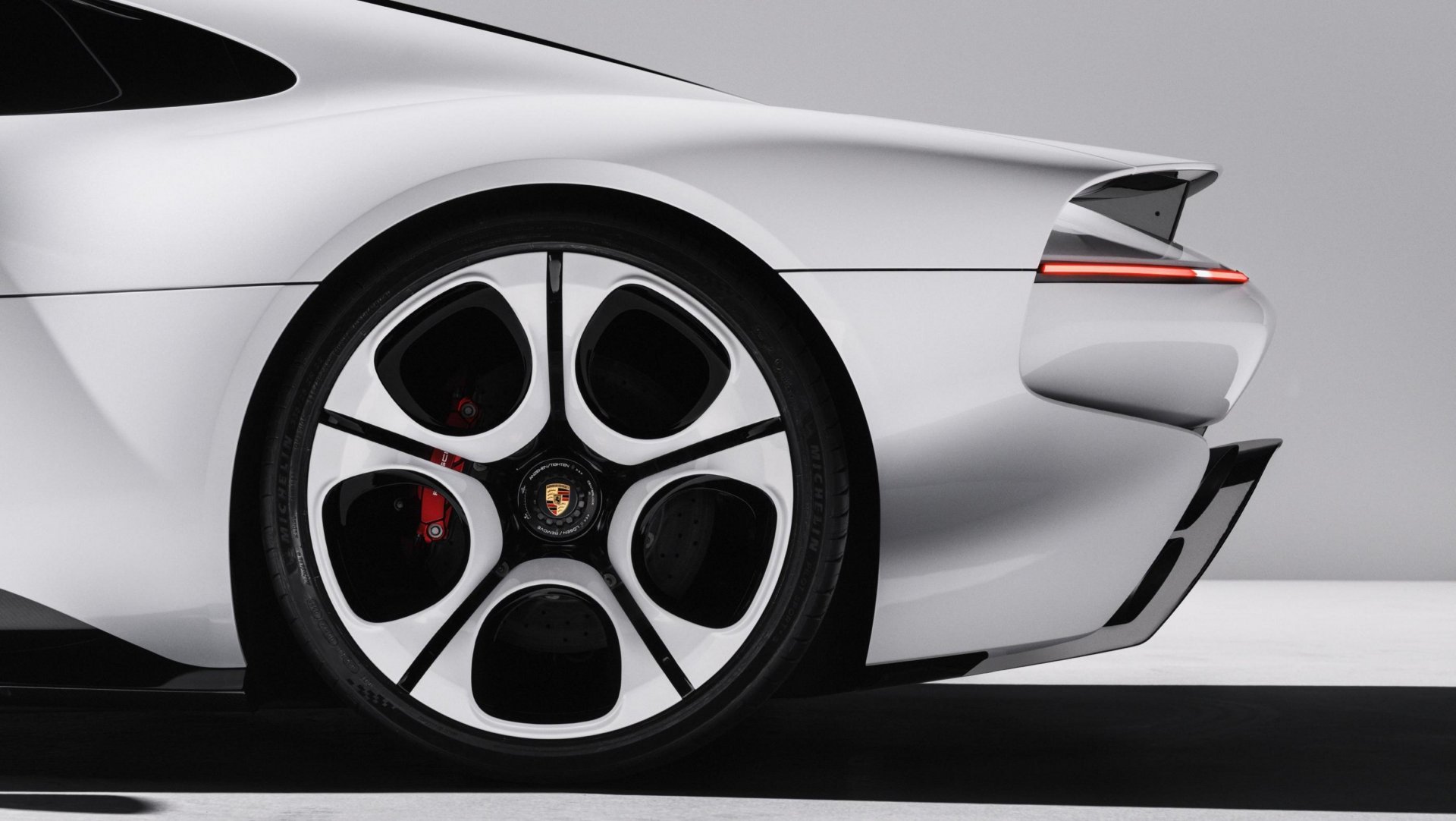
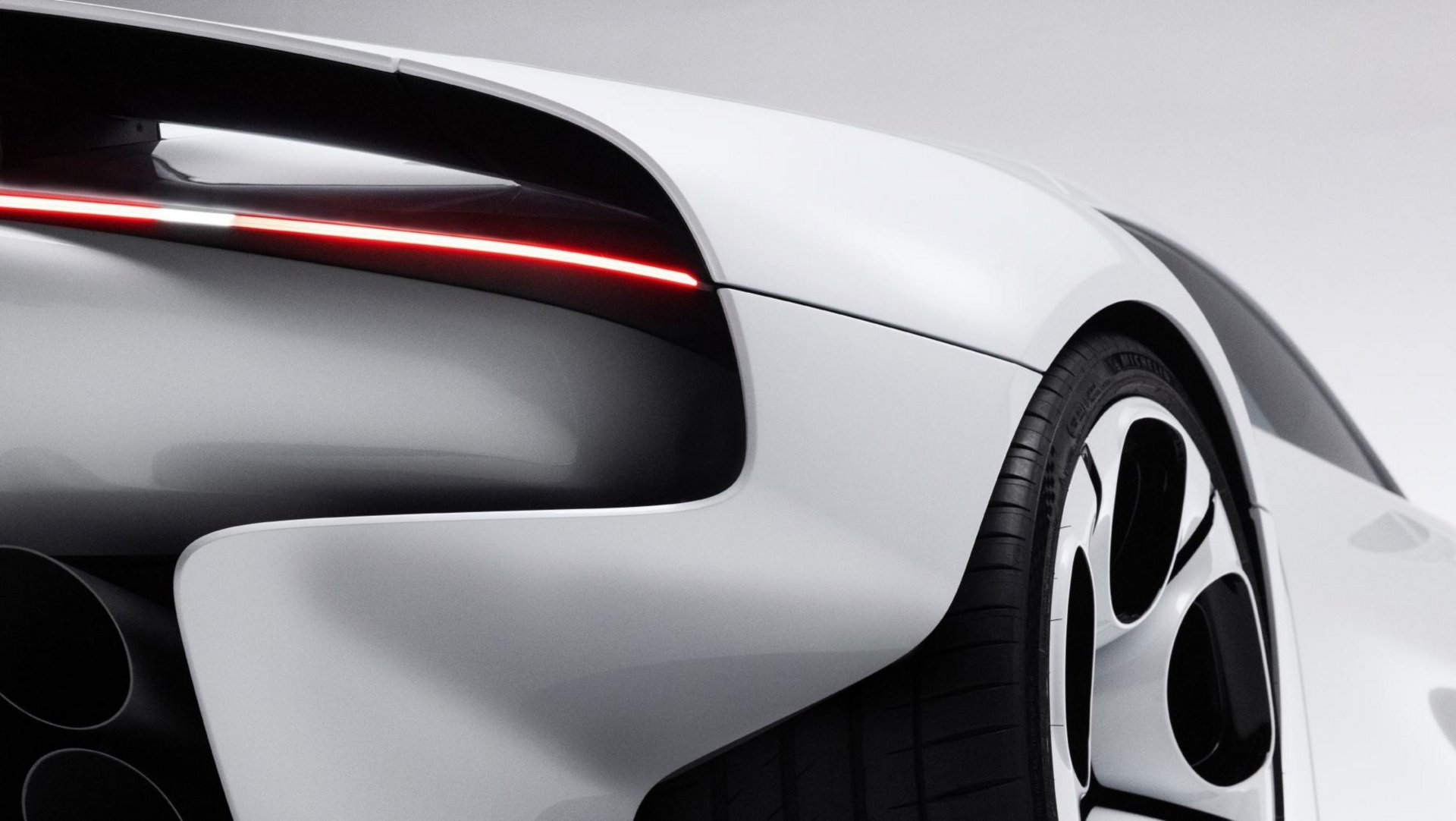
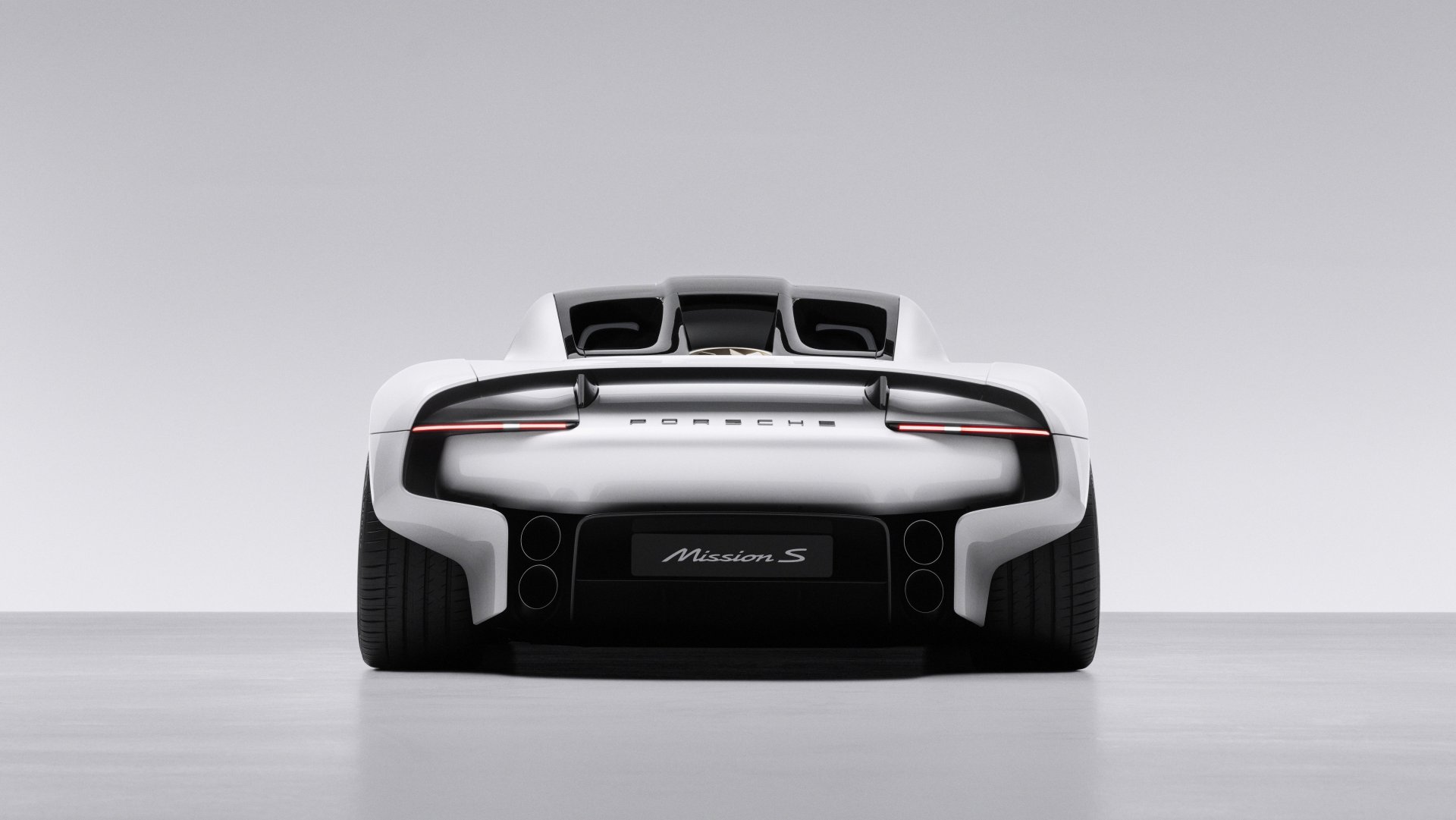
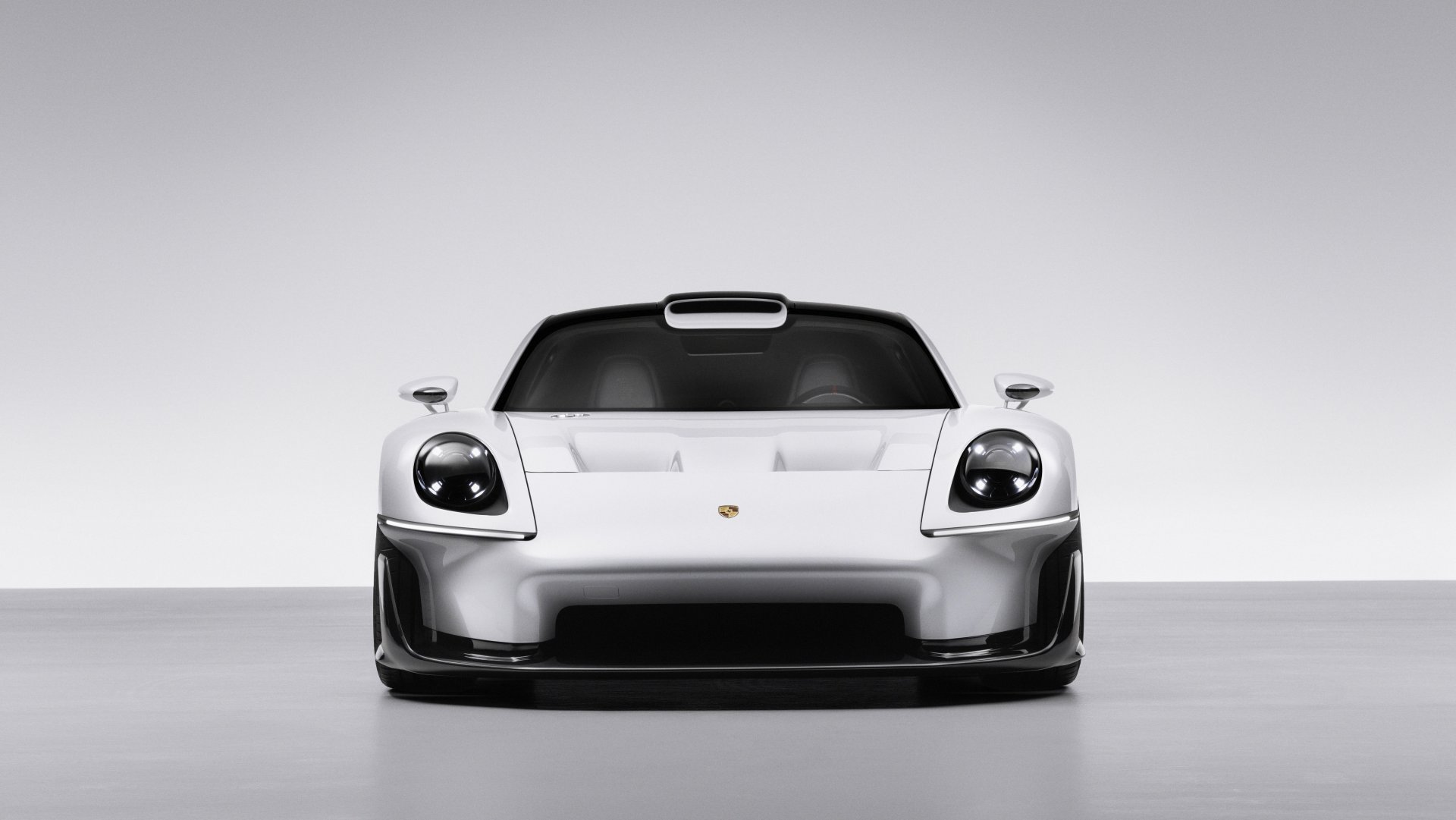
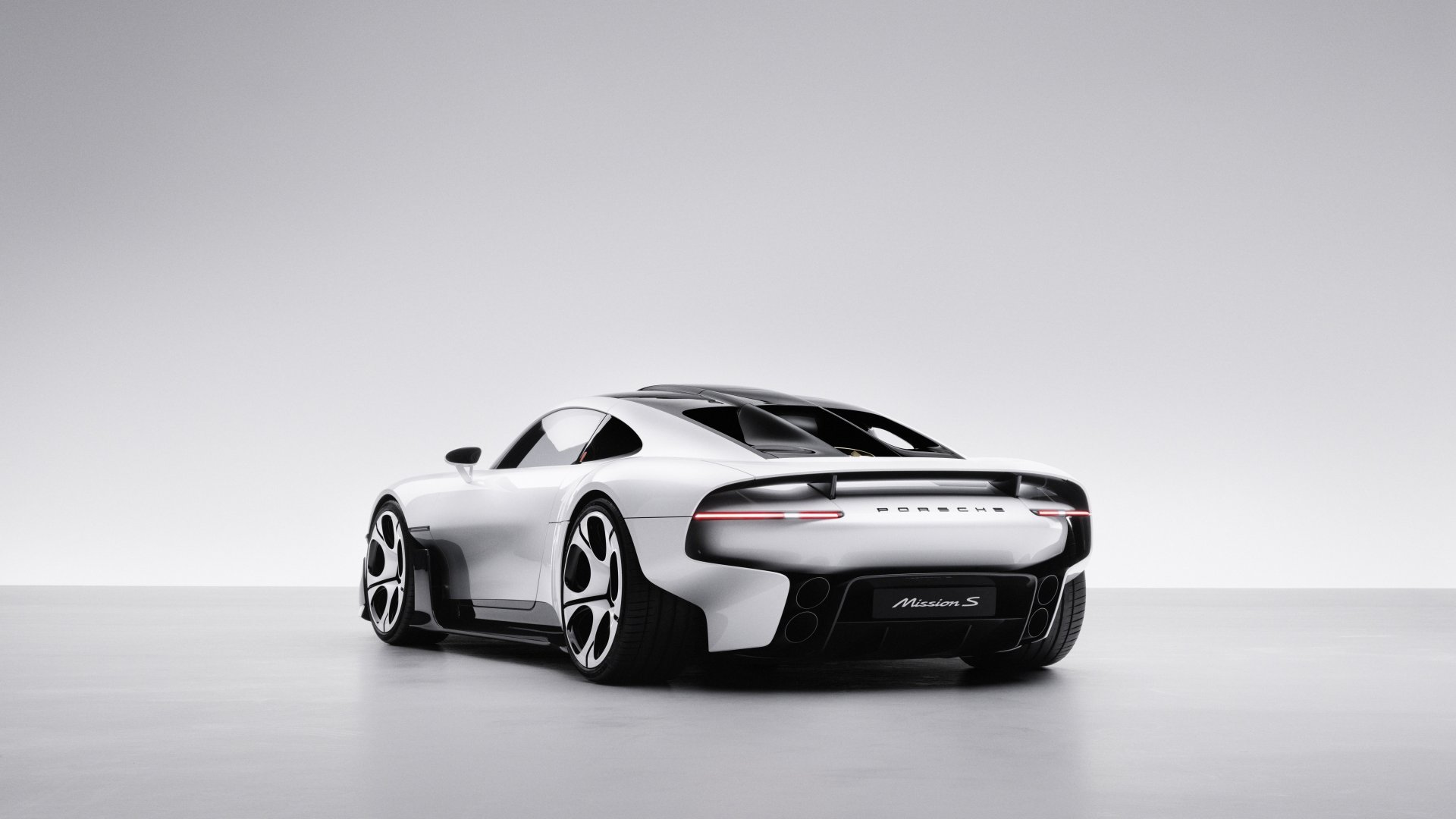
The exterior references nearly every significant Porsche supercar and race car of the past four decades. The front draws from the 911 GT1, with torpedo-style fenders and a large central intake. The rear features a visible cooling fan inspired by the 917's radiator fan, stacked quad exhausts, and a rear wing that integrates into the bodywork. The wheels reference the 928's dial design.
Porsche has not disclosed pricing, production timelines, or final technical specifications. What Car estimates a price around £220,000 and a potential launch in spring 2027, though neither figure has been confirmed by the company.
The Mission S is a statement vehicle, but the statement is not about speed or lap times. It is about what kind of company Porsche intends to be: smaller, more exclusive, and less dependent on the technology bets that defined its strategy just a few years ago.