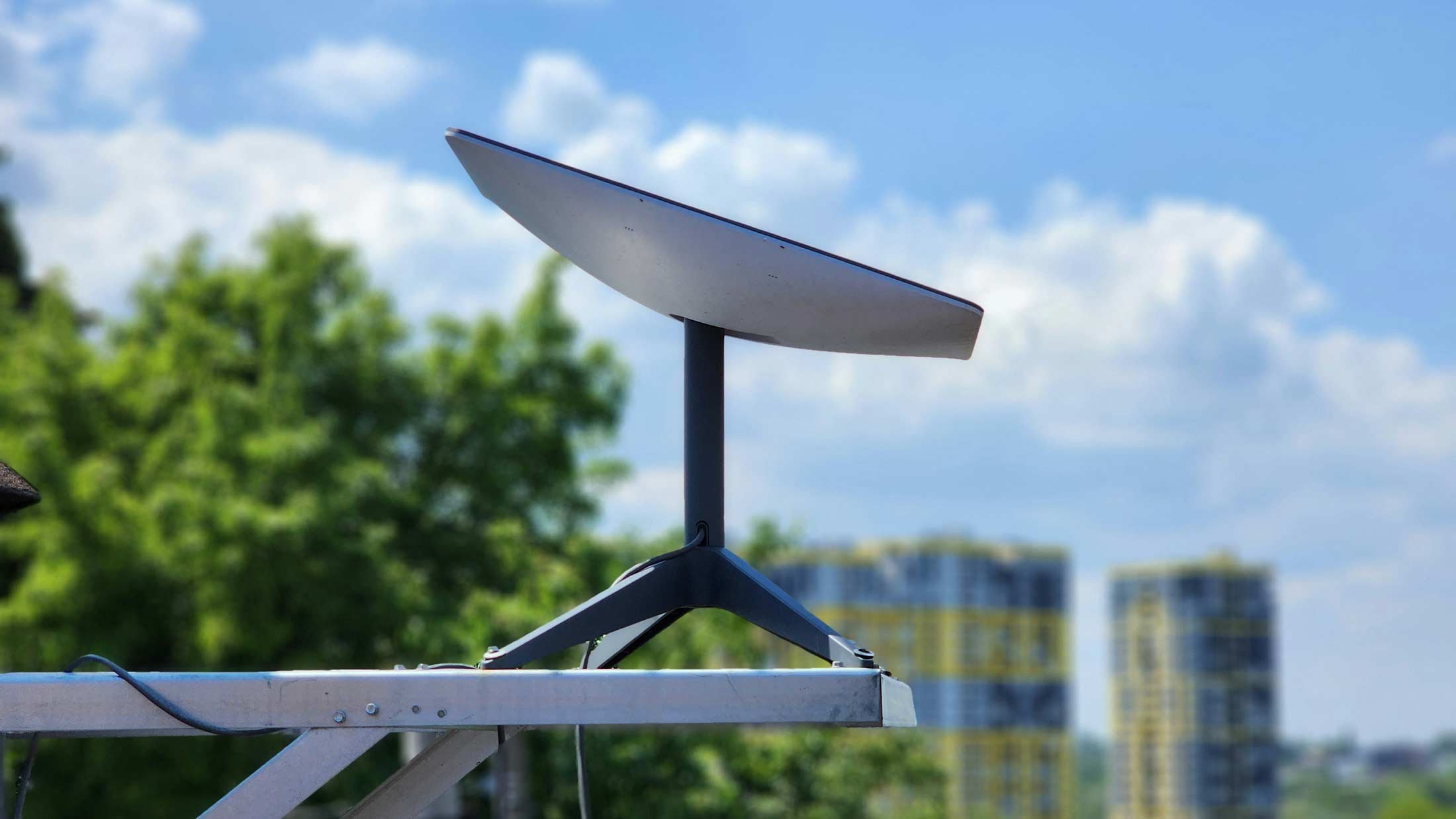
SpaceX and the Pentagon are both pushing back against a Washington Post report alleging that Iranian forces used Starlink satellite internet to coordinate military operations against American troops during the opening weeks of the Iran war.
The Post published its story on November 28, citing four people familiar with the operations and two sources described as familiar with internal SpaceX discussions. According to the report, a classified briefing prepared for Defense Secretary Pete Hegseth described Iran turning to Starlink for command-and-control communications and to oversee one-way attack drone operations after U.S. strikes degraded Tehran's conventional communications infrastructure.
SpaceX responded on X within hours, calling the story "patently false" and demanding a retraction. The company said it had warned the Post weeks earlier that its reporting was inaccurate and accused the newspaper of publishing a "hit piece" despite those objections. SpaceX stated it has "no evidence either internally or from the Pentagon that Starlink was used by Iranian forces."
Pentagon Says No Record Exists
Chief Pentagon spokesman Sean Parnell echoed SpaceX's denial. In a post on X, Parnell said the Department of Defense has "no record" of a Central Command report on the subject being sent to Hegseth's office. He added that officials had communicated this to the Washington Post before publication, "but they published anyway."
Earlier, Pentagon spokeswoman Kingsley Wilson told the Post that she was "not aware of the existence" of such a report. Wilson declined to comment on whether Iranian forces had used Starlink more broadly, including during a March 1 drone strike on Port Shuaiba in Kuwait that killed six American service members.
The Post's reporting raises questions that neither SpaceX nor the Pentagon addressed directly. If Iranian forces did obtain unauthorized access to Starlink terminals, it would represent a significant security failure for a network that serves both civilian customers and, through its Starshield variant, the U.S. military. Starlink is not licensed to operate in Iran, though Musk has previously acknowledged the service is active there. The U.S. government covertly smuggled thousands of terminals into the country to support Iranian dissidents, according to earlier reporting by The Wall Street Journal.
A Parallel Dispute Over Military Pricing
The Post story also touched on a separate friction point between SpaceX and the Pentagon. According to the report, Musk was angered to learn the U.S. military had been flying LUCAS one-way attack drones on Starshield using a cheaper subscription tier meant for ground operations. Reuters reported in May that SpaceX told the Pentagon it had been paying roughly $5,000 per terminal when the appropriate pricing for aircraft use was closer to $25,000 a month.
Musk posted in March that using commercial Starlink terminals in weapons systems is "a violation of commercial Starlink terms of service" and that such use is shut down when discovered. That statement came in response to Russian claims about U.S. drone operations, not the Iranian allegations now in dispute.
Neither Iran nor SpaceX provided on-the-record comment to multiple outlets before the Post published. The dispute over the report's accuracy remains unresolved, with the Post standing by its sourcing and SpaceX maintaining the story is fabricated. Congressional scrutiny of Starlink's role in conflict zones has intensified this month, with at least one Democratic lawmaker threatening to withhold government funding if questions about the network's military use go unanswered.