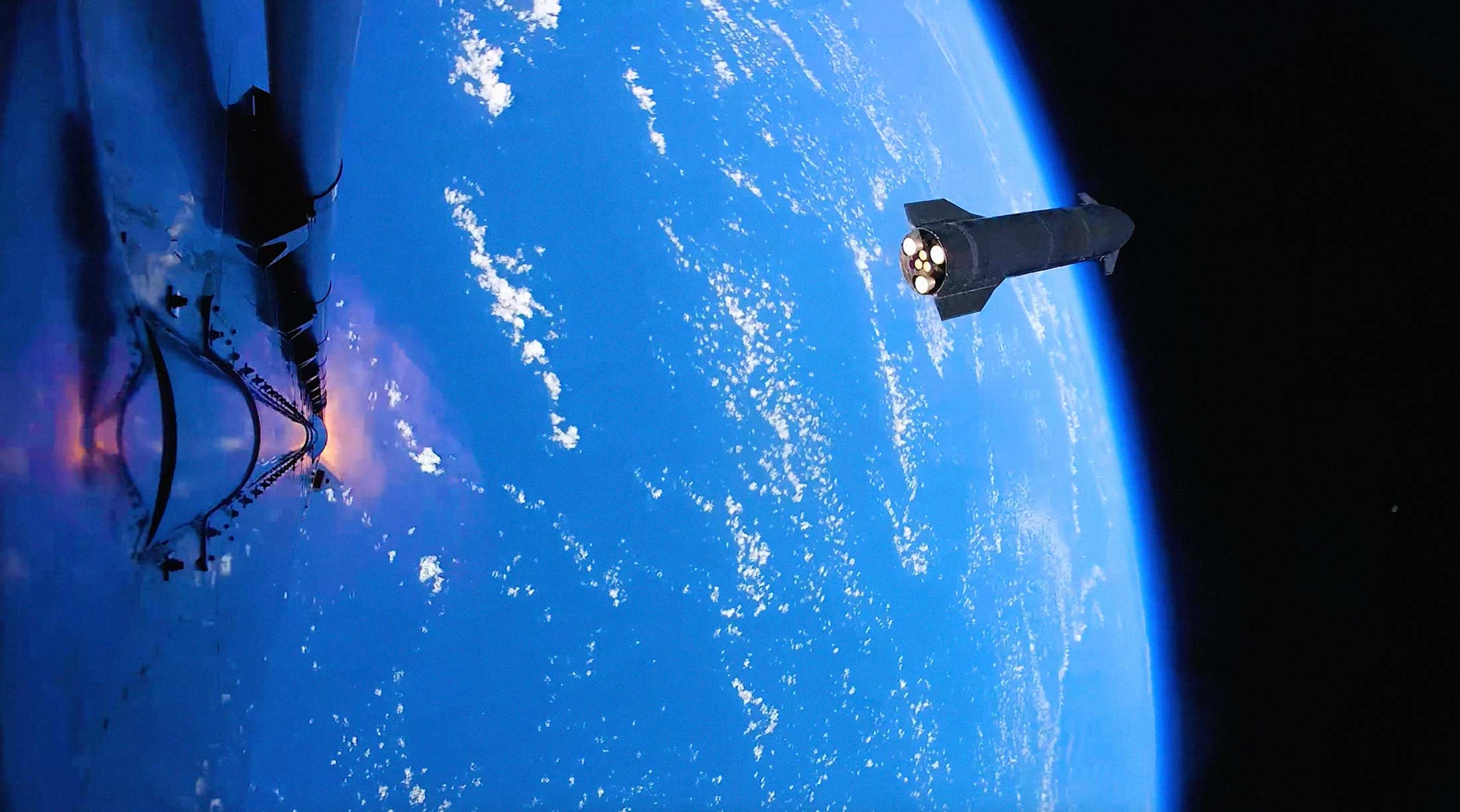
SpaceX's Starship completed its thirteenth test flight on Friday, and for the first time in the program's history, the spacecraft touched down intact in the Indian Ocean and simply floated there. No fireball. No rapid unscheduled disassembly. Just a 400-foot rocket gently tipping over into the waves after one of the most successful missions the program has ever seen.
Ship 40 lifted off from Starbase in Boca Chica, Texas at 5:51 p.m. CT, carried skyward by the Super Heavy booster's 33 Raptor 3 engines generating roughly 18 million pounds of thrust. The stacked vehicle stands approximately 408 feet tall, making it the largest and most powerful rocket ever built.
The Landing SpaceX Has Been Chasing
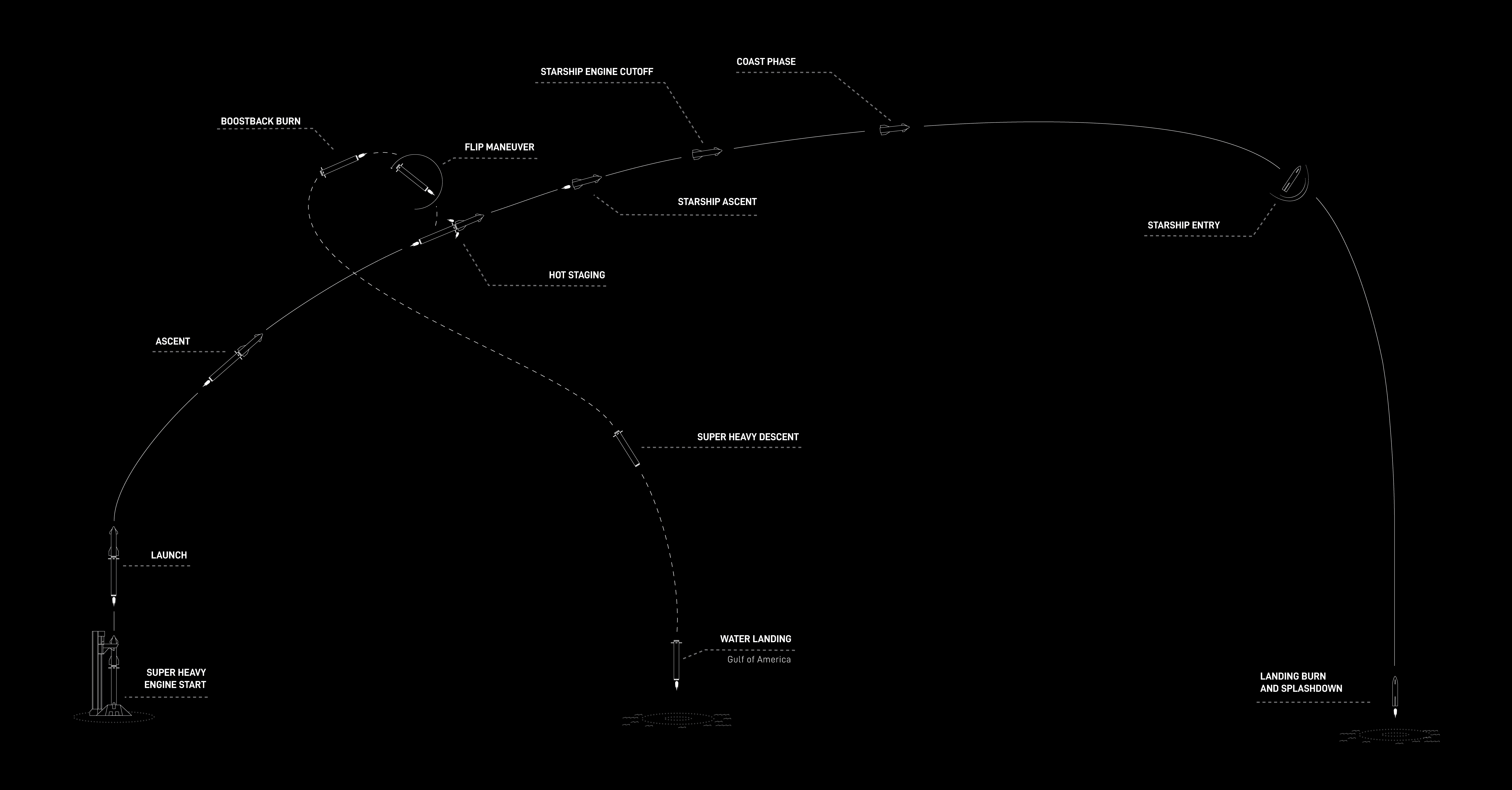
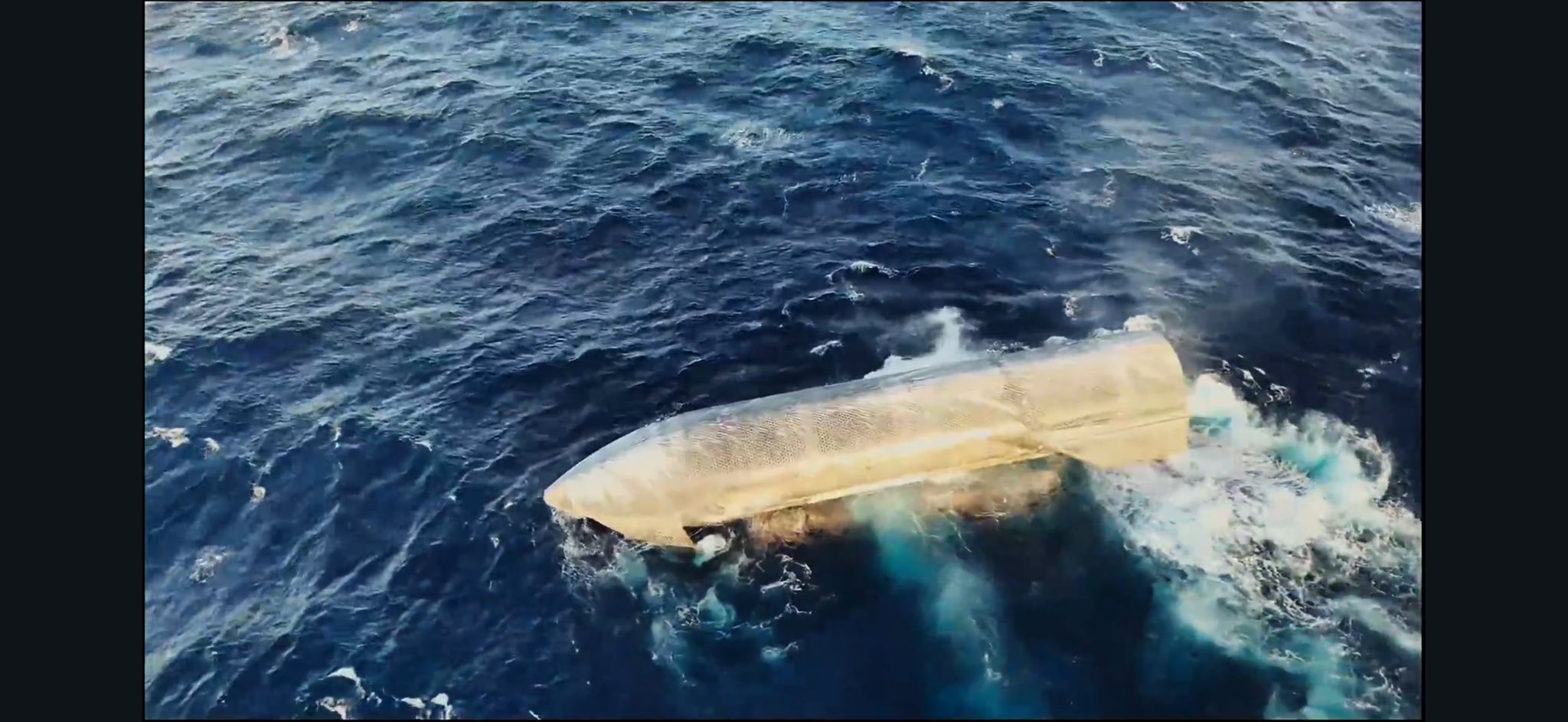
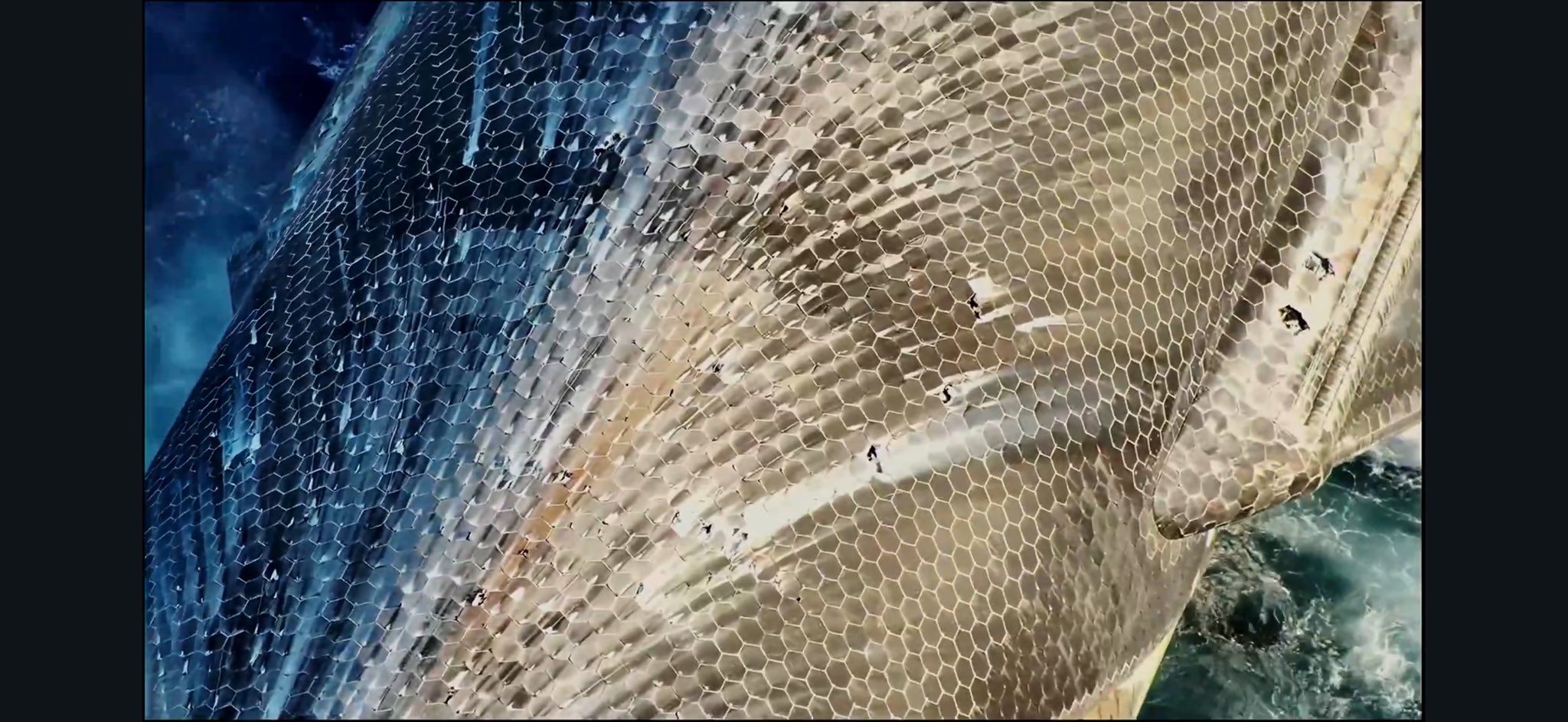
About 65 minutes after launch, Ship 40 completed its reentry, executed a landing flip maneuver, relit its engines in sequence, and set down in the Indian Ocean west of Australia. What happened next was unprecedented: the spacecraft tipped over and bobbed in the water, continuing to transmit live video as orange flames flickered around its singed fuselage.
SpaceX spokesperson Dan Huot could barely contain himself on the livestream. "That is the softest splashdown we've ever had," he said. "This is a dream scenario for this team that's trying to get this heat shield data."
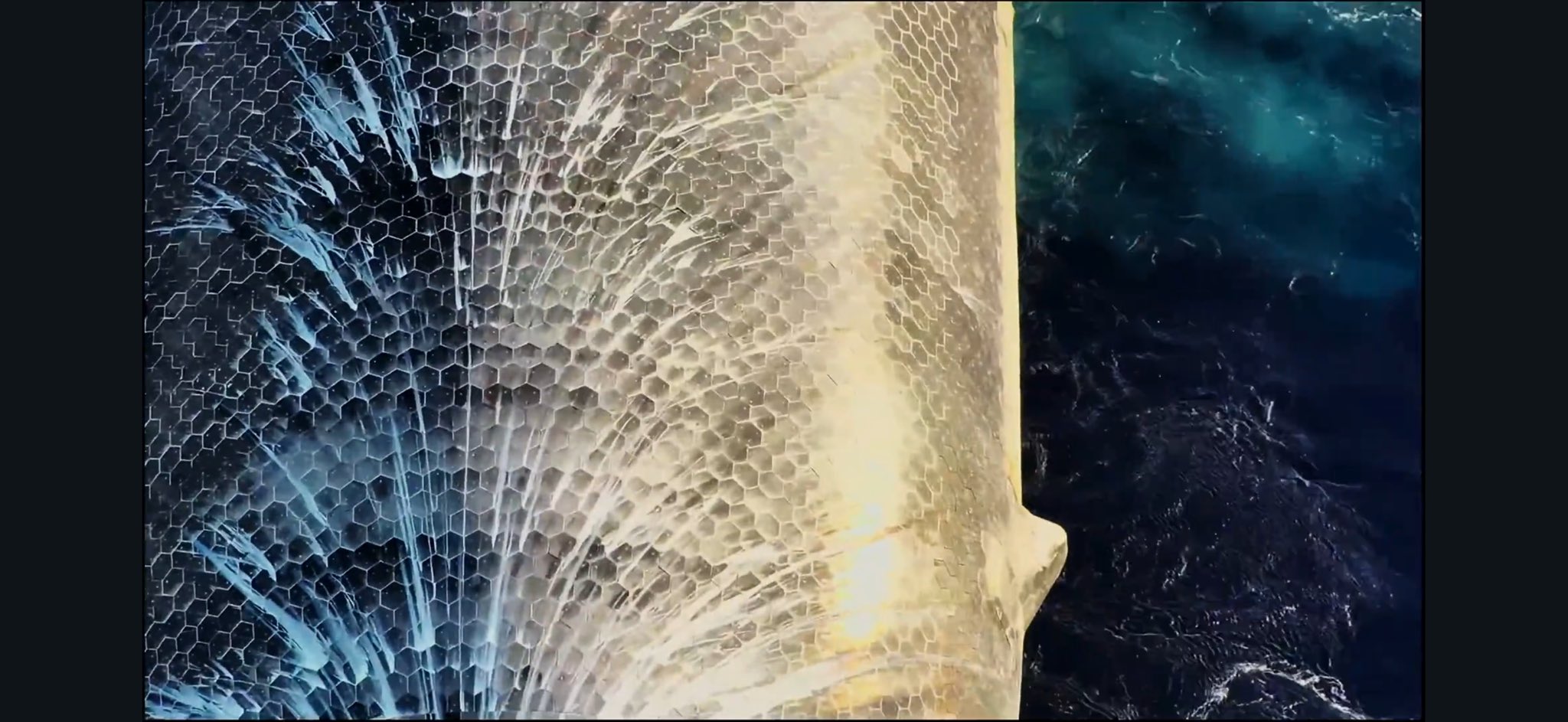
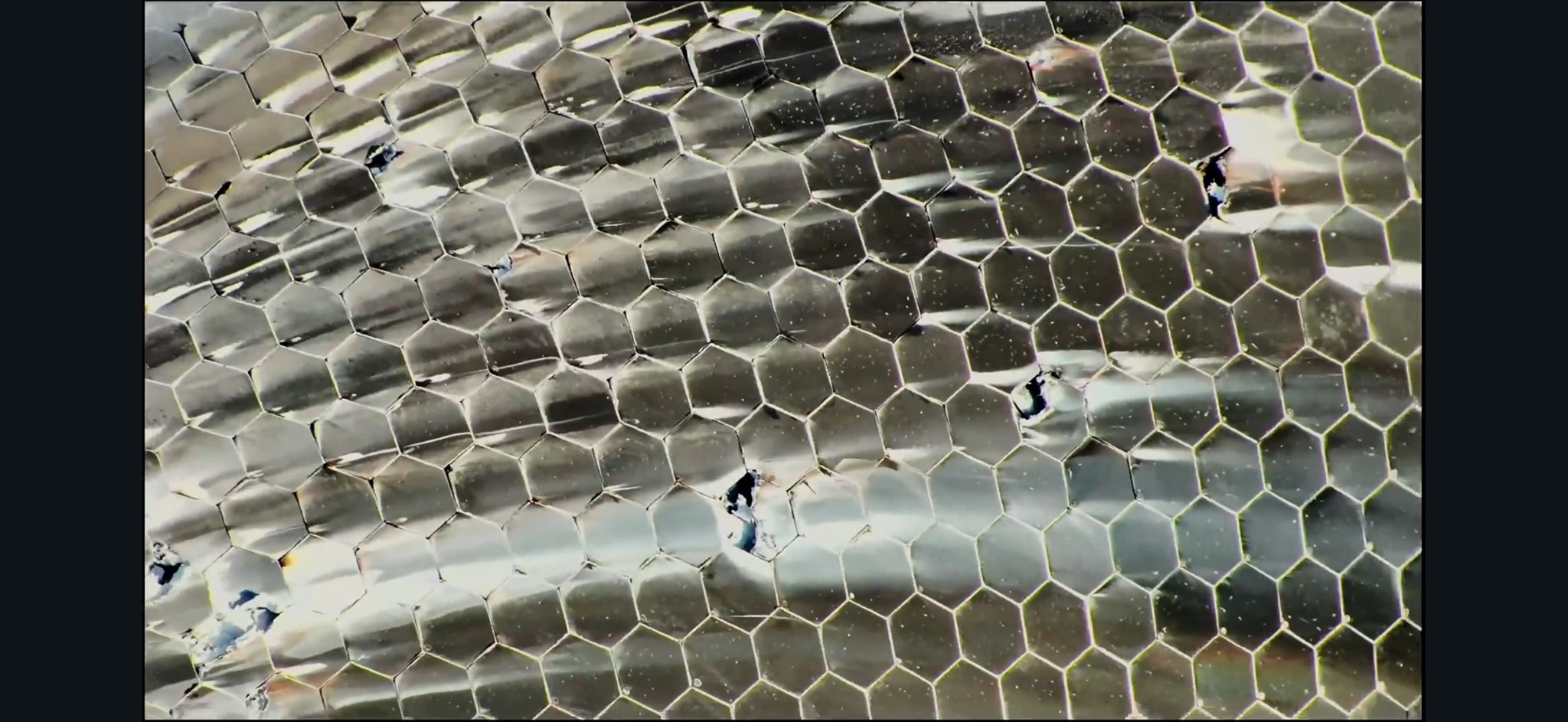
Previous Starship splashdowns had ended with the vehicle exploding on contact or shortly after. This time, Ship 40 just sat there, floating, proving that the heat shield and structural integrity had survived reentry without catastrophic damage. For an engineering team that has been iterating through failures for years, this represented a validation of countless design decisions.
what an incredible soft splashdown and maneuver by the @SpaceX team. the landing burn started with 3 engines, then switched to 2 (and later 1) as a controlled sequence to kill most of the velocity right after the flip, for the final deceleration AND a softer splashdown than the…
— David T Phung 🇺🇸 (@davidtphung) July 25, 2026
First Operational Starlink V3 Deployment
The mission also marked another milestone: the first deployment of Starlink V3 satellites to space. Ship 40 released 20 of the next-generation broadband satellites from its "Pez dispenser" payload bay, and all 20 successfully extended their solar arrays and antennas.
Six of the satellites carried cameras specifically designed to scan Ship 40's heat shield tiles and beam imagery back to Earth. SpaceX engineer Kate Tice confirmed that all 20 satellites established laser communication links with the broader Starlink constellation. The satellites were on a suborbital trajectory and reentered the atmosphere about 20 minutes after deployment, but the data collected during that window was the point.
Starlink V3 satellites are built to handle data at speeds up to 1 terabit per second, according to Universe Today, a substantial upgrade over the V2 units that currently make up most of the constellation. Deploying them at scale will require exactly the kind of high-cadence, high-capacity launch capability that Starship is designed to provide.
Super Heavy's Rougher Day
The Super Heavy booster's performance was less pristine. While all 33 engines fired cleanly at liftoff, the landing burn in the Gulf of Mexico didn't go as planned. Not all 13 engines designated for the maneuver relit, and the booster hit the water harder than intended. SpaceX had always planned to discard this particular booster, so the rougher-than-expected splashdown wasn't a mission failure. But it's a reminder that the booster catch, which SpaceX demonstrated spectacularly on Flight 5, remains a complex maneuver with narrow margins.
What Comes Next
Flight 13 came after a bumpy path to the pad. The initial July 16 launch attempt was aborted at T-0 when four Raptor engines failed to meet acceptable starting parameters. SpaceX replaced two engines, then waited out Tropical Storm Bertha before finally getting Ship 40 airborne.
The success puts SpaceX closer to its next major objective: returning Starship to the launch site for a chopstick catch, the way the company has already demonstrated with Super Heavy. Before that can happen, engineers need confidence that the heat shield can survive reentry reliably enough to risk bringing a 160-foot spacecraft screaming back toward the launch tower.
Friday's intact splashdown suggests they're getting there. The heat shield data from a vehicle that didn't explode on contact will be invaluable. Ship 40's cameras kept rolling even as it floated in the Indian Ocean, transmitting right up until the end.
SpaceX has been iterating toward this moment for years, through explosions, aborts, and partial successes. Thirteen flights in, they have a spacecraft that can launch, deploy payloads, survive the inferno of reentry, and land softly enough to stay in one piece. The gap between where Starship is today and where it needs to be for crewed lunar missions is still substantial, but it's getting smaller.