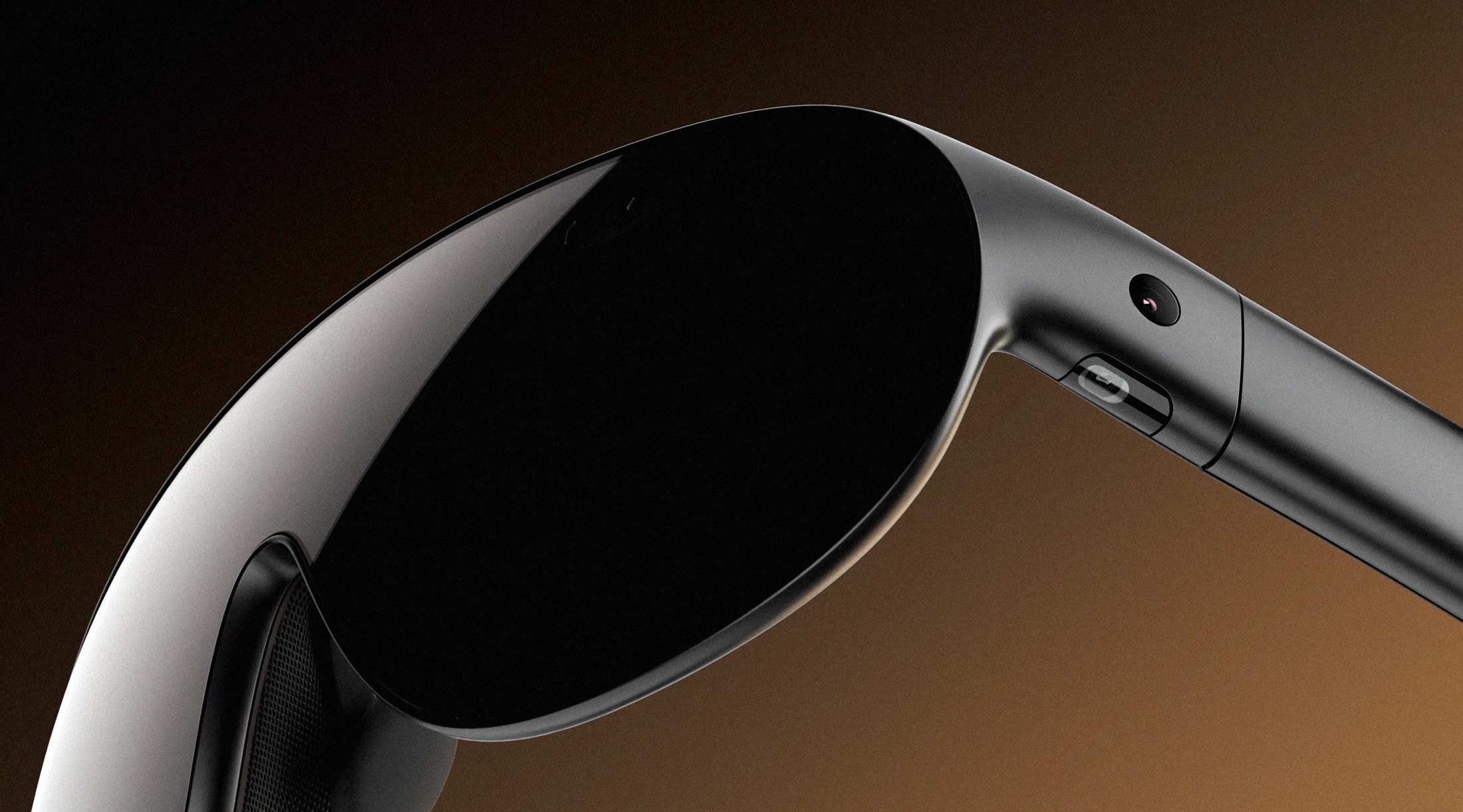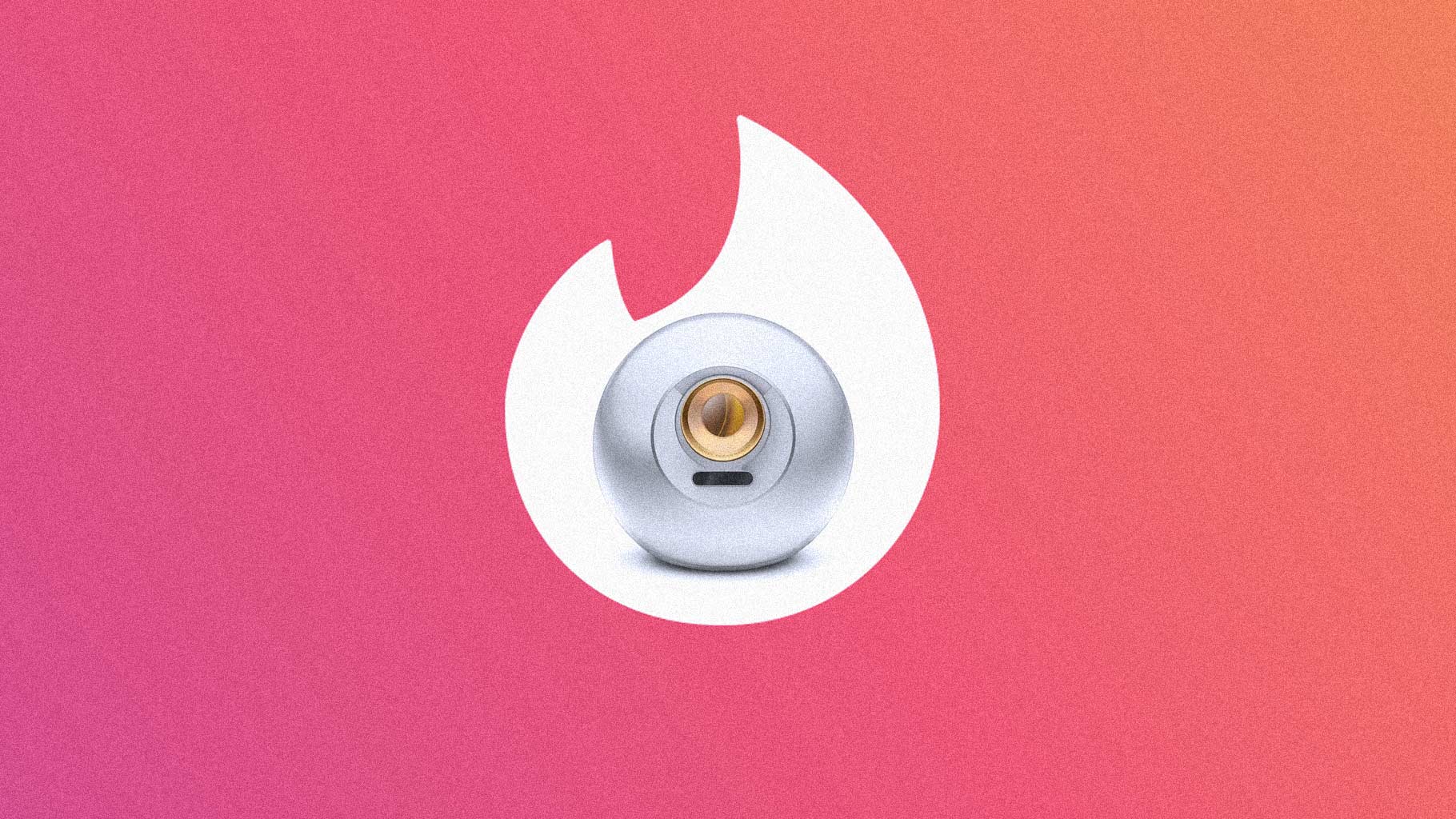
Tinder just became the first major dating app to integrate Worldcoin's biometric verification system, and the implications stretch far beyond filtering out catfish. Starting this month, users who scan their iris at one of Worldcoin's Orb stations can display a verified "Real Human" badge on their profiles, plus receive weekly free boosts that push their profiles to more potential matches.
The partnership, announced jointly by Match Group and Tools for Humanity (the company behind Worldcoin), positions itself as a solution to the deepfake crisis that has steadily eroded trust on dating platforms. But critics see something else: a Trojan horse that could normalize mass biometric data collection by wrapping it in the promise of authentic connection.
The Verification Pitch
Match Group's rationale is straightforward. According to internal data the company shared with reporters, reports of suspected AI-generated profiles on Tinder increased 340% year-over-year. The sophistication of these fakes has outpaced traditional detection methods. Reverse image searches fail when the face never existed. Voice verification crumbles against real-time audio deepfakes.
The World ID integration offers something different. The Orb scans your iris, generates a unique cryptographic identifier, and stores only a hash rather than the biometric image itself. When you link that ID to Tinder, the app can confirm you're a verified human without knowing your name, age, or anything else about you.
"This isn't about surveillance," said Alex Blania, CEO of Tools for Humanity, during the announcement. "It's about giving people a portable proof they're real that doesn't require handing over a government ID or social security number."
The Privacy Calculus
Not everyone is buying that framing. Privacy advocates point out that linking your biometric identity to a dating profile creates new risks even if the iris data itself remains encrypted. A breach wouldn't expose your eyeball scan, but it could reveal which verified identity was swiping right on whom.
"The hash is irreversible, sure," said Meredith Whittaker, president of Signal Foundation. "But the linkage isn't. You're creating a permanent record that this unique human used this dating service at this time."
The European Data Protection Board has already opened an inquiry into whether the partnership complies with GDPR, particularly around the question of consent. Critics argue that offering free boosts to verified users creates a coercive incentive structure, especially for users in competitive dating markets.
The Gateway Effect
What makes this partnership strategically significant for Worldcoin is the sheer scale of Tinder's user base. With over 75 million monthly active users globally, the dating app offers something the crypto project has struggled to achieve: mainstream relevance.
Worldcoin's Orb network has expanded to over 200 cities, but adoption has remained concentrated among crypto enthusiasts and the financially desperate in the Global South. A Tinder integration changes the calculus. Suddenly, verifying your humanity isn't about claiming a speculative token. It's about proving you're dateable.
This is the pattern worth watching. Roblox has pushed age verification as a safety feature. X is building out its own identity and payments layer. The common thread is that consumer applications are becoming the distribution channels for biometric identity systems that would face public backlash if rolled out directly.
What Comes Next
Match Group confirmed that Hinge and OkCupid will receive the World ID integration by Q3, with Bumble reportedly in early talks to license the same technology. If these partnerships proceed, the majority of the Western online dating market could require or heavily incentivize biometric verification within 18 months.
The deepfake problem is real. The solution may create problems we haven't fully mapped yet. For now, millions of users will face a new question the next time they open Tinder: is proving you're human worth giving Sam Altman's startup a scan of your eyeball?