World, the biometric identity project co-founded by Sam Altman, announced today what it's calling a "full-stack proof of human." The updated World ID system now spans hardware verification through iris-scanning Orbs, a dedicated blockchain called World Chain, and a suite of developer tools designed to let any application distinguish humans from bots.
The Three Layers
The architecture breaks down simply. At the base sits World Chain, an Ethereum L2 that went live last October and now processes over a million daily transactions. It's optimized for identity operations, offering free gas for verified humans and priority block space for applications that integrate World ID.
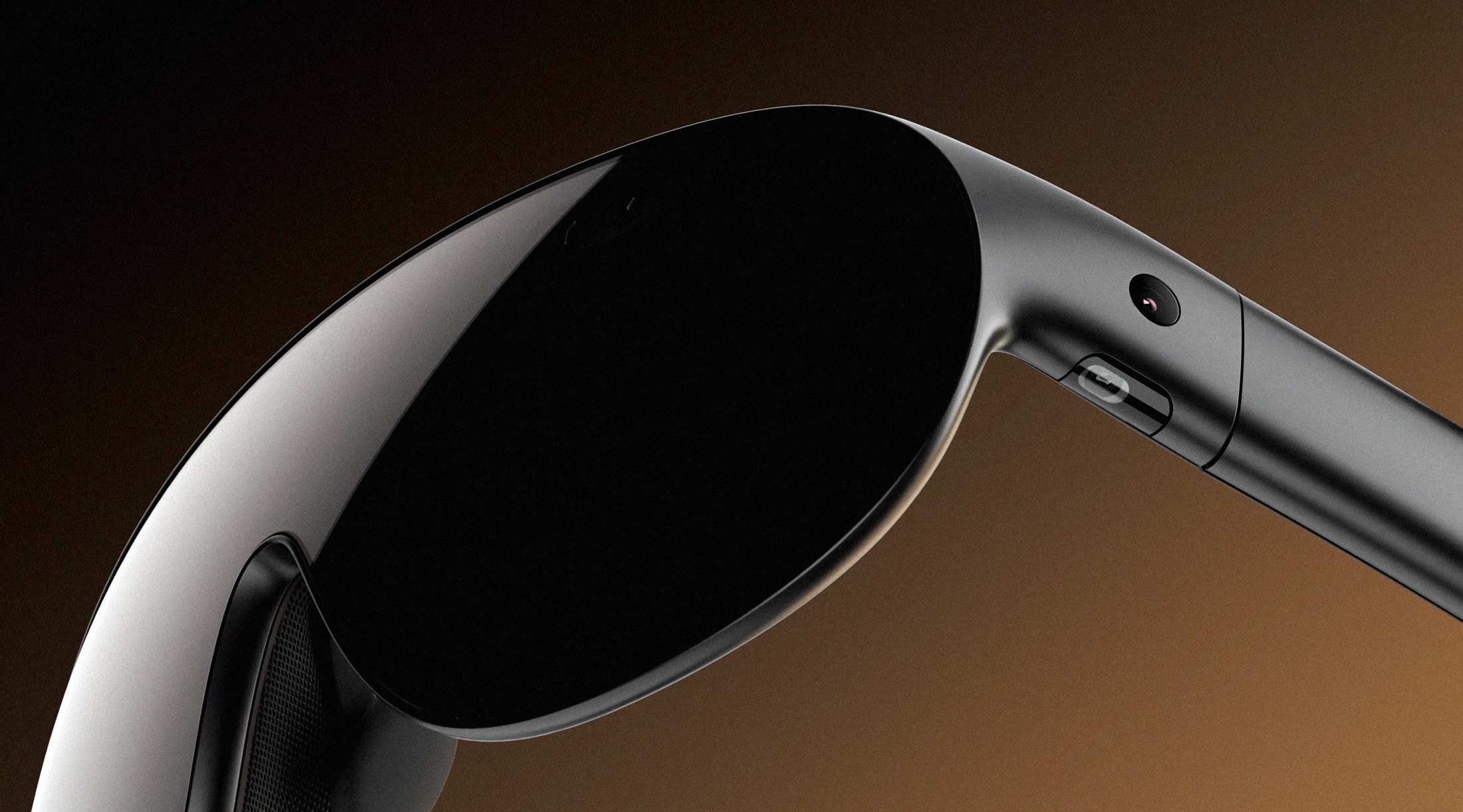
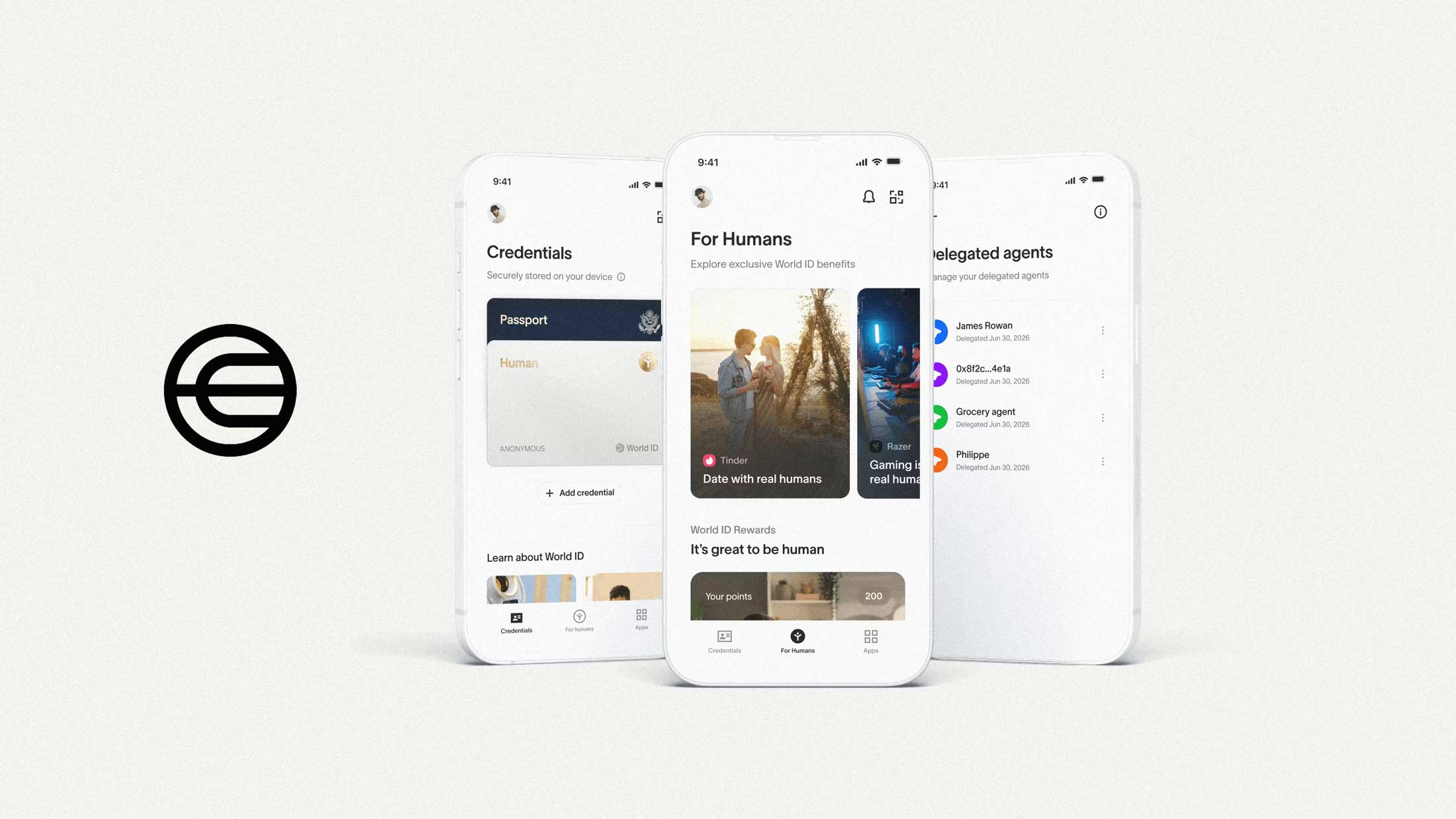
The middle layer handles credentials. World ID now supports three tiers of verification: a basic app install, document-based identity checks through a partnership with Onfido, and the flagship biometric scan using upgraded Orb hardware. Each tier unlocks different levels of trust for downstream applications.
At the top sits the developer toolkit. SDKs for iOS, Android, and web applications let builders integrate proof-of-humanity checks without touching blockchain infrastructure directly. The pitch is straightforward: as AI-generated content and autonomous agents flood digital systems, applications need a way to verify that a human initiated an action.
Why Now
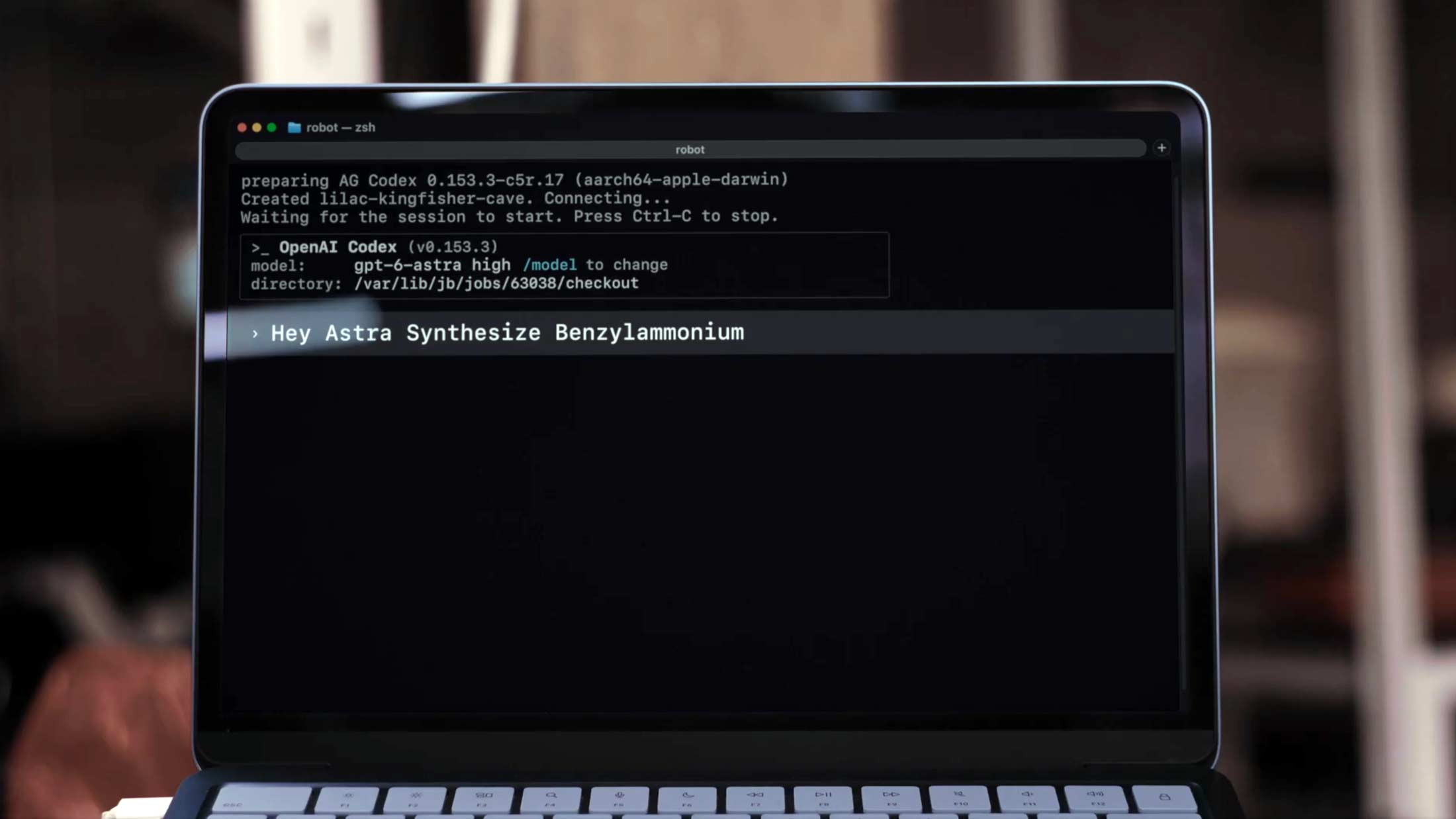
The timing tracks with a broader shift in how technologists think about AI agents operating in the real world. When autonomous systems can browse the web, make purchases, and interact with services, the question of who authorized them becomes critical. World's bet is that cryptographic proof of humanity, anchored to biometric data, provides a more robust answer than traditional authentication.
"The age of AI agents is here," the company wrote in its announcement. "Every major AI lab is developing agents capable of acting on behalf of users. This creates new requirements for identity."
The argument has merit. Password-based authentication assumes a human is typing. Two-factor codes assume a human is holding the phone. But when an AI agent acts autonomously for hours or days, those assumptions break down. A credential that proves a human exists somewhere in the authorization chain could become valuable infrastructure.
The Orb Problem Persists
Scaling remains the obvious challenge. World has deployed Orb devices across dozens of countries, but the hardware bottleneck limits how quickly the network can onboard users. The company claims over 26 million verified humans to date, concentrated heavily in markets like Kenya, Argentina, and Indonesia where the project offered crypto incentives for signing up.
Privacy concerns haven't disappeared either. Although World says it deletes raw iris images after generating cryptographic hashes, the act of scanning a biometric identifier triggers understandable unease. Regulatory scrutiny in Europe and parts of Africa has forced operational changes, and the long-term legal landscape for biometric identity systems remains unsettled.
What Gets Built on Top
The full-stack framing matters because it positions World as infrastructure rather than a standalone application. If the thesis holds, World ID becomes a primitive that other services compose into their products. Voting systems, social networks, financial services, and payment platforms could all tap into the same verification layer.
Some early integrations point in this direction. Reddit has experimented with World ID for community verification. Several crypto protocols use it for sybil resistance in token distributions.
Whether this becomes essential infrastructure or an interesting experiment depends on factors World doesn't fully control. If AI agents become as pervasive as their creators predict, proof of humanity may shift from a niche concern to a basic requirement. If that transition happens slowly, or if alternative approaches emerge, the investment in Orbs and blockchains may prove premature.
For now, World has assembled the pieces. The question is whether the world actually needs them.