Barocal, a Cambridge University spin-out, has raised $10 million to commercialize a solid-state cooling technology that eliminates the greenhouse gas refrigerants found in nearly every air conditioner and refrigerator on the planet.
The seed round was led by World Fund, with participation from Breakthrough Energy Discovery, Cambridge Enterprise Ventures, and IP Group. The company plans to use the funding to hire senior engineering and commercial talent as it moves from laboratory research toward commercial deployment.
How It Works
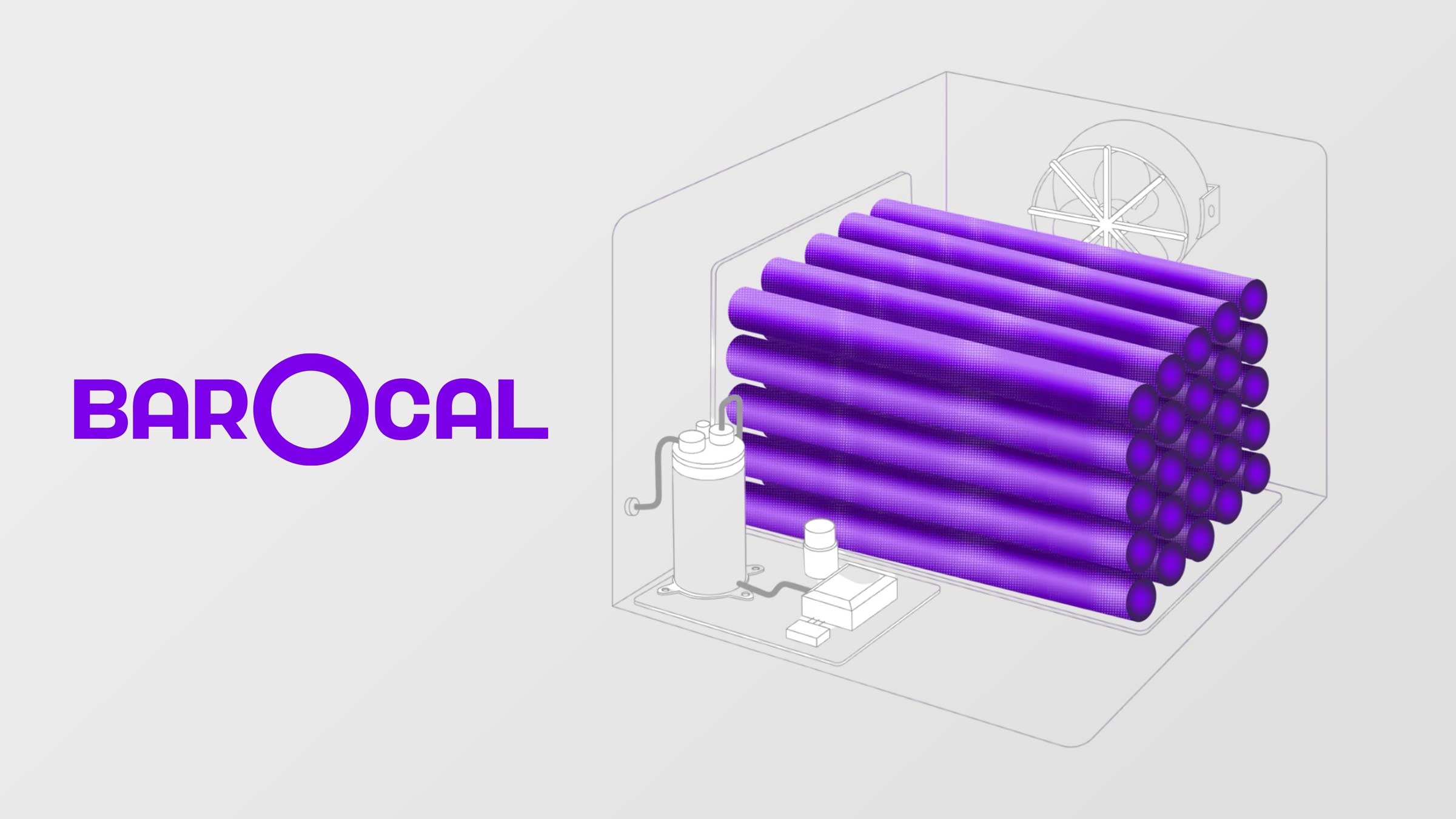
Traditional cooling systems rely on vapor compression cycles that push refrigerant gases through coils. These gases, often hydrofluorocarbons, can have a global warming potential thousands of times greater than carbon dioxide. They also leak. Barocal's approach replaces the gas entirely with solid organic materials called plastic crystals.
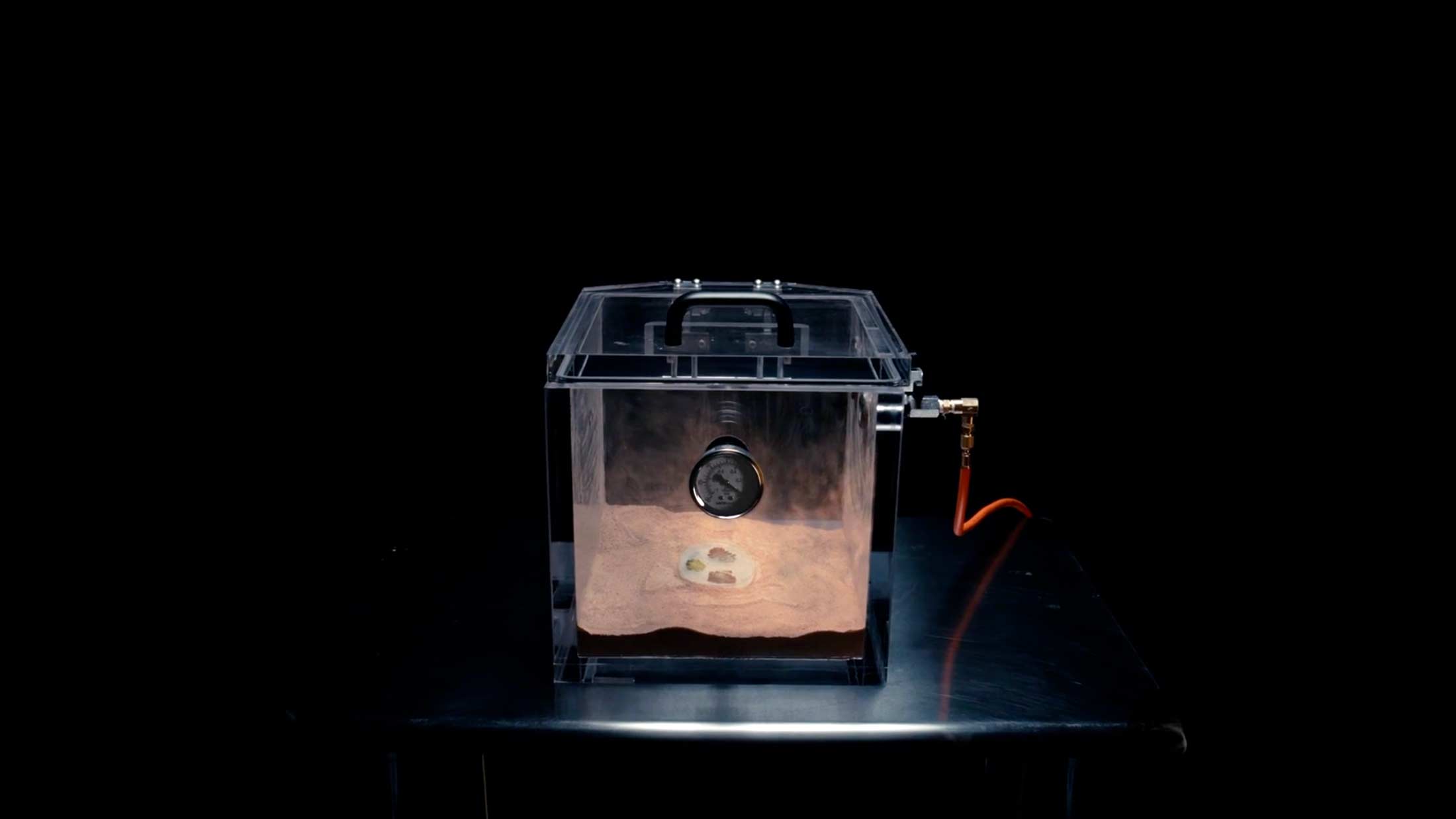
When these materials are compressed, they release heat. When pressure is removed, they absorb it. This is the barocaloric effect, and it creates a cooling cycle without any fluid refrigerants that can escape into the atmosphere.
Professor Xavier Moya, who founded Barocal in 2019 after more than 15 years of research at Cambridge, discovered that certain organic compounds demonstrate what researchers call "colossal" barocaloric effects. Neopentyl glycol, one of the most studied materials in this class, exhibits entropy changes of approximately 389 J kg⁻¹ K⁻¹ near room temperature. That figure represents one of the largest thermal responses ever recorded in a solid-state cooling material.
The Market Opportunity
The heating and cooling sector accounts for roughly 15% of annual global greenhouse gas emissions, according to Cambridge Enterprise. That share exceeds aviation's contribution yet receives a fraction of the policy attention. Cooling alone was responsible for more than 4 gigatons of CO₂-equivalent emissions in 2022, and demand is projected to triple by 2050 as rising temperatures and growing middle classes drive air conditioning adoption across the developing world.
Barocal claims its technology can deliver up to three times the energy efficiency of conventional vapor compression systems while eliminating refrigerant leaks entirely. The company will initially target data center cooling and commercial refrigeration, tapping into a global HVAC market valued at approximately $450 billion.
According to the U.S. Department of Energy, heating and cooling buildings accounts for around 35% of all energy consumption, making it the single largest end-use category. Data centers, meanwhile, face escalating cooling costs as AI workloads drive power density higher.
Challenges Ahead
The HVAC industry has been refining vapor compression technology for over a century. Disrupting that installed base will require more than laboratory results.
One persistent challenge with barocaloric materials is thermal hysteresis. Pure neopentyl glycol requires high pressures to achieve reversible cooling effects, which limits practical applications. Recent research from the University of Glasgow and Cambridge has explored blending NPG with pentaglycerine and small amounts of pentaerythritol to improve performance at lower pressures. Whether Barocal has solved these engineering problems at commercial scale remains to be seen.
The company says its platform is designed to integrate with existing thermal management systems and operate efficiently across all ambient conditions, including high temperatures. It has already won recognition, including the $1 million TERA-Award in 2025.
If Barocal can deliver on its claims, the implications extend well beyond refrigerators. EV battery cooling, industrial chillers, and the insatiable thermal demands of AI data centers all represent potential markets. The company's success would depend on achieving cost parity with entrenched systems while proving long-term durability under continuous operation.
For now, Barocal has the funding to move forward. The physics is promising. The commercial proof remains years away.