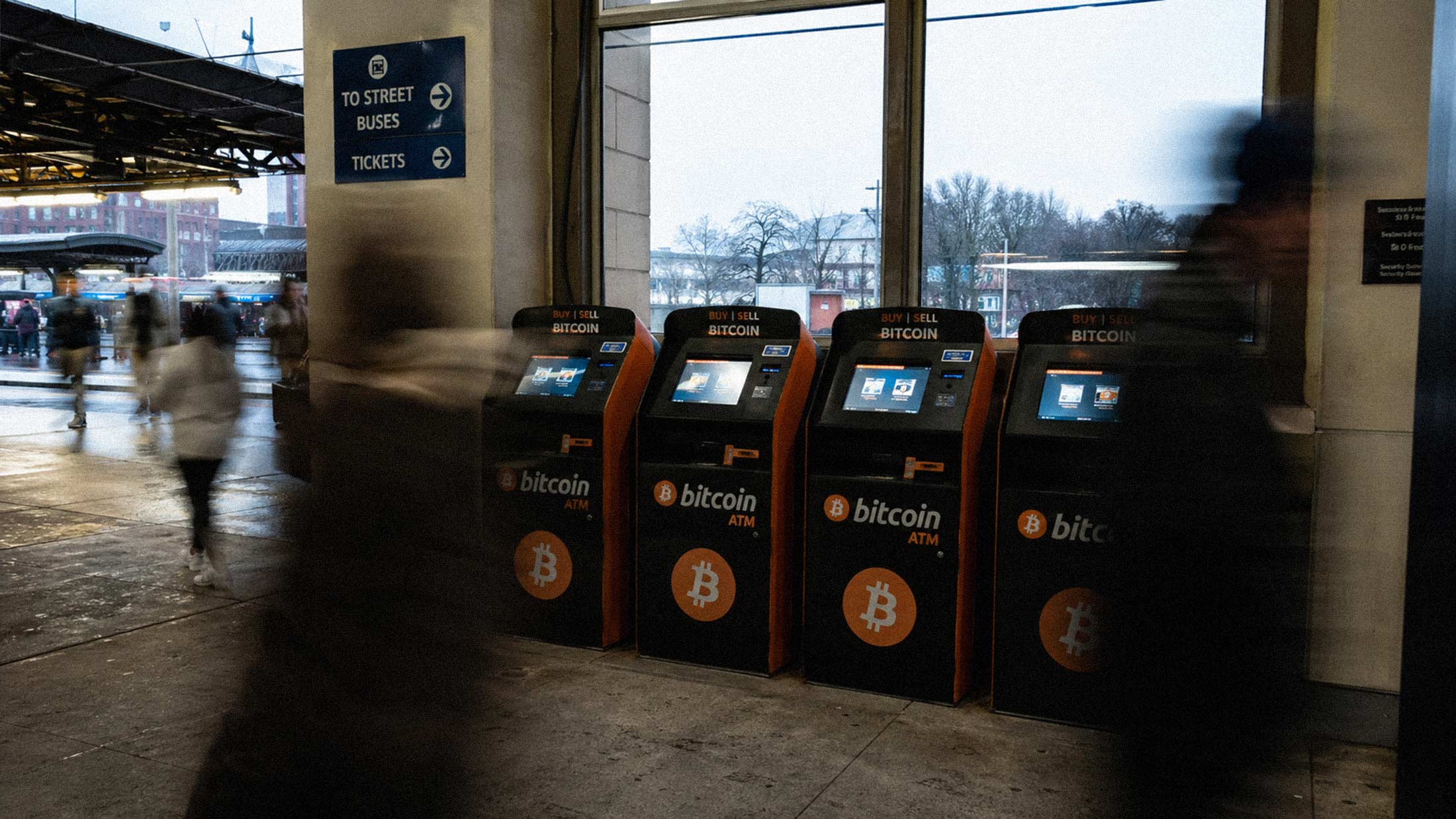
Canada is preparing to shut down its entire crypto ATM network. The federal government's Spring Economic Update 2026, released April 28, includes a proposal to ban cryptocurrency ATMs nationwide. Officials describe the machines as a primary method scammers use to extract money from fraud victims and launder illicit cash.
The proposed ban would eliminate nearly 4,000 machines scattered across convenience stores, malls, and gas stations. Canada has the most crypto ATMs per capita in the world, accounting for roughly 10 percent of the global total of 39,000 machines. That density, once a point of pride for the country's crypto-forward reputation, has become a liability.
The Fraud Problem
The move follows a CBC News investigation last year that examined how these machines became the preferred tool for fraud networks. FINTRAC, Canada's financial intelligence agency, reached the same conclusion in a February 2023 internal analysis: crypto ATMs are likely to remain the primary method fraudsters use to collect and launder funds from victims.
The mechanics are straightforward. Unlike traditional banking, crypto ATMs require minimal identification for smaller transactions. Deposits under $1,000 often need only a phone number. There's no teller trained to spot a scam in progress. Funds move instantly and irreversibly to wallets anywhere in the world. For criminals, it's nearly frictionless.
Canadians lost more than $704 million to fraud in 2025, according to data from the Canadian Anti-Fraud Centre. Total reported losses since 2022 have surpassed $2.4 billion. Those figures represent only 5 to 10 percent of actual incidents, officials say, meaning the real damage is likely far worse.
What Changes, What Doesn't
The ban targets the ATM format specifically. Canadians will still be able to buy digital assets through brick-and-mortar money services businesses and regulated online exchanges. The government is not restricting cryptocurrency ownership or trading. Ottawa's aim is to close off the cash-to-crypto conversion point that fraud networks exploit most heavily.
Finance Minister François-Philippe Champagne had signaled the move was coming. Asked about the issue last fall, he told CBC the government was examining all options to prevent financial crimes. The Spring Economic Update integrates the ATM ban into a broader anti-fraud strategy that includes expanded powers for FINTRAC to revoke registrations, stricter criminal-record checks for operators, and enhanced data collection on business activities.
Canada is not acting alone. The United Kingdom effectively banned crypto ATMs in 2021 by creating a licensing framework that has issued zero licenses. New Zealand is proposing a similar ban. Australia introduced daily transaction limits last year following investigations by its financial intelligence agency. The pattern across Western democracies is clear: regulators increasingly view these machines as a fraud risk rather than a financial convenience tool.
The Historical Irony
There's a symbolic weight to this decision. Canada hosted the world's first publicly available Bitcoin ATM in October 2013, inside a Waves Coffee House in downtown Vancouver. That machine, operated by a startup called Bitcoiniacs, attracted lines of curious users and marked a pivotal moment in crypto's push toward mainstream adoption.
Thirteen years later, the country that birthed the crypto ATM industry is preparing to kill it.
The proposal still needs to become law. Key details remain unclear, including whether existing operators will face immediate shutdown or a wind-down period. Industry groups will lobby hard against it. But the political momentum points in one direction. When the government describes an entire category of financial infrastructure as a tool for criminals, the debate has effectively ended.
Canadian crypto users who relied on the convenience of cash-to-Bitcoin conversions at their local gas station will need to adapt. The alternative is regulated exchanges with proper identity verification. For fraud victims, the ban closes one of the fastest and hardest-to-trace paths scammers have used to move money beyond recovery.