The Chromebook era is quietly ending. Google on Tuesday unveiled Googlebooks, a new laptop category that places the company's Gemini AI at the operating system's core rather than treating it as a bolt-on assistant.
The announcement came at Google's Android Show, a pre-I/O event. Hardware partners Acer, Asus, Dell, HP, and Lenovo are already building the first devices, which are scheduled to ship this fall. Google has not confirmed chip platforms, model names, pricing, or launch regions.
The Magic Pointer
The headline feature is Magic Pointer, an AI-powered cursor with Gemini built in. Rather than pointing and clicking, wiggling the cursor surfaces quick, contextual suggestions based on what's on the screen. Hover over a date in an email and you can set up a meeting; select two images and Gemini can composite them.
Magic Pointer was developed with the Google DeepMind team, and it signals where Gemini Intelligence is heading: toward an interface layer rather than a chatbot you summon deliberately.
Android Integration and Widgets
The second pillar is Android phone integration. Cast My Apps lets users access any phone application on the laptop's larger display. Quick Access extends this to files: the Googlebook file browser can browse a connected phone's storage and insert documents directly.
Then there's Create My Widget, a generative UI feature that builds custom desktop widgets from plain-language prompts, pulling data from Gmail, Calendar, and other Google services. Think of it as vibe-coding for personal dashboards.
Hardware and the Glowbar
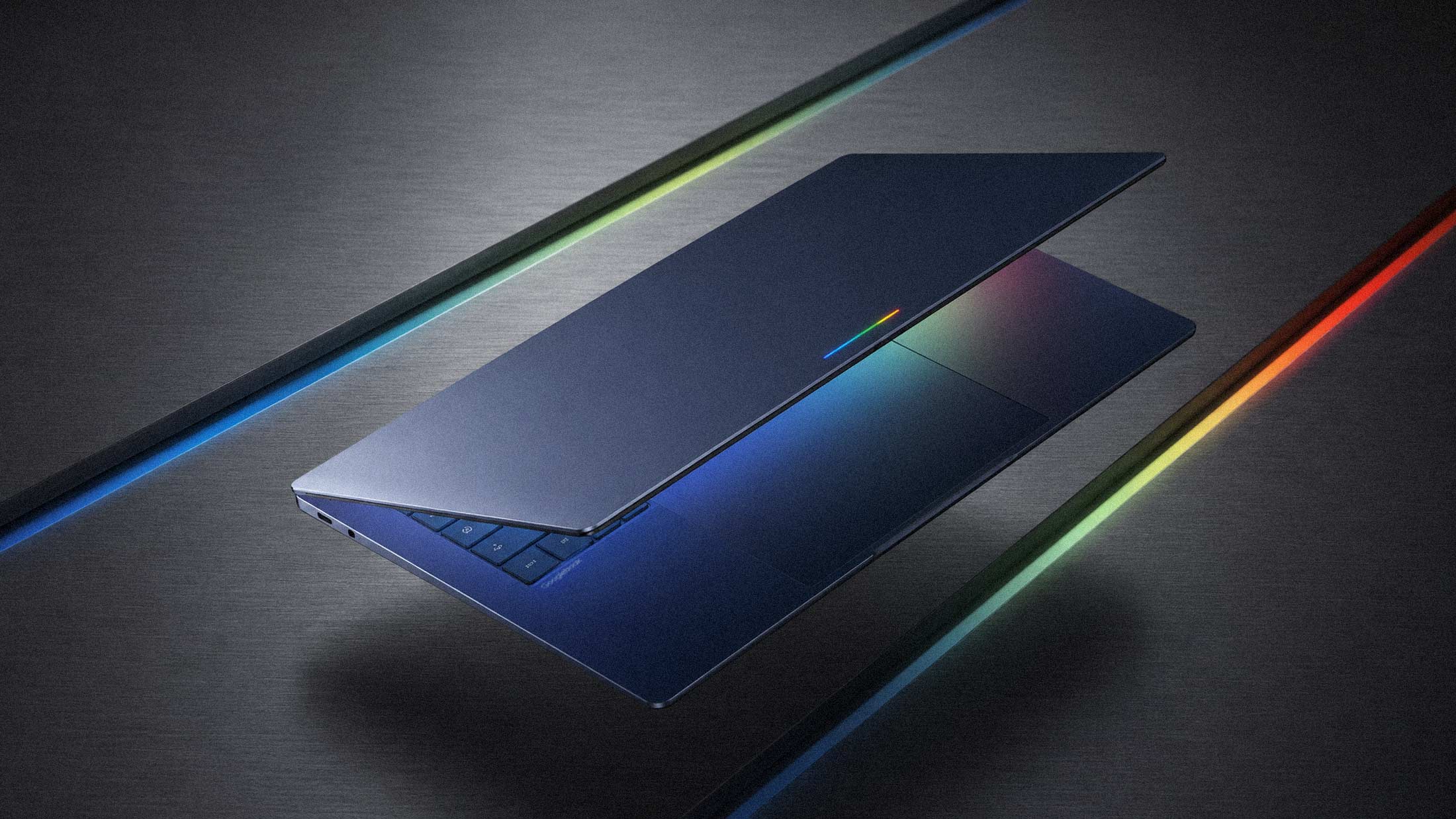
Google says every Googlebook will feature premium craftsmanship and materials. Each device will include a distinctive Glowbar, a Google-branded light strip that the company describes as functional and beautiful. Specifics about what the Glowbar actually does remain vague.
Details on hardware specifications, processors, battery life, and how much AI processing happens locally versus in the cloud have not been disclosed. That's an important gap. Running meaningful on-device inference requires silicon capable of sustaining it, and Google's silence on chips leaves open questions about how well these machines will perform offline.
What Happens to Chromebooks
The unveiling comes fifteen years after Google introduced the Chromebook, the affordable, browser-based laptops that became fixtures in schools and workplaces. Googlebooks will essentially succeed the Chromebook, though Google won't say so directly.
A Google spokesperson told TechCrunch that the company will continue supporting current Chromebook users through their devices' existing update commitments, and that many Chromebooks will be eligible to transition to the new experience. What that transition looks like remains unspecified.
The real shift is architectural: Google is moving away from ChromeOS and toward an Android-based operating system with AI built into the foundation. It's a direct response to Microsoft's Copilot+ PCs and Apple's deepening on-device intelligence via Apple Silicon.
The Bigger Picture
This matters because it repositions the laptop from an application platform to an intelligence platform. Google repeatedly used the term 'agentic AI' during the event, describing AI systems that perform tasks autonomously rather than just answering questions.
The trajectory is clear. Compute is becoming infrastructure for intelligence, and the companies that control operating systems want AI woven in at the root. Whether Googlebooks succeed depends on execution, particularly on the hardware side. Pricing is unconfirmed. Performance is unverified. The fall is a long way off.