A team at Tokyo University of Science has identified a specific cell population responsible for regenerating hair follicles, a discovery that could fundamentally change how we approach hair loss treatment. The research, published this week, pinpoints dermal papilla cells as the master regulators of the hair growth cycle.
The Problem With Current Treatments
Hair loss affects roughly half of men by age 50 and a significant portion of women over their lifetimes. Current treatments fall into two camps: drugs like minoxidil and finasteride that slow loss but rarely reverse it, and surgical transplants that redistribute existing follicles without creating new ones. Neither addresses the root cause of why follicles stop producing hair in the first place.
The Tokyo University team, led by Professor Junji Fukuda, approached the problem differently. Rather than focusing on hair itself, they investigated the signaling mechanisms that tell follicles when and how to grow. Their findings suggest that dermal papilla cells act as a kind of command center, sending molecular instructions that determine whether a follicle enters its growth phase or remains dormant.
What Makes These Cells Special
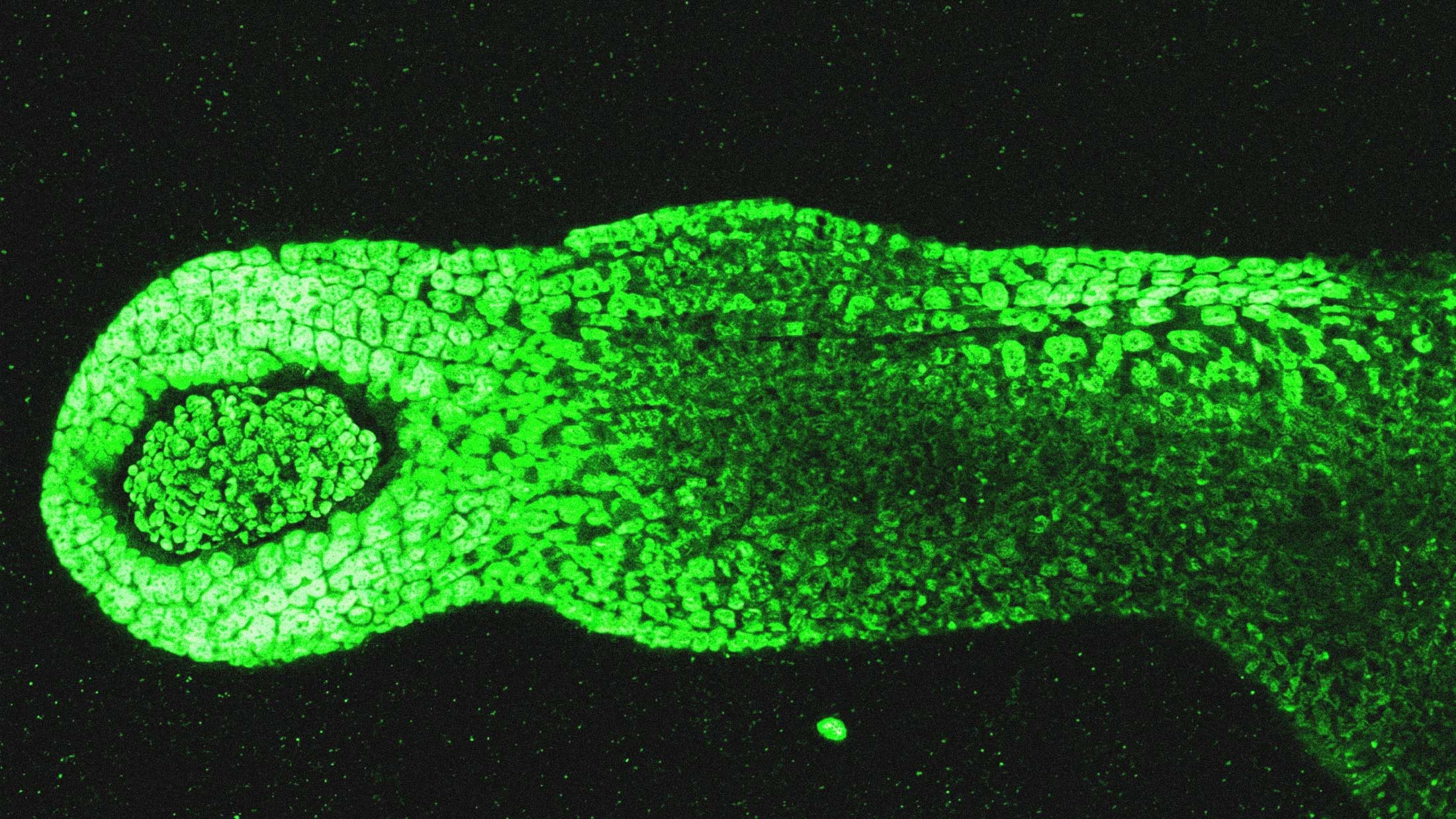
Dermal papilla cells sit at the base of each hair follicle, nestled in a structure that resembles a tiny bulb. Scientists have known about them for decades, but their precise role remained unclear. The Japanese research team used advanced cell sorting techniques and single-cell RNA sequencing to map exactly what these cells do during the hair cycle.
What they found was striking. Dermal papilla cells don't just support hair growth. They actively initiate it by releasing specific growth factors that wake up stem cells in the follicle. When these signals diminish, which happens with age and in pattern baldness, the follicle miniaturizes and eventually stops producing visible hair altogether.
The team also discovered that dermal papilla cells can be isolated, cultured, and potentially transplanted. In mouse models, introducing healthy dermal papilla cells into dormant follicles restarted hair production. The implications for human treatment are significant, though substantial work remains before clinical applications become available.
From Lab Bench to Clinic
The gap between a promising laboratory finding and an approved treatment typically spans a decade or more. But this research arrives at a moment when biological sensing technologies and cell therapy infrastructure have matured considerably. Techniques for harvesting, expanding, and reimplanting human cells have improved dramatically, driven partly by advances in cancer treatment and regenerative medicine.
Several biotechnology companies have already expressed interest in licensing the Tokyo University findings. The commercial potential is obvious. The global hair loss treatment market exceeds $4 billion annually, and that figure reflects demand for products that mostly don't work very well. A cell-based therapy that actually regrows hair would represent a different category entirely.
Professor Fukuda's team is now working on protocols for human cell culture, attempting to solve the challenge of expanding dermal papilla cells in the lab without losing their regenerative properties. Previous attempts by other researchers failed because the cells quickly lost their ability to induce hair growth when removed from their natural environment. The Japanese team claims to have identified culture conditions that preserve this function, though peer replication will be essential.
The Broader Context
This research fits into a larger trend of treating age-related conditions at the cellular level rather than managing symptoms. Similar approaches are being pursued for conditions ranging from arthritis to heart disease, where researchers aim to restore function rather than simply slow decline.
The hair loss application also serves as a useful proving ground for regenerative medicine more broadly. Follicles are accessible, measurable, and relatively simple compared to internal organs. If cell-based therapies can reliably regenerate hair, the same principles might extend to more complex tissues.
There's also growing interest in combining cell therapies with gene editing techniques that could enhance or modify transplanted cells. Some researchers envision dermal papilla cells engineered to be resistant to the hormonal signals that cause pattern baldness, creating a permanent solution rather than one requiring repeated treatments.
What Happens Next
The Tokyo University team plans to begin small-scale human trials within two years, pending regulatory approval from Japan's Pharmaceuticals and Medical Devices Agency. Japan has positioned itself as a favorable jurisdiction for regenerative medicine research, with streamlined approval pathways for cell-based therapies.
Initial trials will likely focus on patients with alopecia areata, an autoimmune condition that causes patchy hair loss, before expanding to androgenetic alopecia, the more common form of pattern baldness. The technical challenges differ somewhat between these conditions, but the underlying mechanism of follicle regeneration applies to both.
For the millions of people who have tried everything from supplements to laser caps to increasingly creative comb-over techniques, the research offers something that has been in short supply: a plausible path to actual regrowth based on understanding what follicles need rather than hoping something might work.