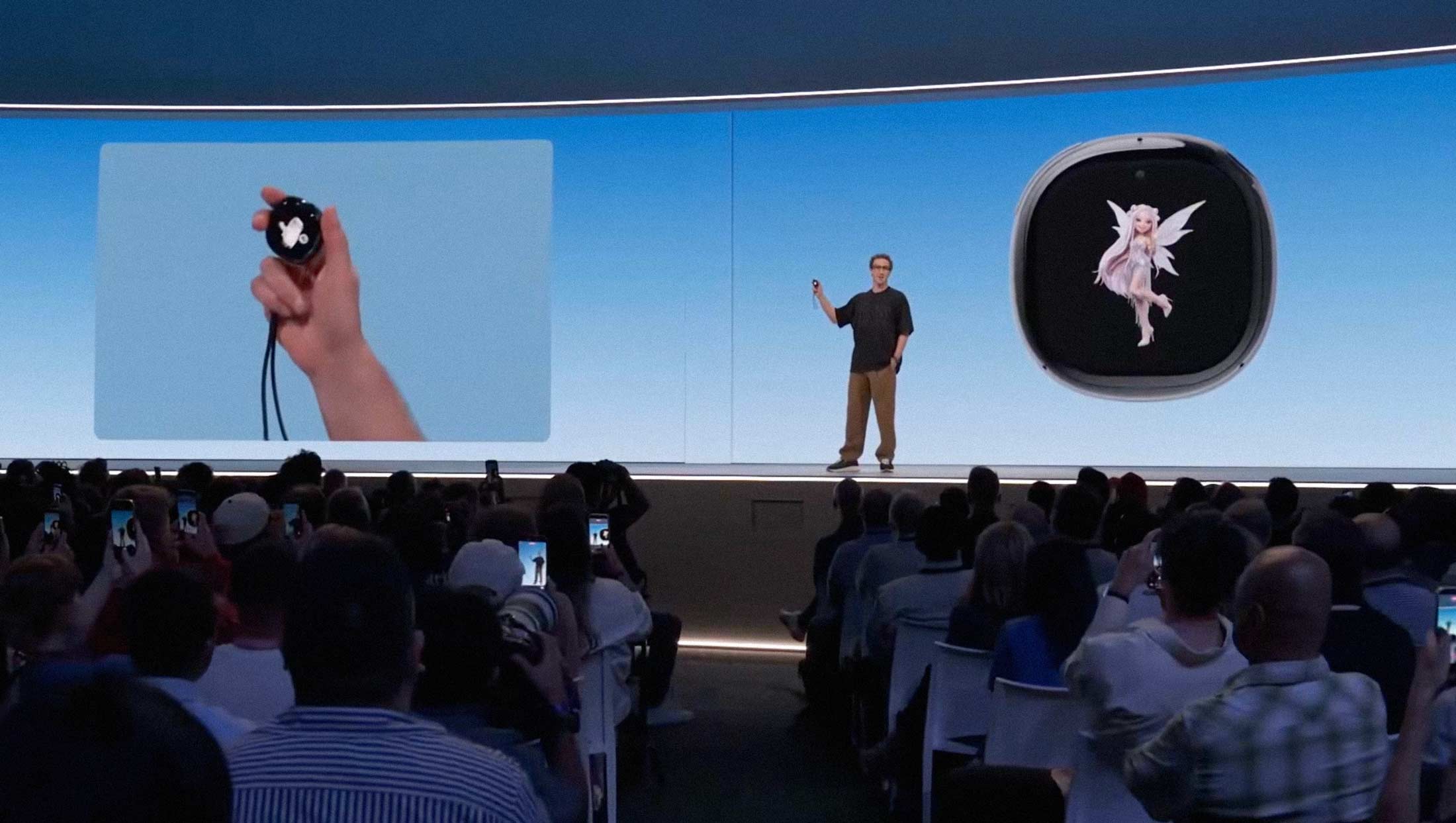
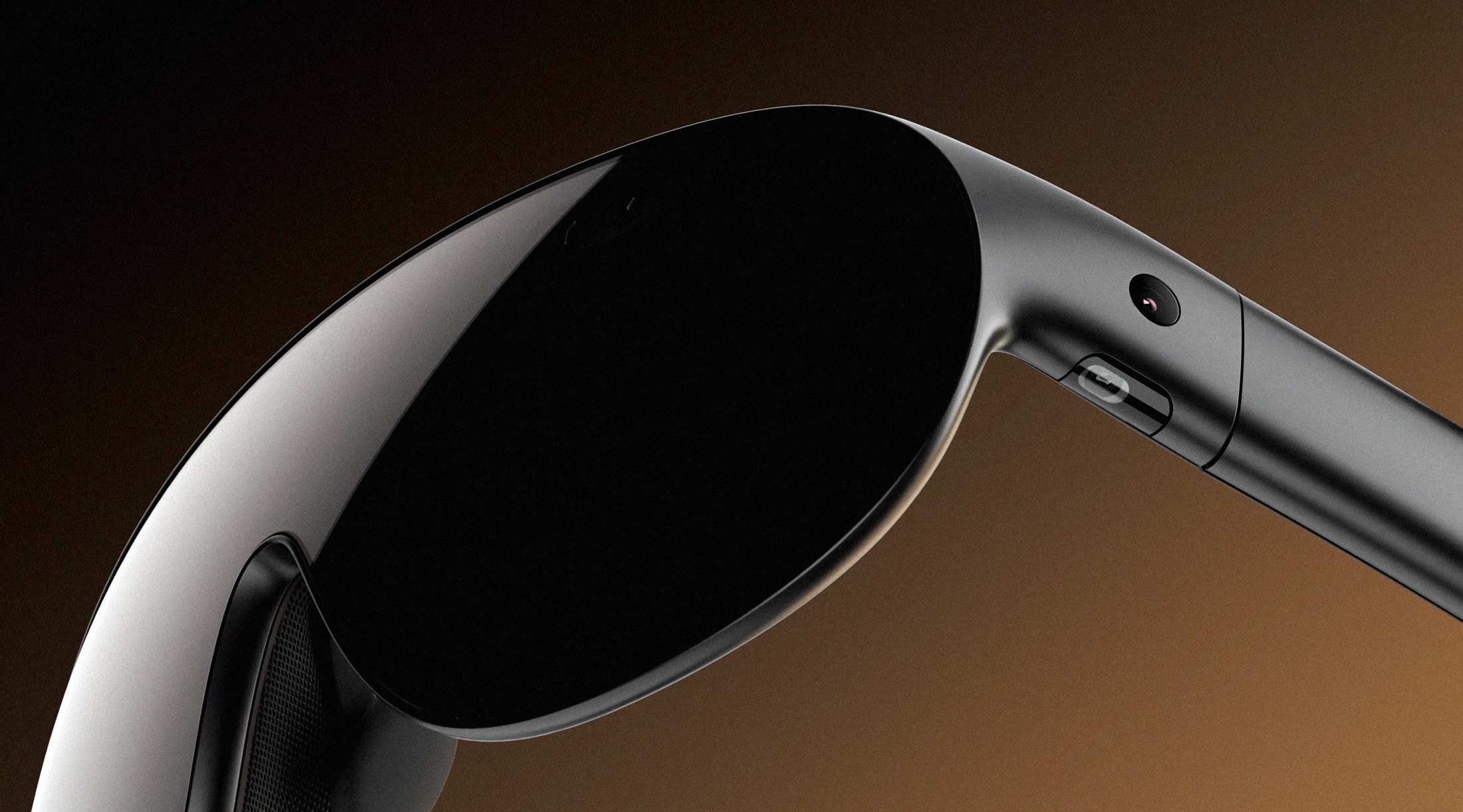
Serial leaker Luna discovered the first official visuals of Meta's Project Phoenix embedded in the HorizonOS Prescription Lens firmware package, revealing a slim, glasses-style headset that represents a major design shift for the company's mixed reality ambitions. The page has since been taken down by Meta, but the images are now circulating widely across VR communities.
First official visuals of Meta's Project Phoenix, found in the HorizonOS Prescription Lens firmware package! pic.twitter.com/YmN0SCJNCD
— Luna (@Lunayian) September 10, 2026
According to UploadVR, Meta released the HorizonOS Prescription Lens app as a free download in August 2026. The app was delivered as a ZIP file rather than a standard APK, making its contents easily accessible through any file manager. At first it appeared to be a placeholder for pairing prescription lens inserts with the unreleased headset. But in September, Meta updated the package with detailed visuals showing how prescription lenses attach, detach, and scan via QR code.
The leaked assets depict a headset that looks more like wraparound glasses than a traditional VR device. Glasses-style nose pads replace the typical cushioned face interface found on Quest headsets. Sensors are visible on the outer temple sides and undersides. The positioning of the downward-facing sensors has sparked speculation about face tracking capabilities, though their exact function remains unconfirmed.
A Tethered Architecture
Phoenix's form factor is made possible by offloading both the battery and processing hardware to an external compute puck worn on the body. The tethering cable attaches to the end of the left temple, as reported by Road to VR. This design is distinct from Apple's Vision Pro and Samsung's Galaxy XR, which only offload the battery.
According to multiple reports, the head unit weighs under 110 grams. That would make it roughly comparable to the Ray-Ban Meta smart glasses and about one-fifth the weight of the 515-gram Meta Quest 3.
Rumored Specifications
Industry reports from Chinese outlet VRcoast in March 2026 suggested Phoenix will use 2560×2560 micro-OLED displays per eye. SeeYA Technology, the supplier for Bigscreen's Beyond headsets, is reportedly clearing production lines to fulfill Meta's orders, according to the same report. Bigscreen later disputed the claim about exclusive production capacity.
The display sits behind pancake lenses, a folded-optic design that compresses the distance between display and eye to approximately 17 to 21 millimeters. That compression enables the thin profile visible in the leaks. The trade-off is light efficiency: pancake optics transmit only 10 to 25 percent of display brightness, requiring correspondingly brighter panels.
Earlier leaks and firmware strings confirmed the device supports independent interpupillary distance adjustment for each lens, removable nose clips, and built-in eye and hand tracking. The gaze-and-pinch input scheme, first introduced by Apple Vision Pro and later adopted by Meta's Orion AR prototype, appears to be the primary interaction method. No controllers have been spotted in any leaked materials.
Connect Is Two Weeks Away
Meta Connect 2026 runs September 23 to 24 at the company's Menlo Park campus. The conference's published agenda already includes a session titled "A practical guide to controller-free interaction," which aligns with Phoenix's focus on eye and hand tracking.
Internal memos obtained by Business Insider last December placed Phoenix's commercial launch in the first half of 2027. A Wall Street Journal report from 2025 indicated Meta was targeting a price under $1,000, though supply chain conditions and the global memory shortage may have altered those plans. Meta has not confirmed any details publicly.
The project has traveled through several internal codenames: Puffin, Loma, Stanley, and now Phoenix. What remains consistent is the vision: a lightweight spatial computing device aimed at productivity, media consumption, and seated mixed reality use. This positions it as an alternative to Apple's Vision Pro rather than a direct successor to Quest 3's gaming focus.
The setup assets embedded in shipping firmware across millions of existing Quest headsets suggest Meta is preparing to announce Phoenix soon, even if shipments remain months away.