Panthalassa, a Portland-based startup building autonomous floating platforms that generate electricity from ocean waves, announced a $140 million Series B round today led by Peter Thiel. John Doerr, Marc Benioff's TIME Ventures, Max Levchin's SciFi Ventures, Hanwha Group, Super Micro Computer, and Figma co-founder Dylan Field joined the round. Returning investors include Founders Fund, Lowercarbon Capital, and Gigascale Capital.
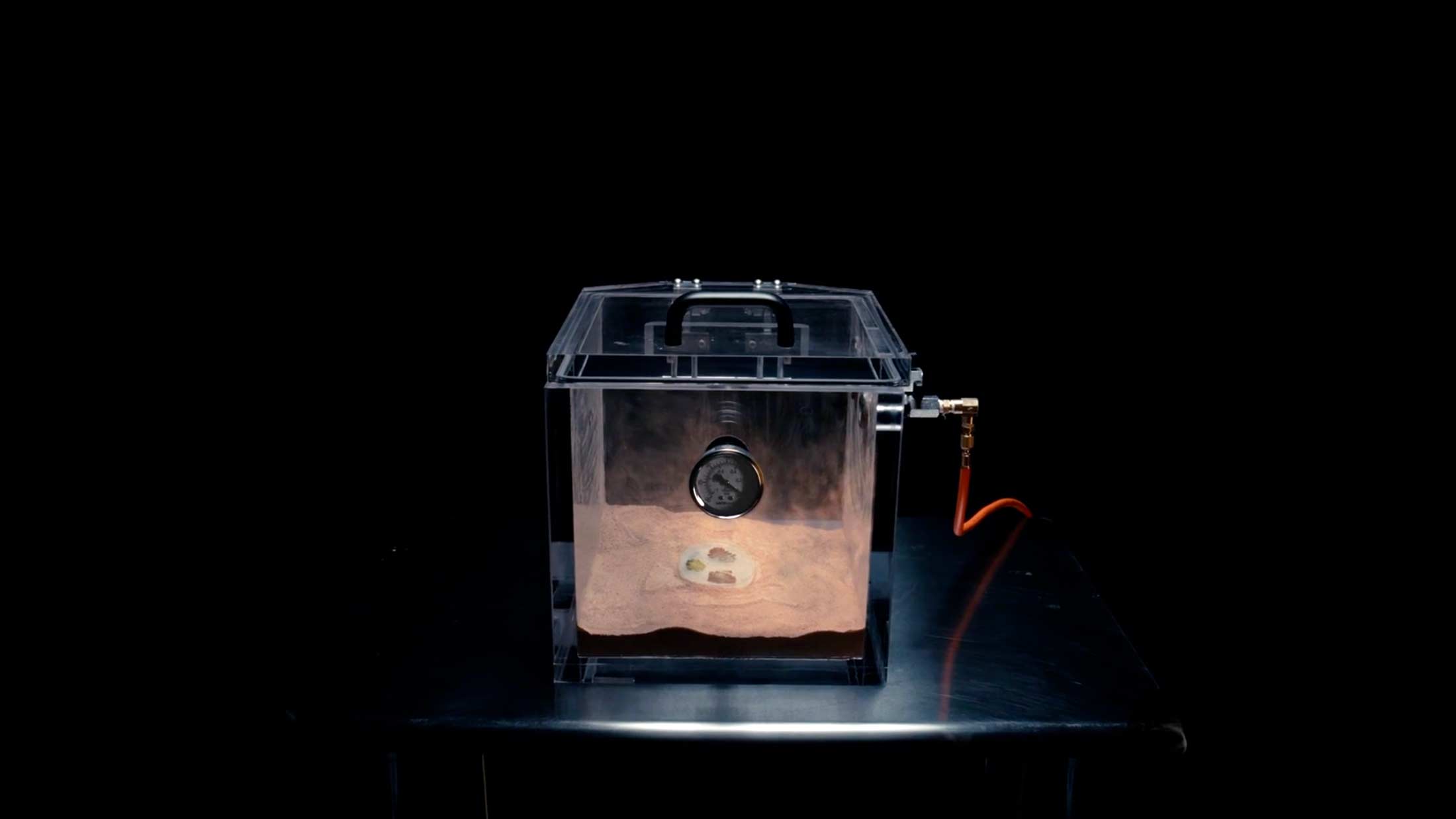
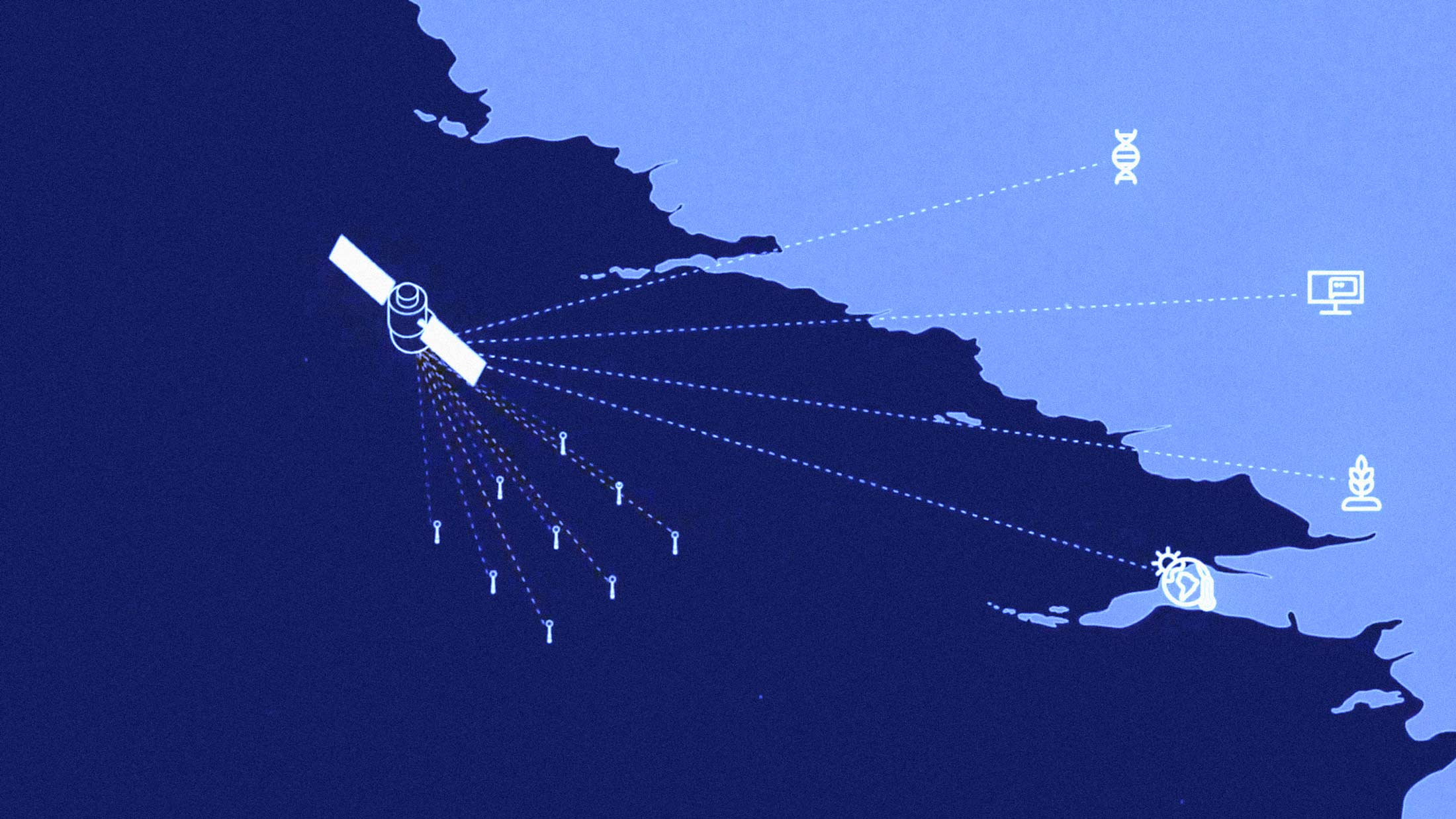
The company, a public benefit corporation founded in 2016, has spent a decade developing hardware it calls nodes. These are self-propelled, floating structures mass-produced from plate steel that operate far offshore with no anchor, no fuel, and no cable connection to land. As waves lift the device, water is forced into a pressurized reservoir, spinning a turbine to generate electricity continuously. Instead of transmitting power back to shore, Panthalassa uses it on the spot to run AI inference chips, sending results to land via satellite.
The cooling problem that plagues land-based data centers disappears when your compute cluster is surrounded by seawater. One investor, Lowercarbon Capital, claims the system could generate power at roughly two cents per kilowatt-hour.
The Grid's Breaking Point
The timing is not coincidental. America's grid is buckling under AI demand. According to the Department of Energy, data centers consumed about 4.4 percent of total U.S. electricity in 2023, and projections suggest that figure could reach 12 percent by 2028. The type of load growth the country is now experiencing has not occurred since the 1980s, per S&P Global Market Intelligence.
The stress is showing. In the PJM electricity market covering much of the Mid-Atlantic and Midwest, capacity market clearing prices for the 2026-2027 delivery year jumped to $329 per megawatt, more than ten times the $28.92 price from two years prior. Data center expansion is cited as a major contributing factor. Nearly half of U.S. AI data centers planned for 2026 have reportedly been canceled or delayed due to power constraints.
A single large AI training facility can consume 100 to 300 megawatts of power, equivalent to a small city. When multiple facilities cluster in the same region chasing fiber connectivity, they saturate local grid capacity. Building new transmission lines can take seven to ten years. Transformer backlogs stretch into 2029.
The Strategic Angle
Panthalassa's approach sidesteps these terrestrial bottlenecks entirely. Co-founder and CEO Garth Sheldon-Coulson frames ocean waves alongside solar and nuclear as one of only three sources with tens of terawatts of global capacity potential. The company plans to deploy its Ocean-3 pilot node series in the northern Pacific this year, with commercial deployments targeted for 2027.
This $140 million will complete a pilot manufacturing facility near Portland and scale node production. Previous prototypes, including one tested in Puget Sound in 2024, validated the core power generation and satellite communication systems.
John Doerr called the technology "a triple win" for workers, communities, and American technological leadership. Peter Thiel described the ocean as a new frontier for compute. Whether the platform can survive decades of operation in one of Earth's harshest environments remains the open question. Plenty of ocean energy ventures have broken on those rocks before.
But the investor list suggests serious conviction. And with the alternative being a five-year wait for grid upgrades, regulators warming to new energy frameworks, and AI companies willing to try nearly anything for power, the ocean is looking more attractive by the month.