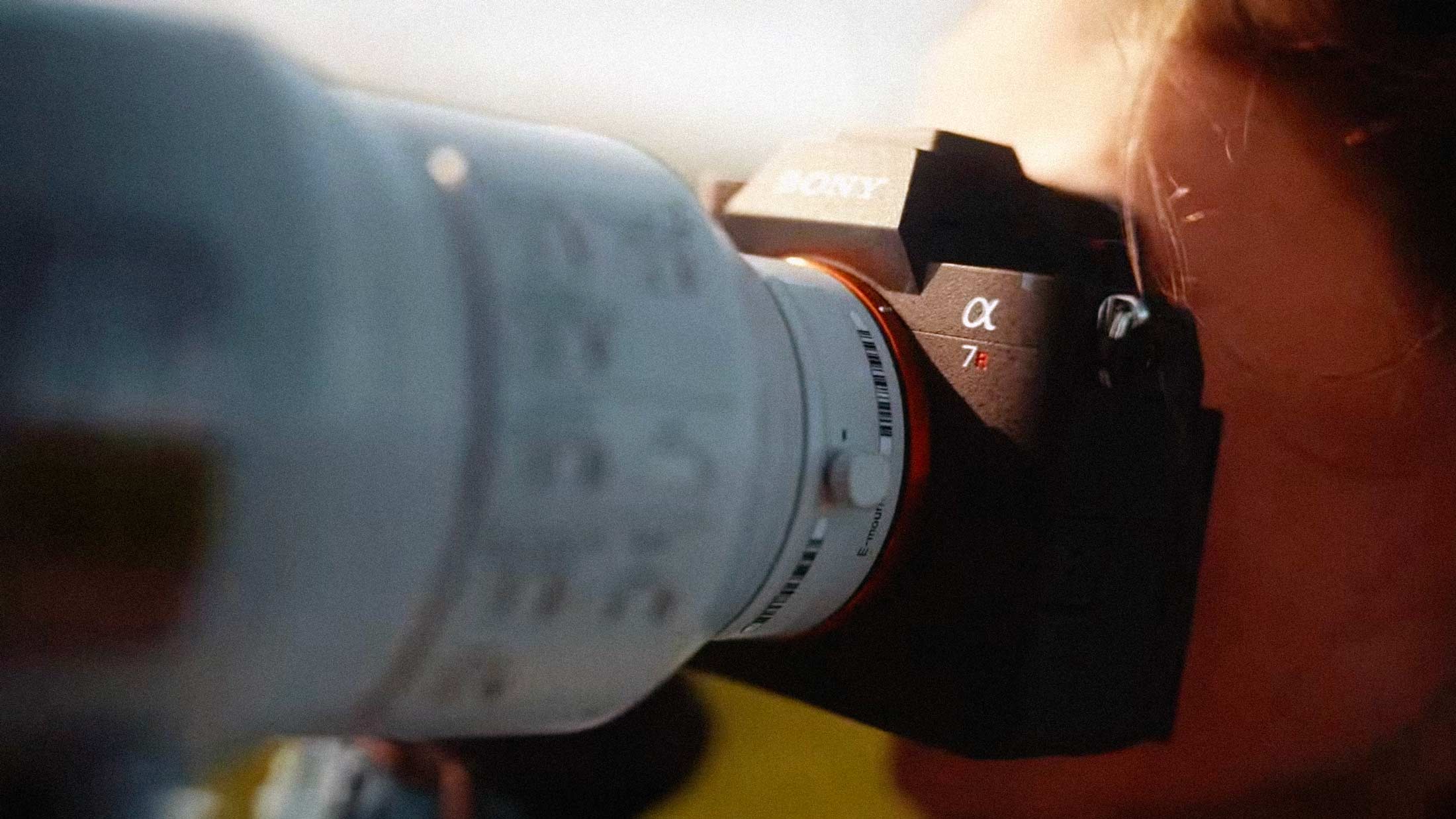
Sony has officially unveiled the A7R VI, the sixth generation of its high-resolution mirrorless camera line, and for the first time in the series, the company has paired extreme megapixel counts with genuine speed. The new camera ships in June for $4,499.
The core change is the sensor architecture. The A7R VI moves from the 61MP back-side illuminated CMOS sensor in the A7R V to a 66.8MP stacked design. That distinction matters: stacked sensors include an additional processing layer behind the photodiodes, which dramatically accelerates readout speeds. According to Sony, the A7R VI's sensor reads out roughly 5.6 times faster than its predecessor, a gain that affects everything from rolling shutter performance to burst shooting.
The practical result is 30fps continuous shooting with 14-bit RAW capture, full autofocus, and auto exposure updating around 60 times per second. Previous A7R cameras topped out at 10fps. For photographers who work in fast-moving environments but still need maximum resolution for cropping or large prints, this closes a gap that previously required owning both an A7R and an A1.
What's Inside
Sony's new BIONZ XR2 processor powers the system, paired with the company's latest AI autofocus engine. In-body image stabilization has improved from 8 stops on the A7R V to 8.5 stops here, a modest but welcome bump when shooting handheld at high resolution. Sony has also upgraded the electronic viewfinder, claiming it is three times brighter than the A7R V's EVF while retaining the same 9.44 million-dot resolution.
Video gets meaningful improvements. The A7R VI records 8K at up to 30fps with a 1.2x crop, oversampled from 8.2K. Full-frame 4K is available at 60fps with 5K oversampling, and 4K at 120fps is now possible with a minor crop. A new dual-gain readout mode, available up to 4K30p, promises improved dynamic range for video work. Sony claims up to 16 stops of dynamic range when using the mechanical shutter with dual conversion gain HDR enabled.
Notably, Sony has introduced a new battery system for the first time since 2017. The NP-SA100 battery is not compatible with previous Alpha bodies, which may frustrate photographers with large existing battery collections. The tradeoff: battery life has improved by roughly 17 percent, with Sony rating the camera at 600-710 shots depending on shooting conditions.
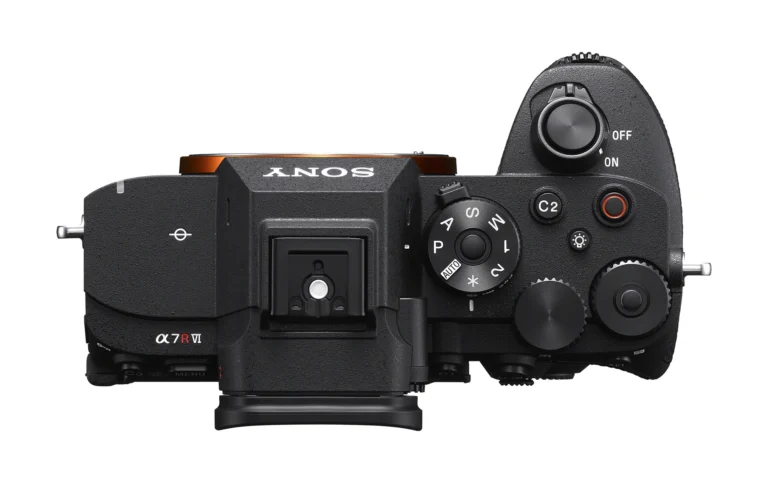
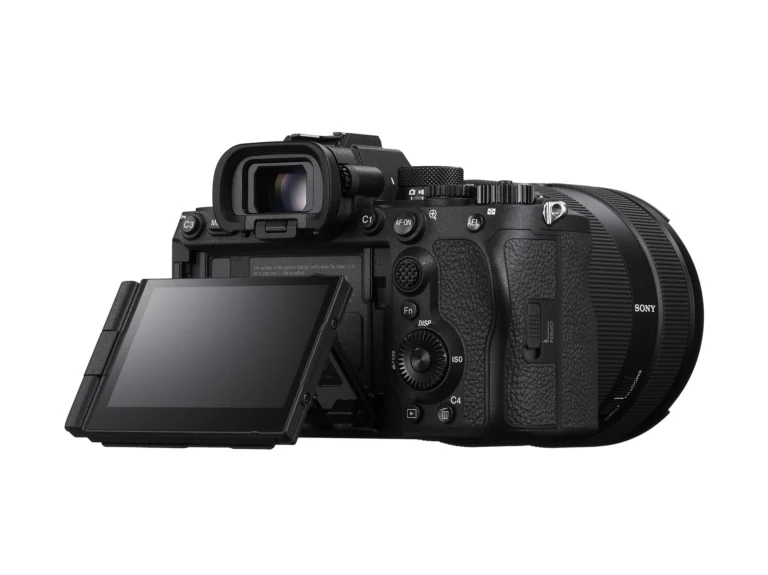
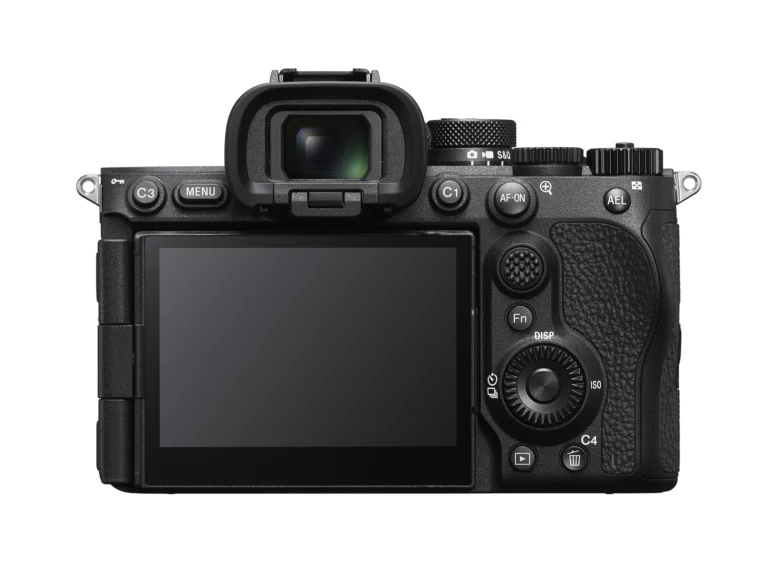
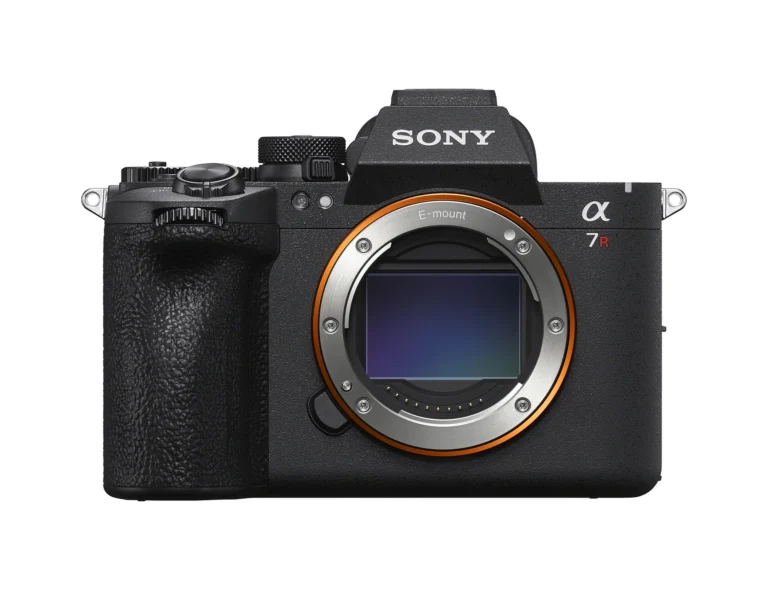
Spec Comparison: A7R VI vs A7R V
| Specification | A7R VI | A7R V |
|---|---|---|
| Sensor | 66.8MP Stacked CMOS | 61MP BSI CMOS |
| Processor | BIONZ XR2 | BIONZ XR |
| Continuous Shooting | 30fps (electronic) | 10fps |
| IBIS | 8.5 stops | 8 stops |
| Video (Max) | 8K30p, 4K120p | 8K24p, 4K60p |
| EVF Brightness | 3x brighter than A7R V | Baseline |
| Battery | NP-SA100 (new) | NP-FZ100 |
| Price (Body Only) | $4,499 | $3,899 (launch) |
The Bigger Picture
The A7R VI arrives at an inflection point for Sony's lineup. The A1 II, priced around $6,500, has been Sony's speed king, while the A7R V held the resolution crown. The new camera blurs that distinction. With similar burst performance and higher resolution than the A1 II, the A7R VI undercuts Sony's own flagship by roughly $2,000 while offering more megapixels.
Sony announced the A7R VI alongside a new FE 100-400mm f/4.5 G Master lens, a constant-aperture telephoto designed for wildlife and sports photographers who want to pair reach with high-resolution bodies. The lens features an internal zoom mechanism for better balance and weather sealing.
The competitive context is worth noting. Canon's EOS R5 Mark II and Nikon's Z8 both offer compelling hybrid performance, though neither matches the A7R VI's resolution. For photographers whose work depends on cropping flexibility or large-format output, the Sony remains the pixel-density leader. The question now is whether the computational demands of AI and video processing will continue to push camera prices upward. At $4,499, the A7R VI costs $600 more than the A7R V did at launch.
Sony will host hands-on sessions at its Alpha In Residence event in New York City on May 14-15. Pre-orders are open now, with shipping expected in early June.