Eighty years ago today, engineer Masaru Ibuka and physicist Akio Morita pooled about 190,000 yen and eight employees in the wreckage of a bombed-out department store in Tokyo's Nihonbashi district. The company they founded on May 7, 1946, Tokyo Tsushin Kogyo, would become Sony. The decades since have seen the conglomerate shape and reshape global consumer electronics, music, film, and gaming.
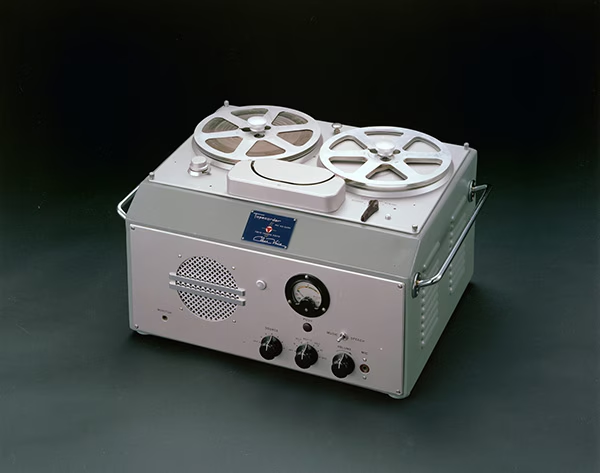
The founding came amid acute postwar scarcity. Materials were hard to source, capital was thin, and demand for anything beyond survival basics was muted. The company's first consumer product, an electric rice cooker, failed. But by 1950, Ibuka's team had built Japan's first domestically designed tape recorder, the Type-G, signaling a shift from repair work to original product development.
A Chronology of Firsts
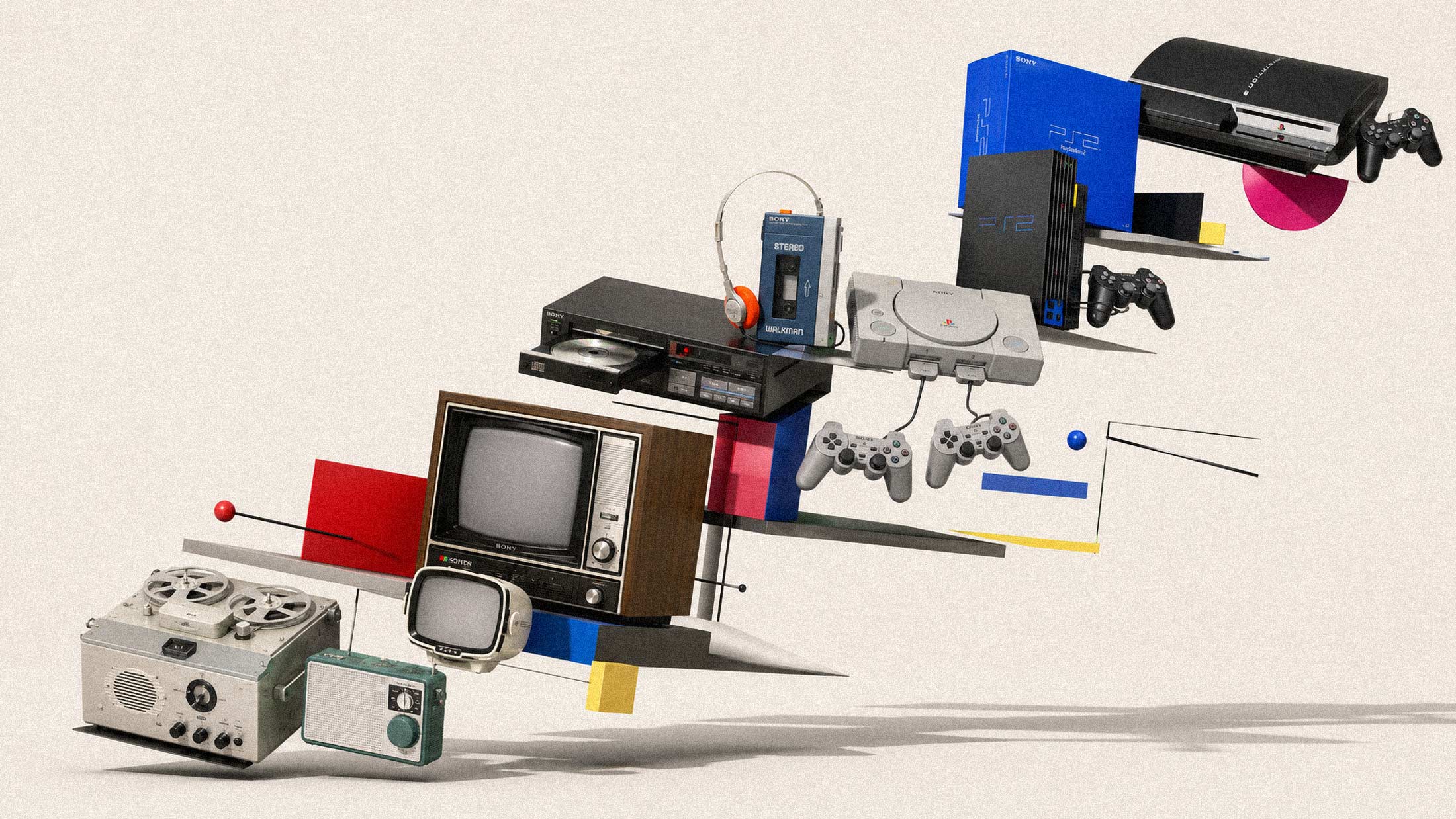
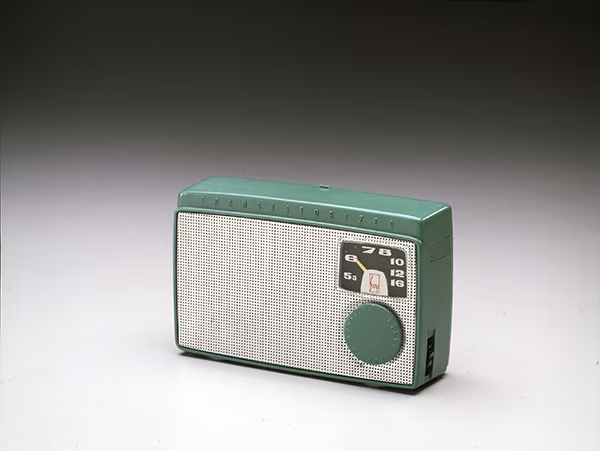
The transistor changed everything. In 1952, Ibuka convinced Bell Labs to license transistor technology to his small Japanese company. Bell recommended hearing aids as the application; Ibuka ignored them. By August 1955, Tokyo Tsushin Kogyo released the TR-55, Japan's first commercially produced transistor radio. The TR-63, launched in 1957, became what a University of Arizona professor described as the product that "cracked open the U.S. market and launched the new industry of consumer microelectronics."
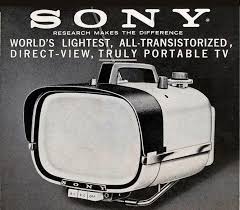
The company adopted the name Sony in 1958, a portmanteau of the Latin "sonus" and the American slang "sonny." The name was easy to pronounce in any language. In 1960, Morita established Sony Corporation of America, and the company began its transformation into a global brand. That year also brought the TV8-301, the world's first portable all-transistor television.
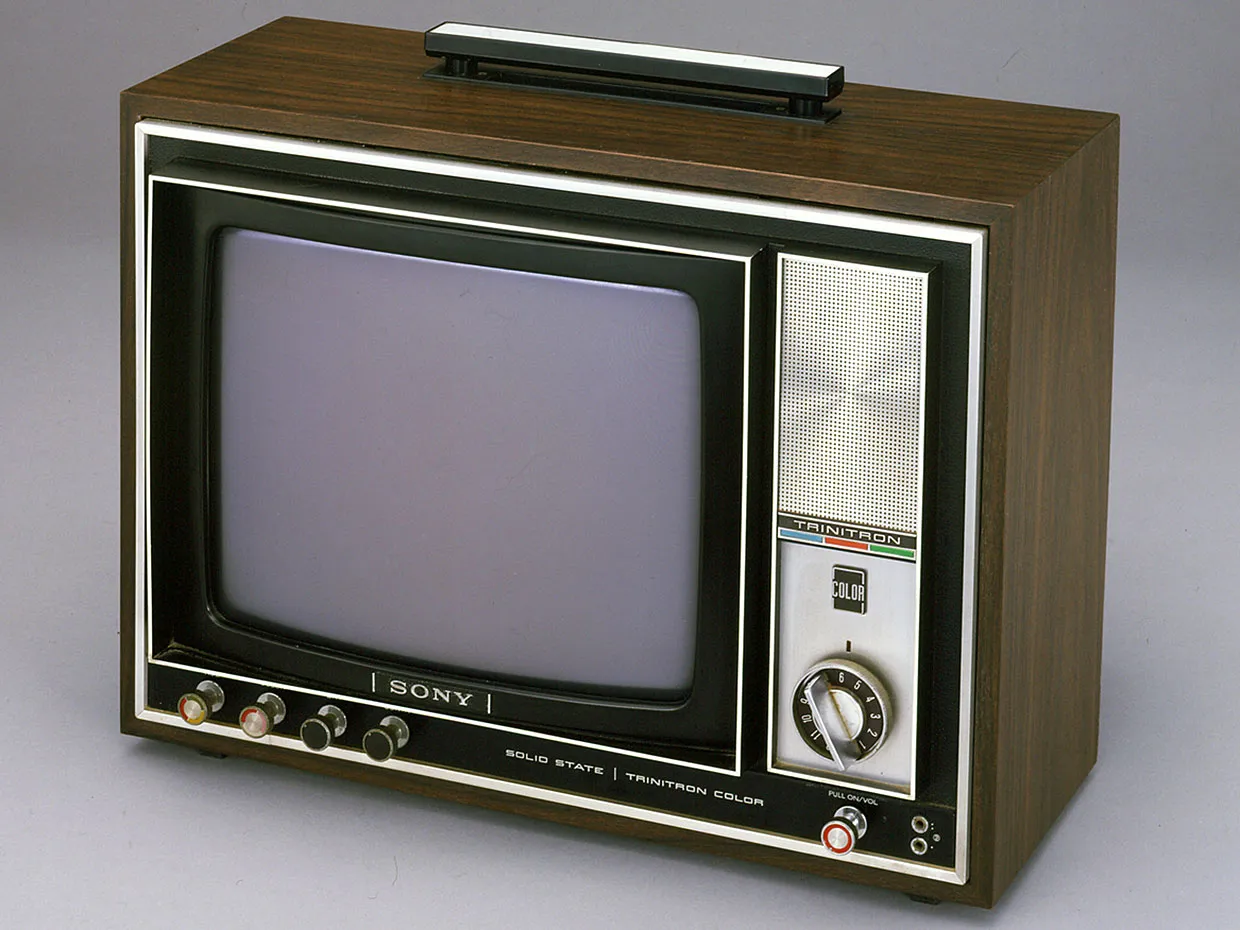
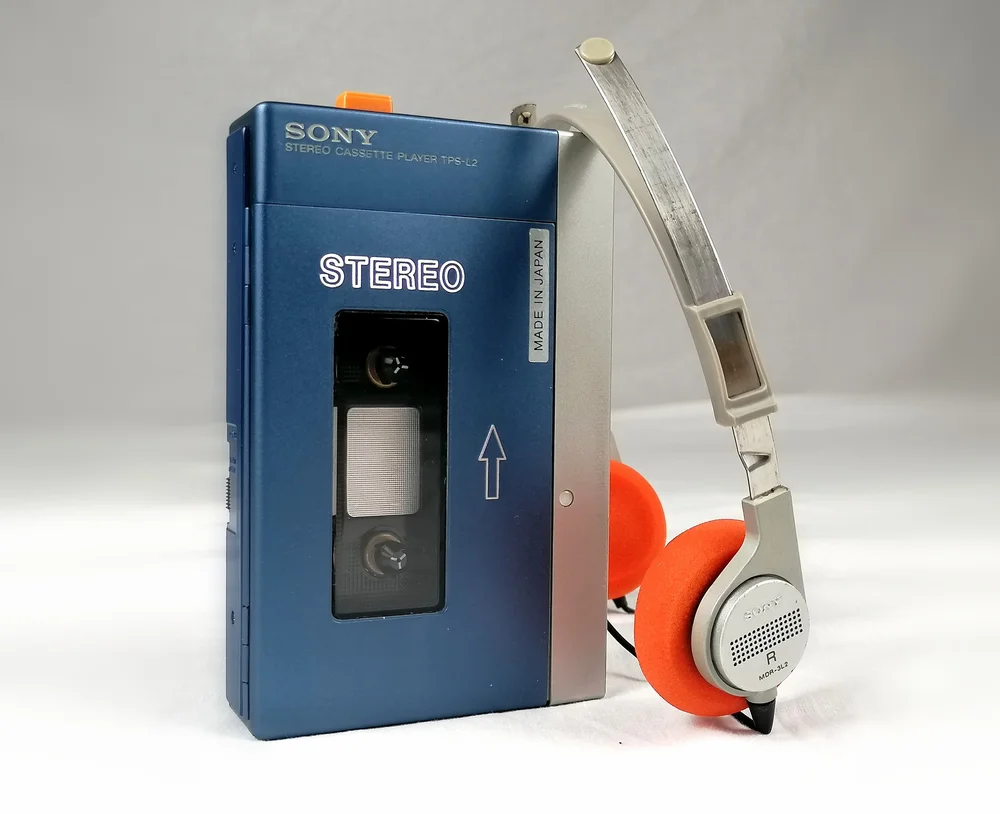
The 1968 Trinitron color TV earned Sony its first Emmy and cemented its reputation for premium quality. The 1970 listing on the New York Stock Exchange made Sony the first Japanese company to trade there. In 1979, the Walkman TPS-L2 landed, defying Sony engineers who doubted anyone would buy a device that could only play, not record. Morita reportedly said he would resign if it failed. It sold over 220 million units across its lifespan.
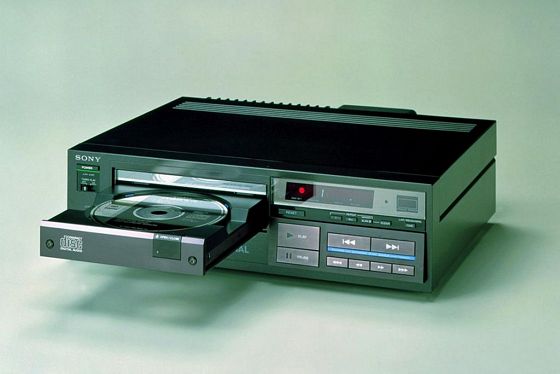
Sony co-developed the compact disc with Philips in 1982, launched the CDP-101 CD player in 1981, and introduced the 3.5-inch floppy disk that same decade. By 1988 and 1989, the company had acquired CBS Records for $2 billion and Columbia Pictures for $3.4 billion, extending its reach into content.
Revolutionary Products: A Timeline
| Year | Product | Significance |
|---|---|---|
| 1950 | Type-G Tape Recorder | Japan's first domestically designed tape recorder |
| 1955 | TR-55 Transistor Radio | Japan's first commercially produced transistor radio |
| 1960 | TV8-301 | First portable all-transistor television |
| 1968 | Trinitron | Emmy-winning color television technology |
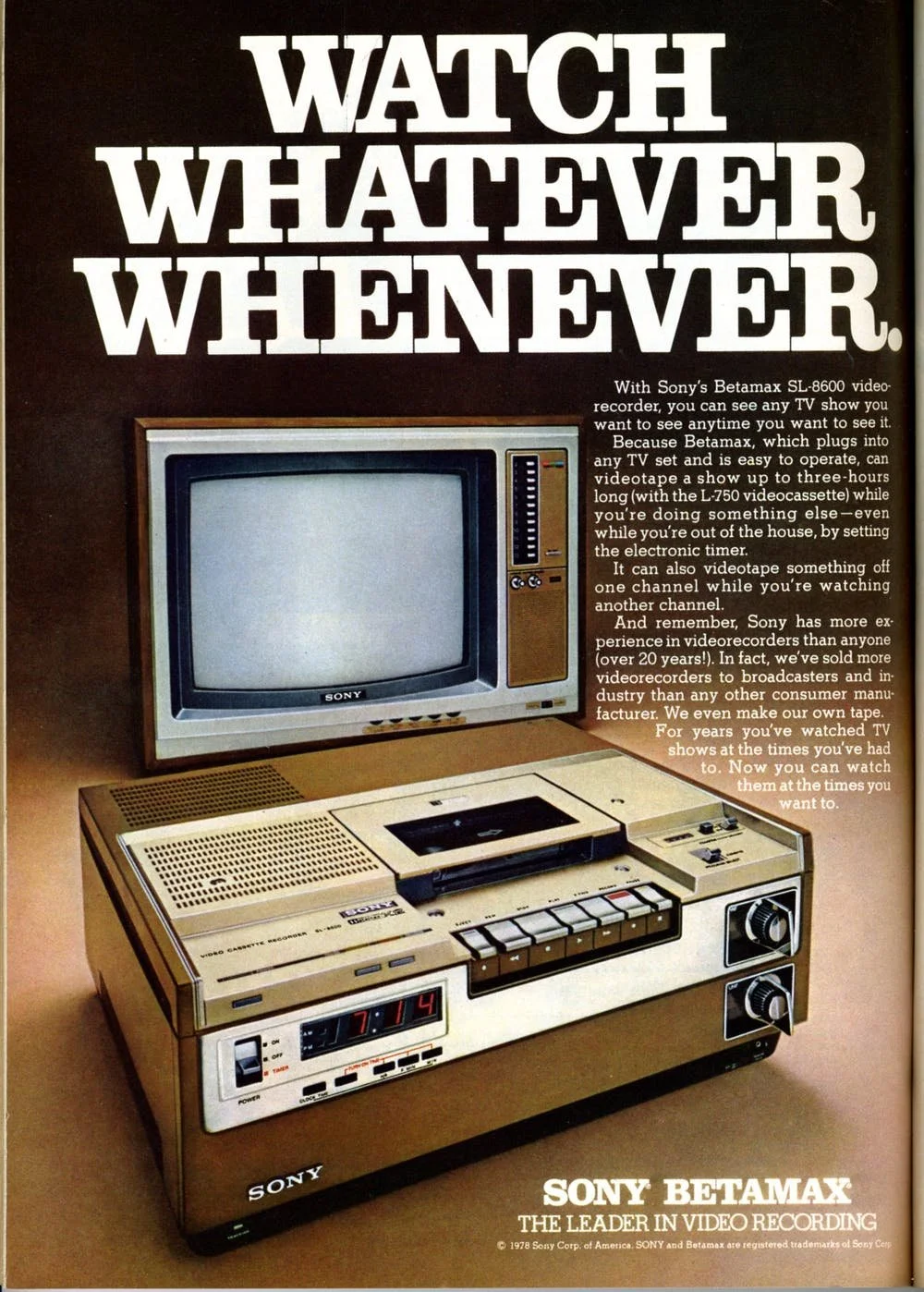
| 1975 | Betamax | First home videocassette format (lost to VHS) |
| 1979 | Walkman TPS-L2 | Pioneered portable personal audio |
| 1982 | CDP-101 CD Player | World's first consumer CD player (with Philips) |
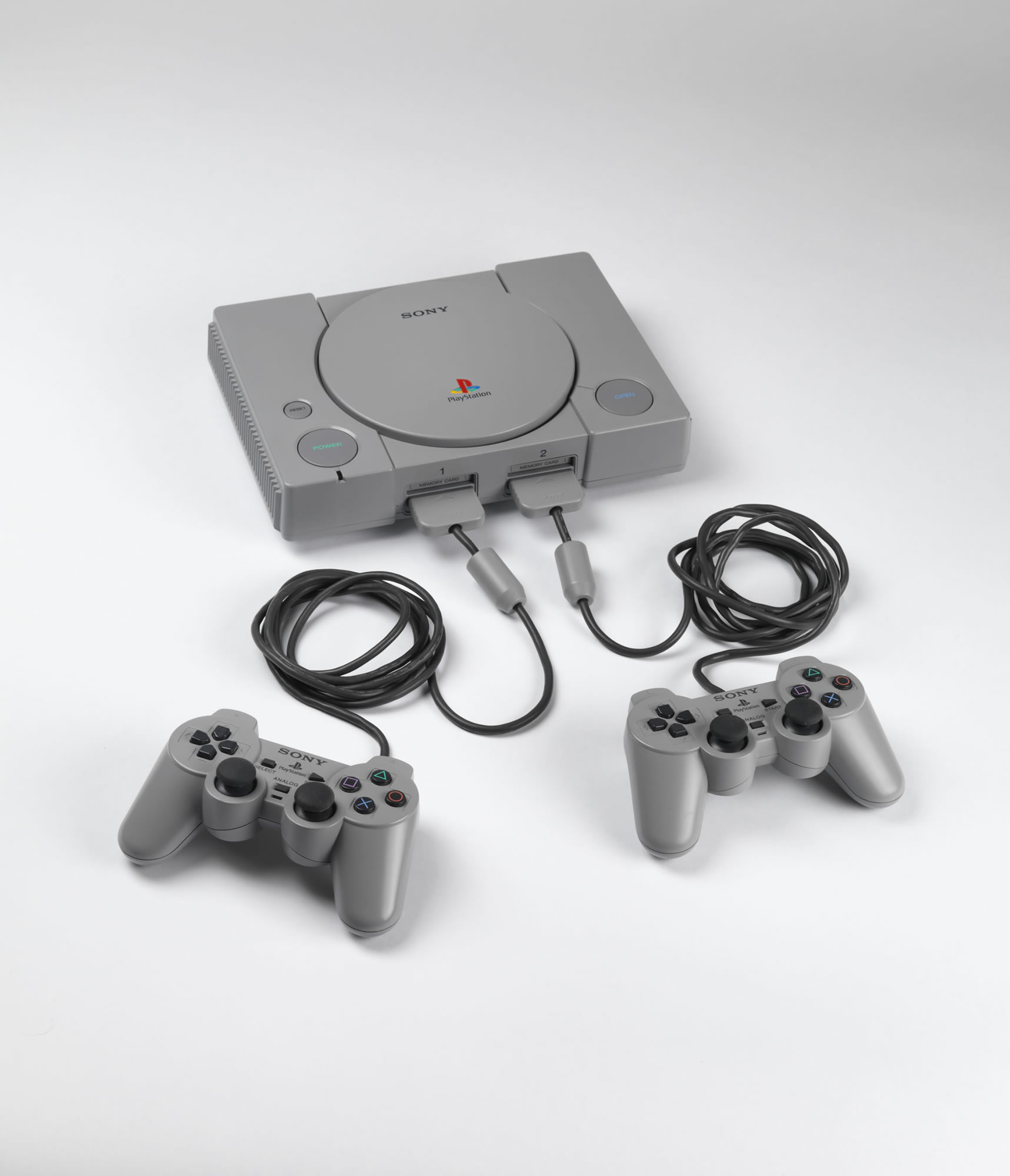
| 1994 | PlayStation | Launched Sony's dominance in gaming |
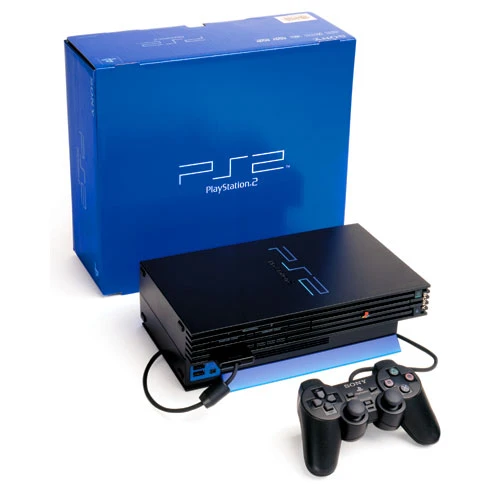
| 2000 | PlayStation 2 | Best-selling console ever (155+ million units) |
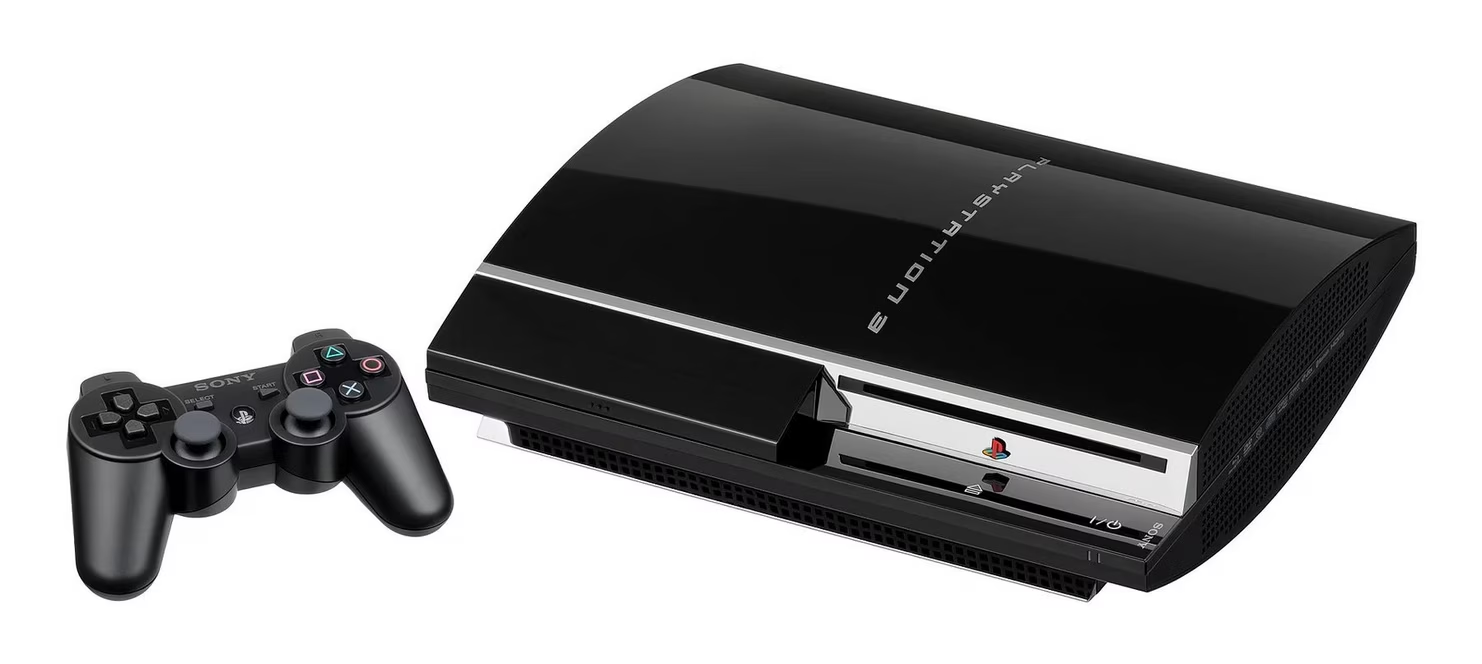
| 2006 | PlayStation 3 / Blu-ray | Won the HD format war against HD DVD |
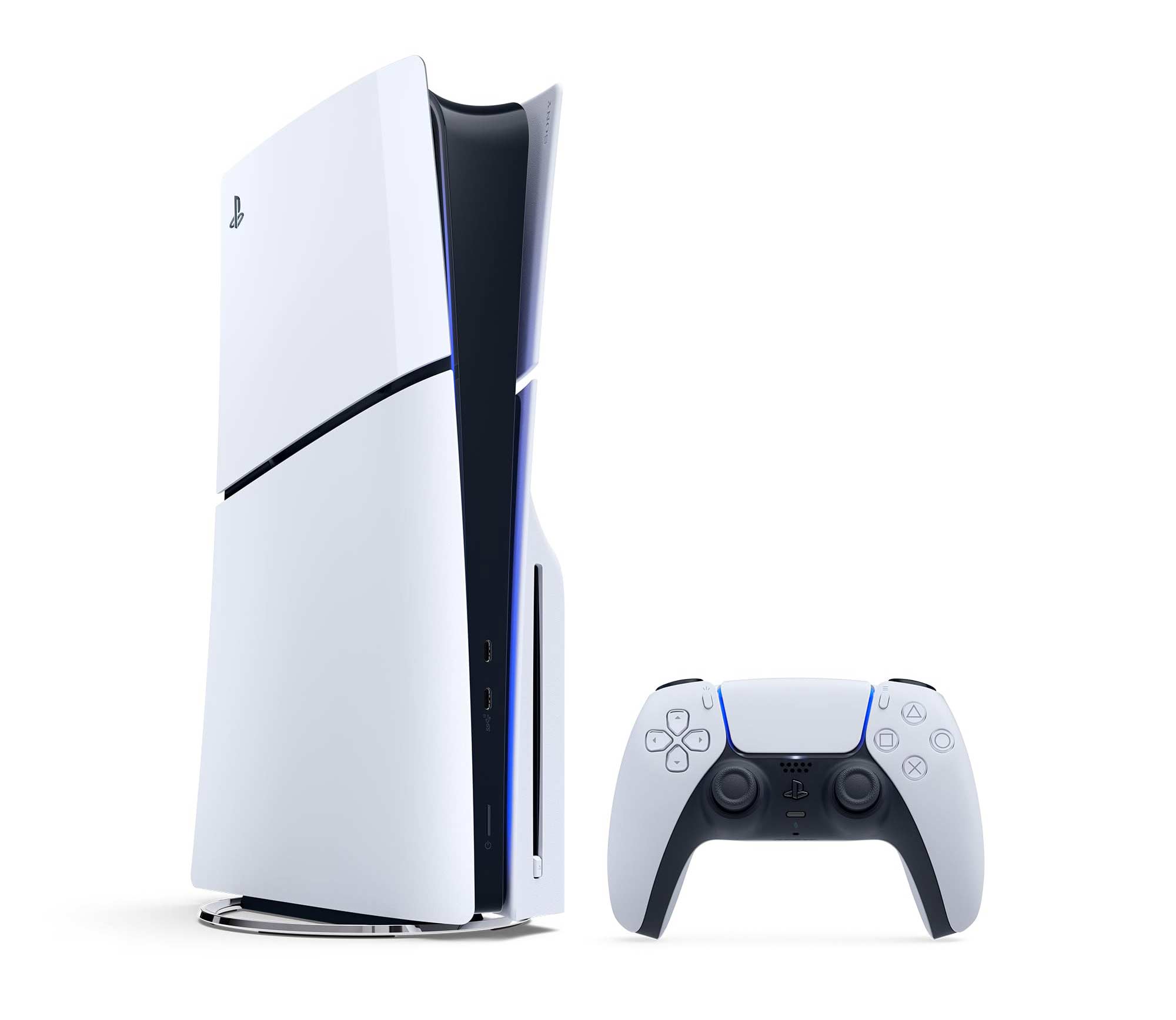
| 2020 | PlayStation 5 | Current-gen flagship, 92+ million units sold |
Gaming and the PlayStation Era
The PlayStation, launched in 1994, emerged from a failed partnership with Nintendo. Sony Computer Entertainment turned that setback into a dynasty. The PlayStation 2, released in 2000, became the best-selling video game console of all time with over 155 million units shipped. The PlayStation 5, now approaching its sixth year on the market, recently surpassed the PlayStation 3's lifetime sales of 87.4 million units. As of Sony's Q3 fiscal year 2025 report, PS5 has reached 92.2 million units globally.
The gaming division now represents Sony's largest revenue contributor. PlayStation Network has grown to 132 million monthly active users. The company's semiconductor business has become a profit engine as well, supplying image sensors to major smartphone manufacturers worldwide.
2026: Breakthroughs and Setbacks
Sony enters its 80th year with momentum and turbulence running parallel. On the innovation front, Sony AI announced in April that its Project Ace table tennis robot had achieved what it described as the first real-world autonomous system competitive with elite and professional human players. The research was published on the cover of Nature. Sony's Chief Scientist Peter Stone called it "a landmark moment in AI research" demonstrating that AI can "perceive, reason, and act effectively in complex, rapidly changing real-world environments."
At NAB 2026, Sony debuted its "R Series" system camera lineup, expanding dynamic range and introducing multi-sensitivity modes borrowed from cinema cameras. The company also announced 18 new professional displays earlier this year, including the Crystal LED S Series and redesigned BRAVIA Professional Displays.
But not everything has gone Sony's way. The company's electric vehicle ambitions through Sony Honda Mobility collapsed in March. The joint venture announced it would discontinue development of both the Afeela 1 sedan and a second unnamed model after Honda reassessed its electrification strategy. By April 21, Sony and Honda agreed to scale down the venture entirely, with nearly all employees being reassigned to parent companies. The Afeela program had been in development since 2020 and was months from customer deliveries when it was canceled.
PlayStation 5 sales saw a brief surge in early April as consumers rushed to buy before a significant price increase took effect on April 2. The PS5 Digital Edition now costs $599.99, up from its $399.99 launch price. Whether GTA 6 can sustain hardware momentum later this year remains an open question.
At 80, Sony remains what it has been since Ibuka and Morita scraped together capital in that ruined department store: a company willing to bet on the next technology, sometimes winning, sometimes losing, but rarely standing still.