Elon Musk announced today on X that xAI will cease to exist as a distinct entity. "xAI will be dissolved as a separate company, so it will just be SpaceXAI, the AI products from SpaceX," he wrote. The rebranding formalizes what has been functionally true since February, when SpaceX acquired xAI in an all-stock transaction valued at $1.25 trillion.

This marks the final chapter of a rapid-fire consolidation. In March 2025, xAI absorbed X (formerly Twitter) at a $33 billion valuation. Nine months later, SpaceX swallowed both. The xAI brand, founded less than three years ago, is now officially retired.
The Muskonomy Consolidates
The dissolution tracks a familiar pattern. Musk has long shuffled ownership, branding, and capital between his ventures when it serves a strategic purpose. Tesla's 2016 acquisition of SolarCity was the template. What's different now is the scale: SpaceX, valued at over $1 trillion, now directly controls one of the world's largest AI supercomputers, the Colossus cluster in Memphis, plus X's global distribution platform and Grok's model ecosystem.
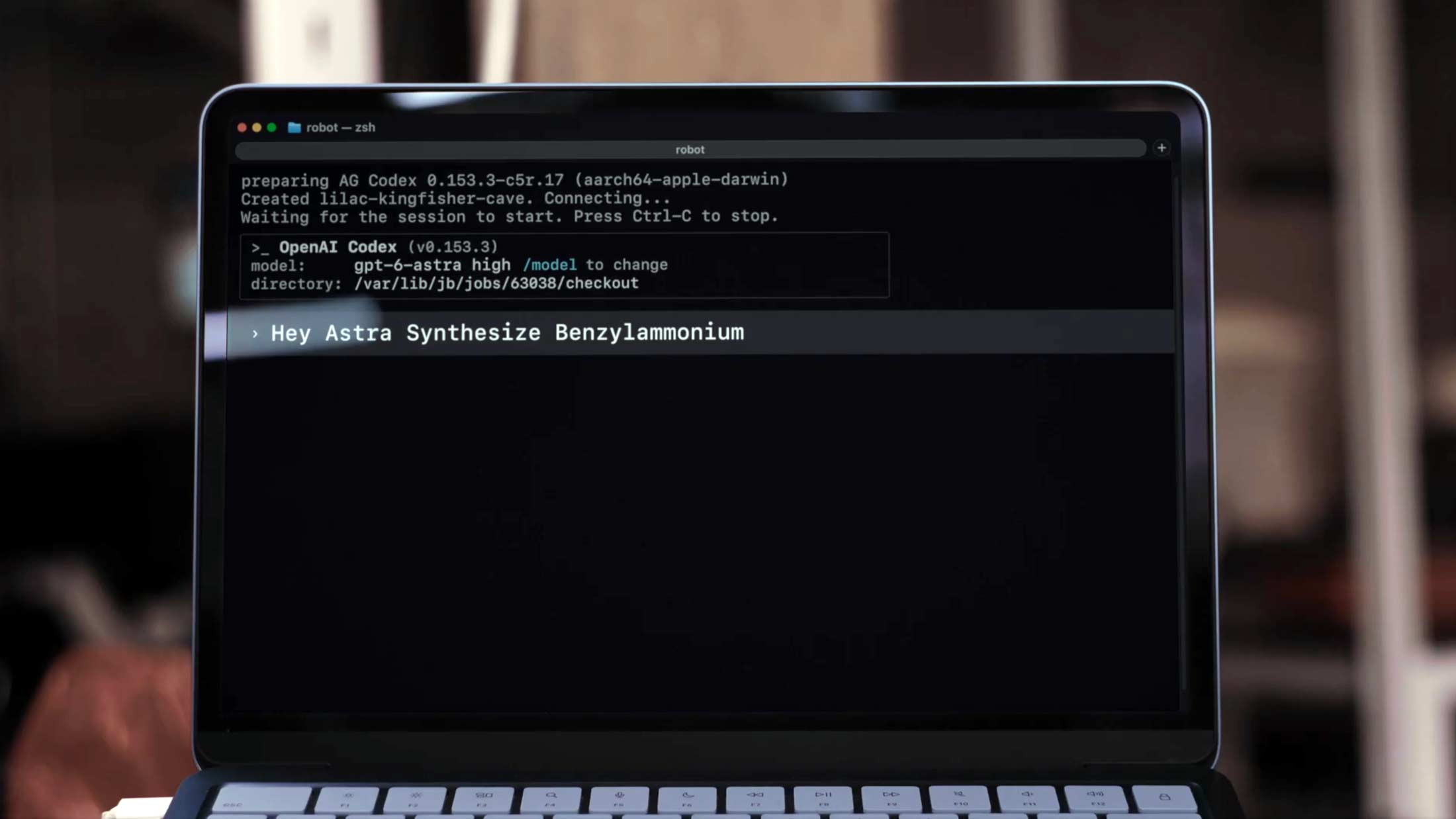
The SpaceXAI branding has already appeared in corporate communications. An announcement on the xAI website this week described a new compute partnership with Anthropic using the SpaceXAI name. Similarly, an April deal with AI coding startup Cursor referred to the AI division as SpaceXAI.
The rebrand also clarifies leadership. Following the February acquisition, xAI underwent a comprehensive restructuring. All 11 original co-founders besides Musk have departed. Michael Nicolls, previously VP of SpaceX's Starlink, was appointed xAI president in April. The cultural integration is complete.
Why Now?
SpaceX is reportedly targeting a $2 trillion IPO, possibly as early as this summer. A cleaner brand architecture makes sense ahead of public markets. Investors want to see one company, not a nested stack of acquisitions with ambiguous relationships. SpaceXAI makes the AI division legible within the broader SpaceX story: rockets, satellites, AI compute, all under one umbrella. The Anthropic compute deal and the company's stated goal of orbital data centers fit that narrative.
There's also a financial logic. xAI was reportedly burning around $1 billion per month before the acquisition. SpaceX, which generates most of its revenue from launching Starlink satellites, provides cash flow stability that xAI lacked as a standalone. The dissolution tidies up the balance sheet.
For observers of Musk's corporate empire, the xAI dissolution is less a surprise than an inevitability. The companies were already sharing personnel, compute, and capital. Grok is being integrated into Tesla vehicles. Tesla sells Megapacks to xAI's data centers. The boundaries were always porous.
What changes now is the name on the letterhead. SpaceXAI will handle AI products; SpaceX will handle rockets. Whether the market buys that framing depends on the IPO prospectus and how cleanly Musk can separate ambition from execution. That has historically been his weak point.