Anthropic announced today a coalition of partnerships with some of the most widely used creative software companies in the world, bringing Claude directly into the tools that designers, musicians, and visual artists already depend on. Nine new connectors now link Claude to Adobe Creative Cloud, Blender, Autodesk Fusion, Ableton, Splice, Affinity, SketchUp, and Resolume.
The move marks Anthropic's clearest signal yet that it sees creative professionals as a critical frontier for AI adoption.
What the Connectors Actually Do
Each connector exposes different capabilities depending on the platform. The Adobe connector taps into more than 50 tools across Creative Cloud apps including Photoshop, Premiere, and Express, enabling users to retouch images, design social assets, and resize videos through conversational prompts. Autodesk Fusion lets designers and engineers create and modify 3D models through conversations with Claude. Blender's integration, built using the open Model Context Protocol, allows 3D artists to analyze entire scenes, debug setups, and batch-apply changes via natural language.
For music producers, the Ableton connector grounds Claude's answers in official Live and Push documentation, while Splice lets users search its catalog of royalty-free samples without leaving Claude. Resolume Arena and Wire give VJs real-time natural language control over live performances. SketchUp turns a description of a room, furniture piece, or site concept into a starting point for 3D modeling that users can then refine in the application.
Anthropic has also joined the Blender Development Fund as a corporate patron, with funding earmarked for maintaining and improving the Python API that makes these integrations possible. The Blender connector is built on MCP and accessible to other large language models as well, reflecting the foundation's commitment to open source.
The Strategy: Embed, Don't Replace
Anthropic is positioning Claude as a productivity layer within existing software ecosystems rather than a standalone alternative. This approach reduces the friction that typically slows AI tool adoption in professional settings. By integrating with tools that creatives already trust and use daily, the company is betting that users will reach for Claude assistance as a natural extension of their existing workflows.
The practical applications span learning complex software, writing scripts and plugins, bridging tools in multi-app pipelines, and handling repetitive production tasks like batch processing. As Anthropic put it, "Claude can't replace taste or imagination, but it can open up new ways of working."
The Data Angle
There is a strategic dimension here that goes beyond immediate productivity gains. Anthropic's consumer data policies already allow the company to train models on Free, Pro, and Max user interactions when users opt in. While commercial tiers like Claude for Work and API access remain excluded from training by default, the creative tool connectors could generate valuable signals about how professionals actually work with complex software.
This positions Anthropic to accumulate domain-specific training data on 3D modeling workflows, music production techniques, and design processes that competitors may struggle to replicate. The company is also partnering with art and design programs including Art and Computation at Rhode Island School of Design, Fundamentals of AI for Creatives at Ringling College of Art and Design, and the MA/MFA Computational Arts program at Goldsmiths, University of London. Students and faculty will get access to Claude and the new connectors, with their feedback helping shape what creative practitioners need from these tools.
What This Means for Creative Work
The connector release arrives just eleven days after Anthropic launched Claude Design, which knocked seven percent off Figma's stock in a single day. That product targeted non-designers who need to get from an idea to something visual quickly. These connectors target the opposite end of the market: professionals who already know their tools and want AI assistance within them.
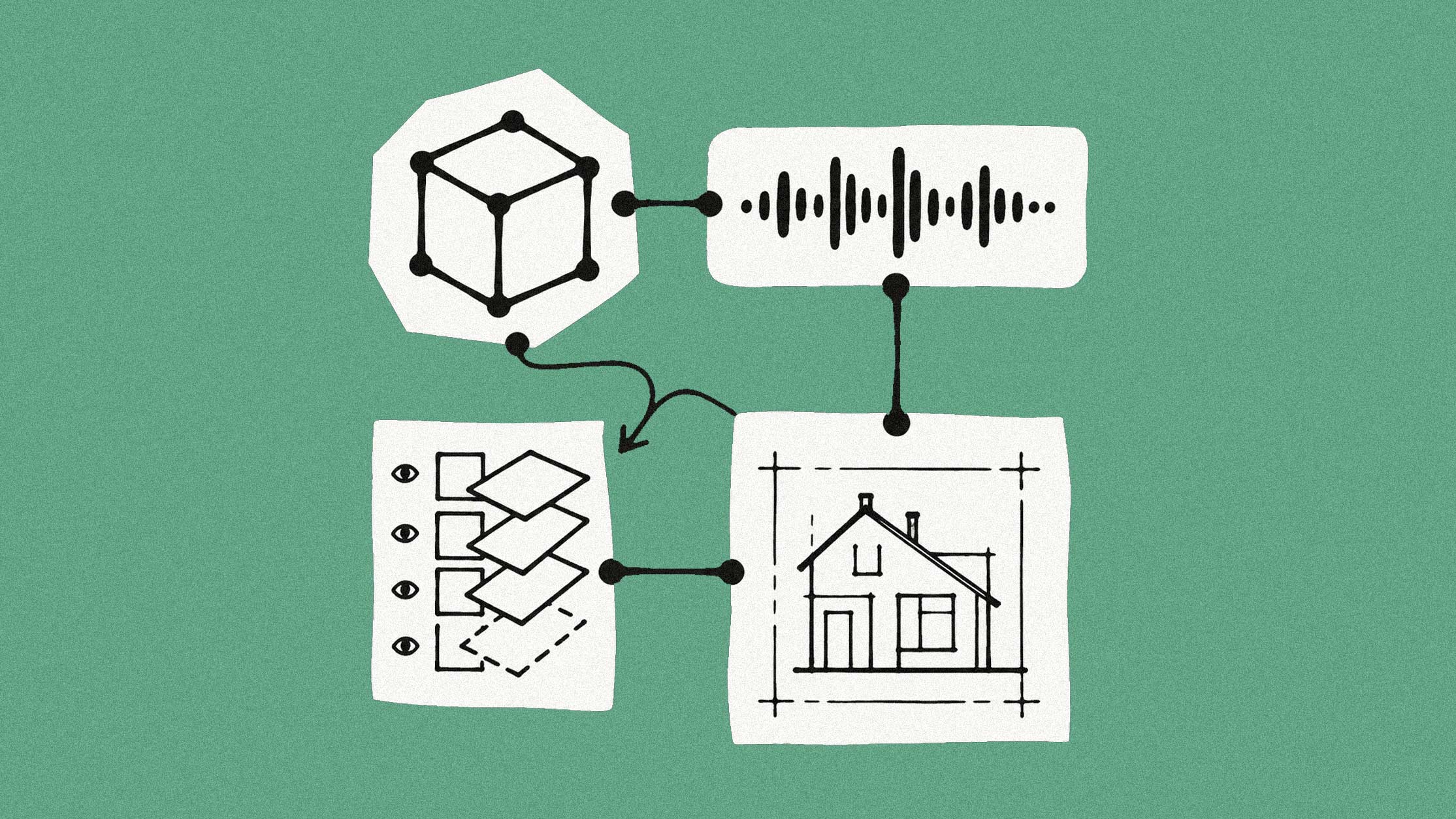
The ability to chain multiple connectors together opens possibilities for complex multi-tool workflows. A music producer could search samples in Splice, import them into Ableton, and manage the project through Claude without switching contexts. A 3D artist could describe a concept in SketchUp, refine it in Blender, and batch-process assets across the scene.
All nine connectors are available immediately across all Claude plans. For teams considering adoption, the practical questions will center on authorization granularity, audit logs, and rollback mechanisms for model-driven changes. Claude Opus 4.7, Anthropic's latest model for advanced software engineering, powers much of this functionality.