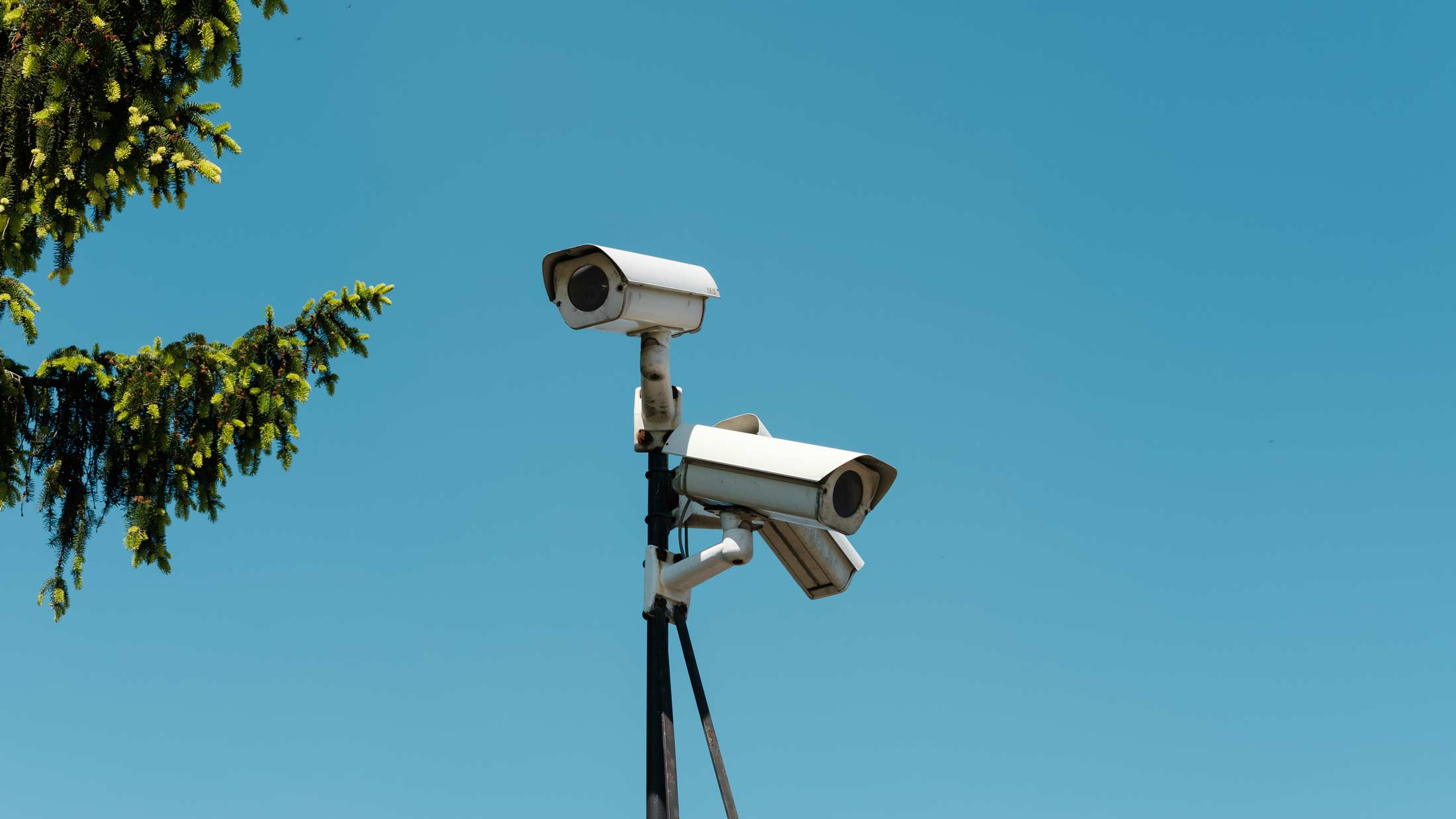
Boston has terminated its relationship with Flock Safety, the dominant provider of automated license plate reader cameras, after a vendor error exposed the city's surveillance data to law enforcement agencies across the country.
The breach of contract was disclosed in Boston's 2025 Surveillance Technology Report, released to the City Council this week. According to the report, Boston Police Department had entered into a 156-day pilot with Flock from April 1, 2025 to September 4, 2025, deploying 45 cameras across the city at no cost. The contract explicitly required data sharing to remain disabled. BPD confirmed with Flock that the settings were configured correctly before the pilot began.
Three days later, detectives discovered the promise had been broken. Other law enforcement agencies could access Boston's license plate and vehicle information through a nationwide lookup feature that Flock had enabled by mistake, according to the city's report.
Mayor Michelle Wu confirmed the city's decision in a radio interview with GBH's Boston Public Radio. "We have actually abandoned Flock," Wu said, adding that when access controls "are set—but then can be unset, or reset, in ways that violate that policy, we would not use that platform."
The Scale of Exposure
The full extent of the data exposure remains unclear. During the three-day window of open access, any of the thousands of agencies connected to Flock's national network could have searched Boston's data without restriction. Flock operates more than 120,000 cameras across 6,000 communities in 49 states, logging an estimated 20 billion license plate scans per month. Officers using the system do not need a warrant or subpoena to run queries.
After BPD discovered the error and demanded Flock disable the sharing feature, the city still received 77 formal requests from outside agencies seeking access to its data over the remainder of the pilot. Those requests came from a range of sources: the U.S. State Department, the Bureau of Alcohol, Tobacco, Firearms and Explosives, the Drug Enforcement Administration, Massachusetts State Police, Maine State Police, and local departments including Brookline and Watertown. The investigations cited ranged from homicides and drug trafficking to counterfeit currency and a fraudulent Uber driver. The report does not specify which requests were granted.
An internal audit also flagged problems with how Boston officers used the system. Detectives conducted 11,004 database searches during the pilot, and roughly half lacked proper case number documentation.
A Broader Pattern
Boston's exit adds to a growing list of Massachusetts communities reconsidering their relationship with Flock. More than two dozen jurisdictions in the state have dropped or paused contracts over the past 18 months. The reasons vary: privacy concerns, data-sharing risks, and documented cases of officer misuse. In Stow, a police officer resigned after the department alleged he used Flock to look up a personal acquaintance for no law enforcement purpose. The town subsequently removed all its cameras. In New Bedford, an officer was placed on administrative leave amid allegations she used the system to track her ex-girlfriend.
Flock Safety did not respond to requests for comment from WBUR or other outlets reporting on the disclosure.
The backlash extends beyond Massachusetts. Privacy advocates, including the Electronic Frontier Foundation, have documented patterns of misuse across the country, including officers entering search justifications like "LOL" and "idk." A lawsuit in Virginia revealed that one driver was logged 526 times by 176 Flock cameras over a four-month period. On Beacon Hill, state lawmakers are now weighing regulations that would impose statewide guardrails on automatic license plate reader systems.
Boston Moves On
The city has not abandoned license plate surveillance technology altogether. Boston began a pilot with Motorola Solutions in February 2026 and launched another with Axon in June. Both competitors offer similar capabilities, and both contracts permit sharing data with outside agencies under certain conditions. The difference, officials say, is tighter oversight.
Wu has indicated she supports the technology if privacy protections can be guaranteed. "We need a publicly approved and authorized policy to guarantee all of those protections, privacy, civil liberties," she said. The question is whether any vendor can deliver on that promise when the underlying business model depends on network effects.