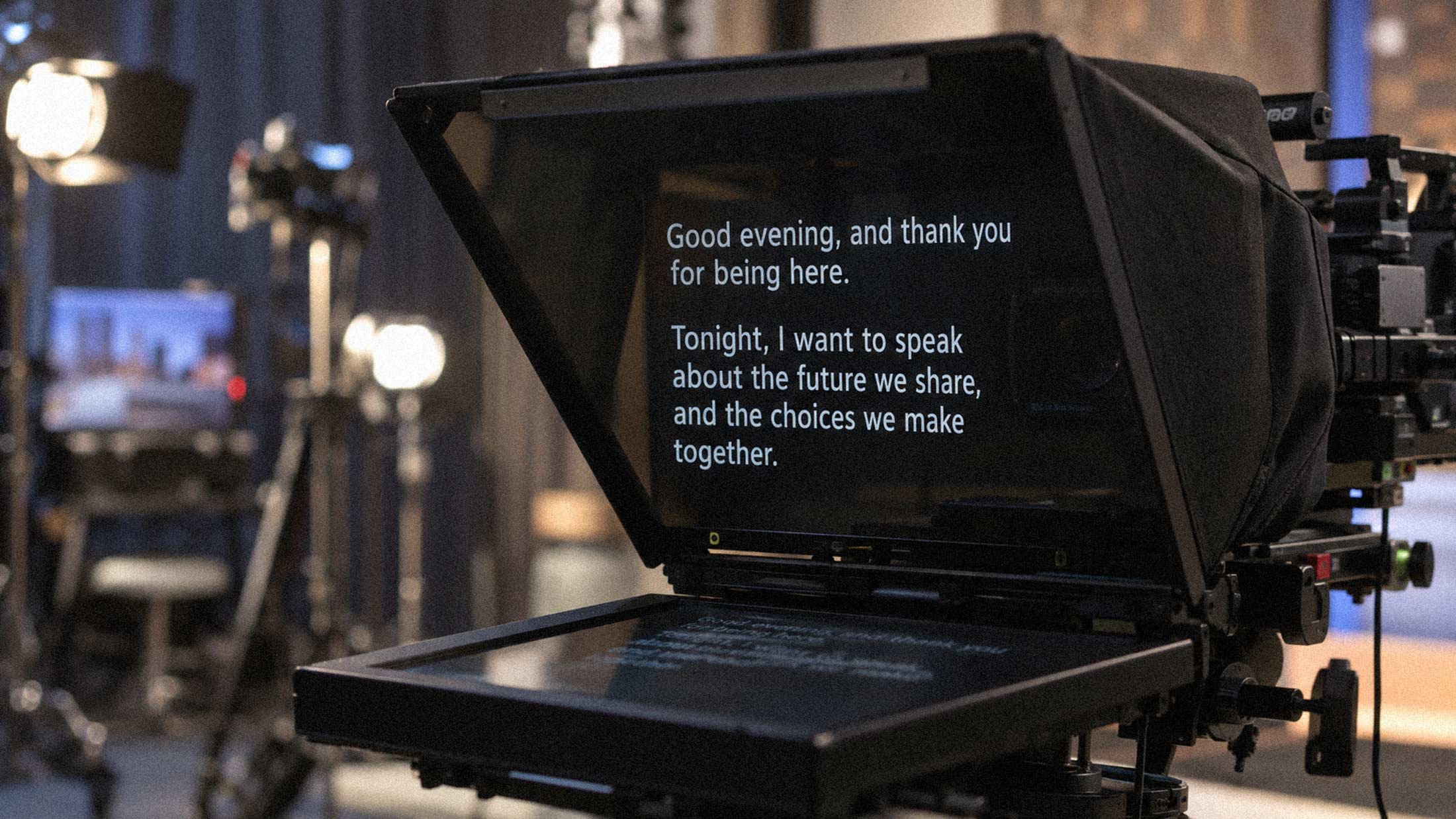
If you wanted a single image to capture where Bitcoin stands in 2026, the speaker lineup at Bitcoin 2026 in Las Vegas delivers it with uncomfortable clarity. FBI Director Kash Patel and Acting Attorney General Todd Blanche headlined a fireside chat titled "Code is Free Speech: Ending the War on Bitcoin," moderated by Coinbase CLO Paul Grewal. Eric Trump, now co-founder and chief strategy officer of American Bitcoin Corp, took the stage alongside SEC Chairman Paul Atkins and CFTC Chairman Mike Selig.
Speakers included the Securities and Exchange Commission chair, the acting U.S. attorney general, and the Trump family. Purists argue the gathering now celebrates the institutions Bitcoin was built to bypass.
Some early Bitcoin supporters said conferences are drifting away from Bitcoin's anti-centralization roots and becoming dominated by corporations, regulators, and political figures. One widely shared post captured the mood: "Meet the 2026 Bitcoin Conference speakers. Or how Bitcoin slowly became the system it was built to escape."
The Government Holds the Cards
The institutional capture extends beyond conference stages. The United States federal government is the largest known state holder of bitcoin in the world, estimated to hold about 328,372 BTC, as of February 2026. Trump signed an executive order in March 2025 to establish a strategic bitcoin reserve. The executive order establishes a Strategic Bitcoin Reserve as a permanent reserve asset, funded by Treasury's forfeited bitcoin.
Government BTC deposited into the Strategic Bitcoin Reserve shall not be sold and shall be maintained as reserve assets of the United States. In practical terms, the U.S. government has locked up the equivalent of eight to thirteen days of normal spot exchange volume indefinitely.
For those who bought into Bitcoin as a hedge against government overreach, this trajectory presents a philosophical problem. Bitcoin holdings are moving from individual wallets toward spot ETFs, corporate treasuries, and custodial platforms. That trend pushes a network built for individual sovereignty closer to traditional finance.
The Quantum Clock Is Ticking
Privacy and philosophical concerns aside, Bitcoin's technical vulnerabilities are becoming harder to ignore. On March 31, 2026, Google's Quantum AI team published a whitepaper revealing that breaking the elliptic curve cryptography protecting Bitcoin could require 20 times fewer quantum resources than estimated in 2019. The headline finding: breaking the 256-bit elliptic curve cryptography that secures Bitcoin could require fewer than 500,000 physical qubits.
John M. Martinis, a Nobel Prize–winning physicist who helped build Google's quantum computers, warns that Bitcoin could be among the earliest real-world targets of quantum attacks. The paper warns that real-time quantum attacks could hijack in-flight Bitcoin transactions in about nine minutes, potentially beating confirmation about 41% of the time and putting some 6.9 million already-exposed bitcoin at risk.
Unlike traditional financial systems, which can migrate to quantum-resistant encryption standards, bitcoin faces a more complex challenge. Its decentralized structure and historical design make upgrades slower and more contentious.
Zcash's Timing May Finally Be Right
Enter Zcash, a cryptocurrency that has spent nearly a decade building exactly the features Bitcoin now urgently needs: privacy by design and a clear path to quantum resistance.
Zcash remains the benchmark for privacy-centric cryptocurrencies. It uses zk-SNARKs (zero-knowledge succinct non-interactive arguments of knowledge). This technology enables "shielded" transactions that conceal sender, receiver, and amount details while maintaining network verifiability.
Zcash shielded transaction share reached 59.3% in February 2026, up from approximately 30% in early 2025. Shielded transaction adoption hit an all-time high of 59.3% in February 2026. The network is converging on encrypted-by-default. Meanwhile, Bitcoin works with an unprecedented level of transparency. All Bitcoin transactions are public, traceable, and permanently stored in the Bitcoin network.
On quantum security, Zcash holds a structural advantage. Zcash differs significantly from Bitcoin in terms of the clarity of its roadmap for eventually becoming quantum-resistant. Its core development team is actively testing quantum-resistant cryptography, and its next upgrade is targeted to hit the mainnet by the end of 2026.
Shielded transactions won't reveal sensitive data, even in a quantum-compromised environment. Zcash's upgrades, including the Zashi wallet and integrations with NEAR for cross-chain privacy, enhance its quantum-readiness.
The Privacy Premium
The surveillance landscape has intensified. The crypto community is raising concerns about privacy as new crypto tax reporting frameworks come into force in 2026. A total of 48 countries have implemented the Crypto-Asset Reporting Framework this year, while the European Union's DAC8 law has also gone into effect.
Mati Greenspan, founder of Quantum Economics, framed privacy's resurgence as a reaction to blockchain transparency itself. "Privacy coins are outperforming because transparency became overused as a control layer," Greenspan said.
Zcash is a wager that the rise of AI surveillance will make financial privacy more valuable, and the crypto market is underpricing that possibility, according to asset manager Grayscale. According to Grayscale's analysis, ZEC makes up about 0.3% of the $1.6 trillion crypto "currencies" segment, a share that reflects expectations that privacy stays marginal. If that view changes, the upside could be significant.
Not a Sure Bet
Zcash carries real risks. Prices retraced quickly after its late 2025 surge, falling more than 60% in the following months as momentum faded. The volatility underscores a recurring pattern for Zcash: sharp upside during narrative-driven rallies, followed by steep drawdowns when that narrative loses urgency.
In Q1 2026, Zcash transitioned from a centralized development model to a "controlled fragmentation" strategy following a January 2026 governance dispute where the original Electric Coin Company team resigned. The ecosystem now operates through five independent organizations. Whether fragmentation strengthens or weakens the project remains an open question.
The dark horse label fits. Zcash has the technology. It has the timing. Whether it has the momentum and the staying power to capitalize on Bitcoin's mounting vulnerabilities is the question the market is quietly beginning to price.