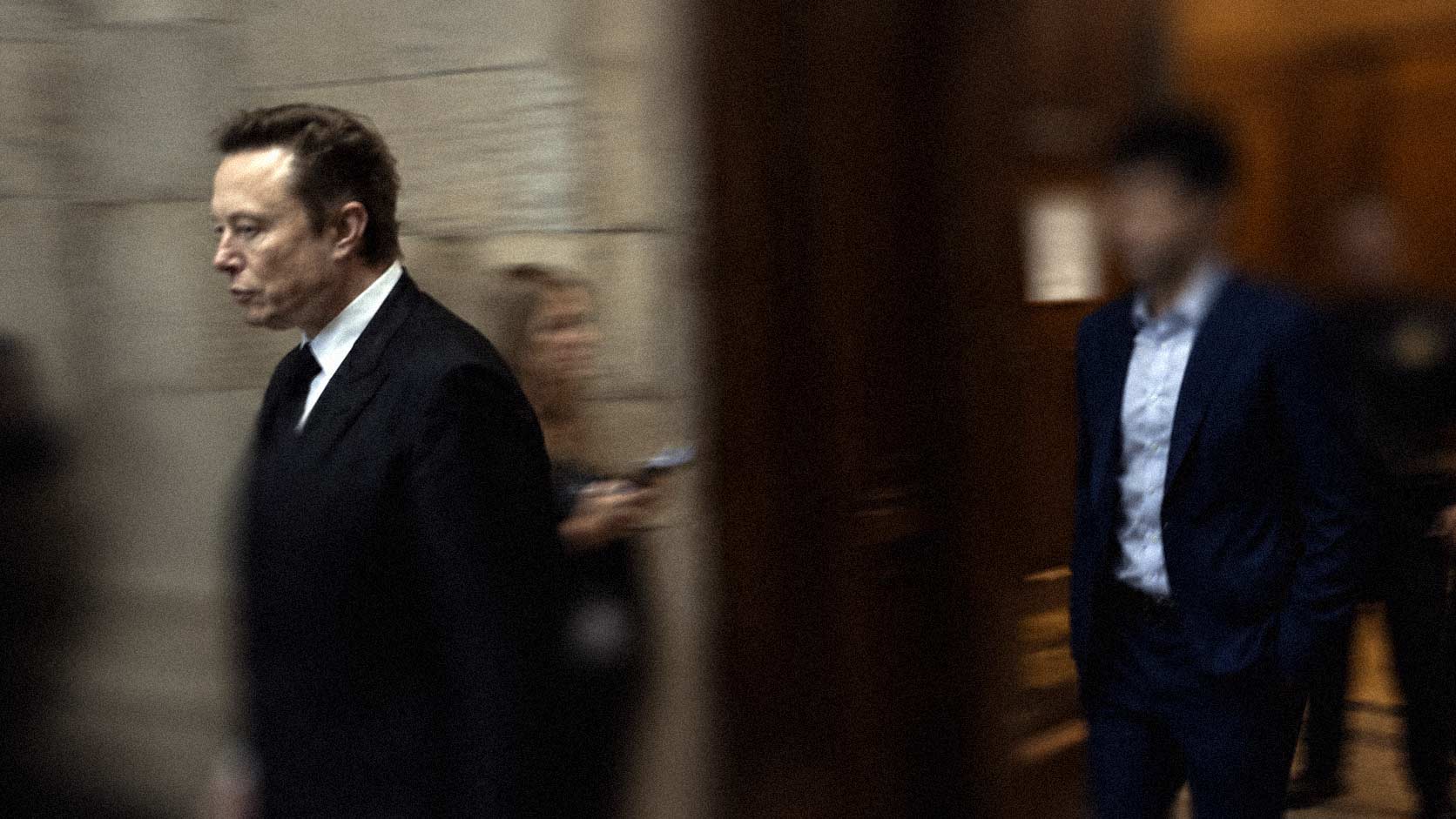
A California jury on Monday unanimously rejected Elon Musk's lawsuit against OpenAI, CEO Sam Altman, and co-founder Greg Brockman, finding that the billionaire waited too long to bring his claims.
The verdict came after less than two hours of deliberation, ending a three-week trial that had captivated Silicon Valley and threatened to upend one of the world's most valuable AI companies. The jury also dismissed Musk's claim that Microsoft, OpenAI's largest investor, aided and abetted the alleged breach of charitable trust.
The Case Turned on Timing, Not Substance
Musk's legal team sought to prove that Altman and Brockman had "stolen a charity" by converting OpenAI from its nonprofit origins into a commercial juggernaut. The statute of limitations proved decisive: three years for breach of charitable trust claims and two years for unjust enrichment allegations. OpenAI's defense successfully argued that any harms Musk sought to litigate occurred before the relevant deadlines.
A forensic accountant hired by OpenAI testified that all of Musk's $38 million in donations had been spent by August 2021, well before he filed suit in 2024. Musk argued he delayed because he believed reassurances from Altman over the years, only becoming convinced of wrongdoing after Microsoft invested $10 billion in early 2023.
U.S. District Judge Yvonne Gonzalez Rogers, who previously presided over the Epic Games v. Apple antitrust case, made clear she was prepared to dismiss any appeal. "There was a substantial amount of evidence to support the jury's finding," she said after the verdict.
OpenAI's IPO Path Now Cleared
The ruling removes a major legal cloud from OpenAI as the company prepares for what could be the largest tech IPO in history. In March, OpenAI closed a $122 billion funding round at an $852 billion valuation, the largest private raise in Silicon Valley history. The company is reportedly targeting a Q4 2026 listing that could value it at $1 trillion.
Had Musk prevailed, the consequences would have been severe. His legal team sought up to $134 billion in "ill-gotten gains," the removal of Altman and Brockman from leadership, and an unwinding of OpenAI's 2025 restructuring into a public benefit corporation. Any of those outcomes would have derailed the IPO timeline.
According to CNBC, Microsoft's stake in OpenAI is now worth approximately $228 billion. The software giant invested roughly $13 billion in OpenAI between 2019 and 2023 and holds a 26.79% stake in the restructured entity.
Appeal Unlikely to Succeed
Musk's lead counsel, Steven Molo, reserved the right to appeal but said no decision had been made. His co-counsel Marc Toberoff was more direct, telling TechCrunch: "One word: Appeal."
The prospects for reversal appear slim. The trial turned on fairly narrow questions of law regarding when Musk's claims accrued, and the jury's findings were unanimous. Appellate courts typically give substantial deference to jury determinations of fact, particularly when the trial judge has indicated she would have dismissed the case on identical grounds.
Even before the verdict, legal analysts were skeptical of Musk's chances. Some suggested the lawsuit itself was always the point, a strategy to damage OpenAI's reputation and potentially complicate its fundraising. On that front, the litigation appears to have failed: OpenAI continued raising massive sums throughout the proceedings, and its commercial momentum has not slowed.
The Broader AI Stakes
The trial exposed tensions at the heart of the AI industry's development. Musk co-founded OpenAI in 2015 as a nonprofit dedicated to developing AI "for the benefit of humanity." He left the board in 2018 after disagreements over control and later launched xAI, his own AI venture that merged with SpaceX in February.
OpenAI's lawyers portrayed the lawsuit as an attempt to kneecap a competitor. Internal communications revealed during discovery showed Musk had himself proposed a for-profit structure, on the condition that he retain control, and had pushed to merge OpenAI into Tesla.
The verdict arrived just days before SpaceX is expected to make its IPO prospectus public. SpaceX, which absorbed xAI, was valued at $1.25 trillion in its last private round. Both Musk and Altman are now racing toward record public offerings, their rivalry unresolved but, for now, no longer playing out in court.