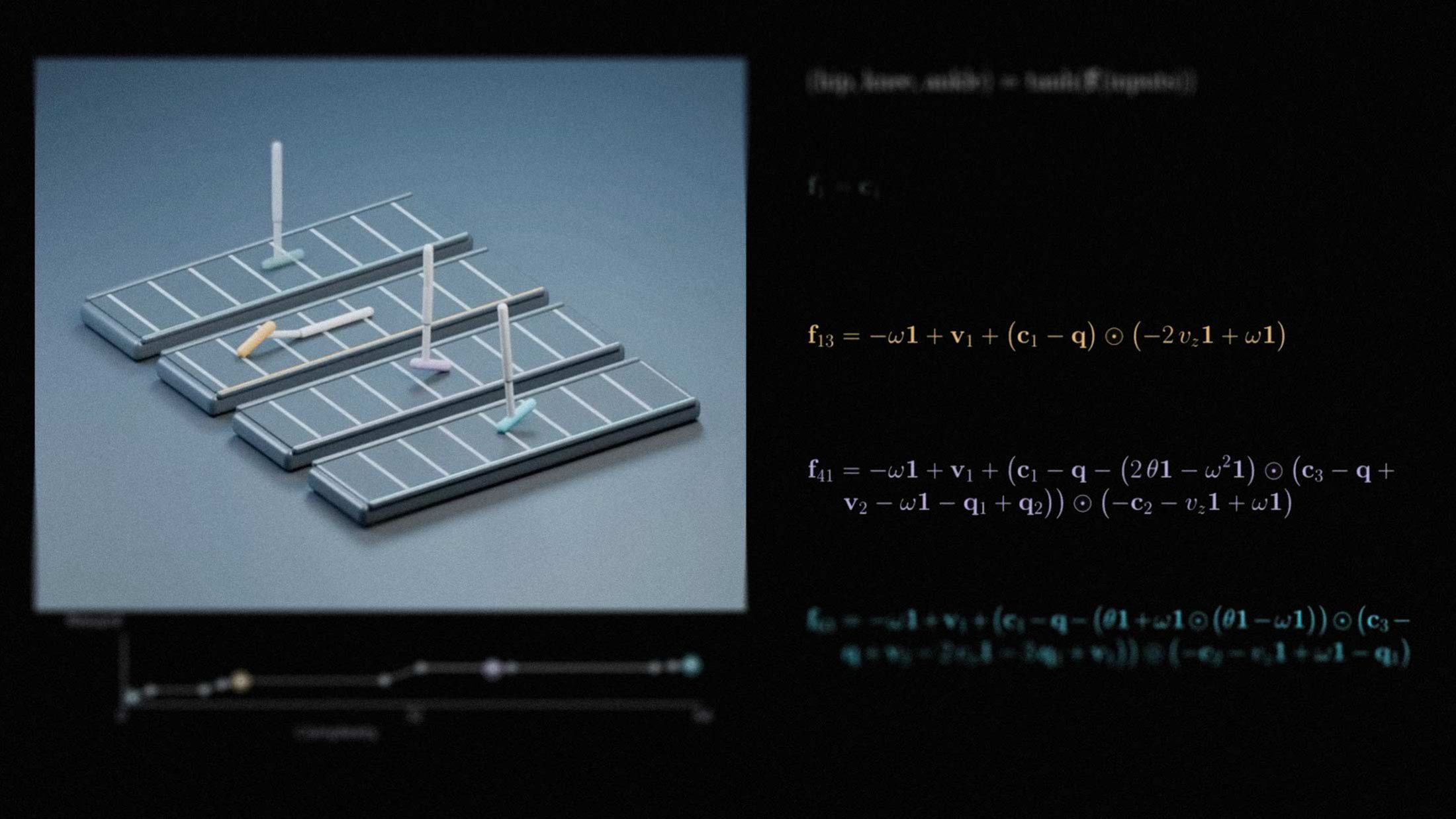
On October 21, Marathon Fusion announced on X that it had converted mercury into stable gold using neutrons from fusion reactions, claiming a production rate ten times faster than CERN achieved in 2025. The company also said it enriched isotopes in what it called the world's most powerful plasma centrifuge, surpassing a Soviet record that stood for 40 years. And it announced plans to build a fusion reactor in San Francisco.
The thread collected over two million views within a day. It offered no experimental data.
Last month, we demonstrated high-rate alchemy: turning mercury into real, stable gold, beating CERN’s record by a factor of 10. Last week, we enriched isotopes in the world’s most powerful plasma centrifuge, beating the Soviet record that stood for 40 years. Now, we’re building a fusion reactor in San Francisco to achieve record power density.
— Marathon Fusion (@MarathonFusion) October 21, 2026
What the Company Says It Did
The process Marathon describes relies on neutrons generated by deuterium-tritium fusion. High-energy neutrons strike mercury-198, ejecting two neutrons and leaving mercury-197, which then decays into gold-197 with a half-life of about 64 hours. Gold-197 is the only stable isotope of gold, so what comes out the other side is, in principle, usable metal.
Marathon published a preprint in 2025 outlining how a future fusion plant could produce roughly two tonnes of gold per gigawatt of thermal power each year, alongside medical isotopes like copper-64 and copper-67 used in cancer imaging. The paper has not been peer-reviewed. In July 2025, co-founder Adam Rutkowski told ZME Science: "The key insight here is that you can use this set of fast neutron reactions to make really large quantities of gold while satisfying the fuel cycle requirements of the system."
The October announcement claims to move from simulation to experiment. But the company has not disclosed how much gold it actually produced, the isotope purity, recovery efficiency, or cost. For scale, CERN's ALICE experiment measured a maximum production rate of about 89,000 gold nuclei per second from lead-ion collisions. Over four years of LHC running, that amounted to 29 picograms of gold. Ten times that rate is still a laboratory curiosity, not a commercial quantity.
The Isotope Work Has Better Footing
The plasma centrifuge claim is separate from the gold announcement and has more external support. In August 2026, Marathon announced it had successfully enriched hydrogen and lithium isotopes using its proprietary plasma centrifuge technology. Dennis Whyte, an MIT professor of nuclear science and engineering, endorsed the results. "Marathon's results on isotope separation are impressive and important for the fusion industry," Whyte said in the company's press release. "By enabling selective tritium pumping, their technology can improve fusion power plant performance while dramatically reducing the required tritium inventory."
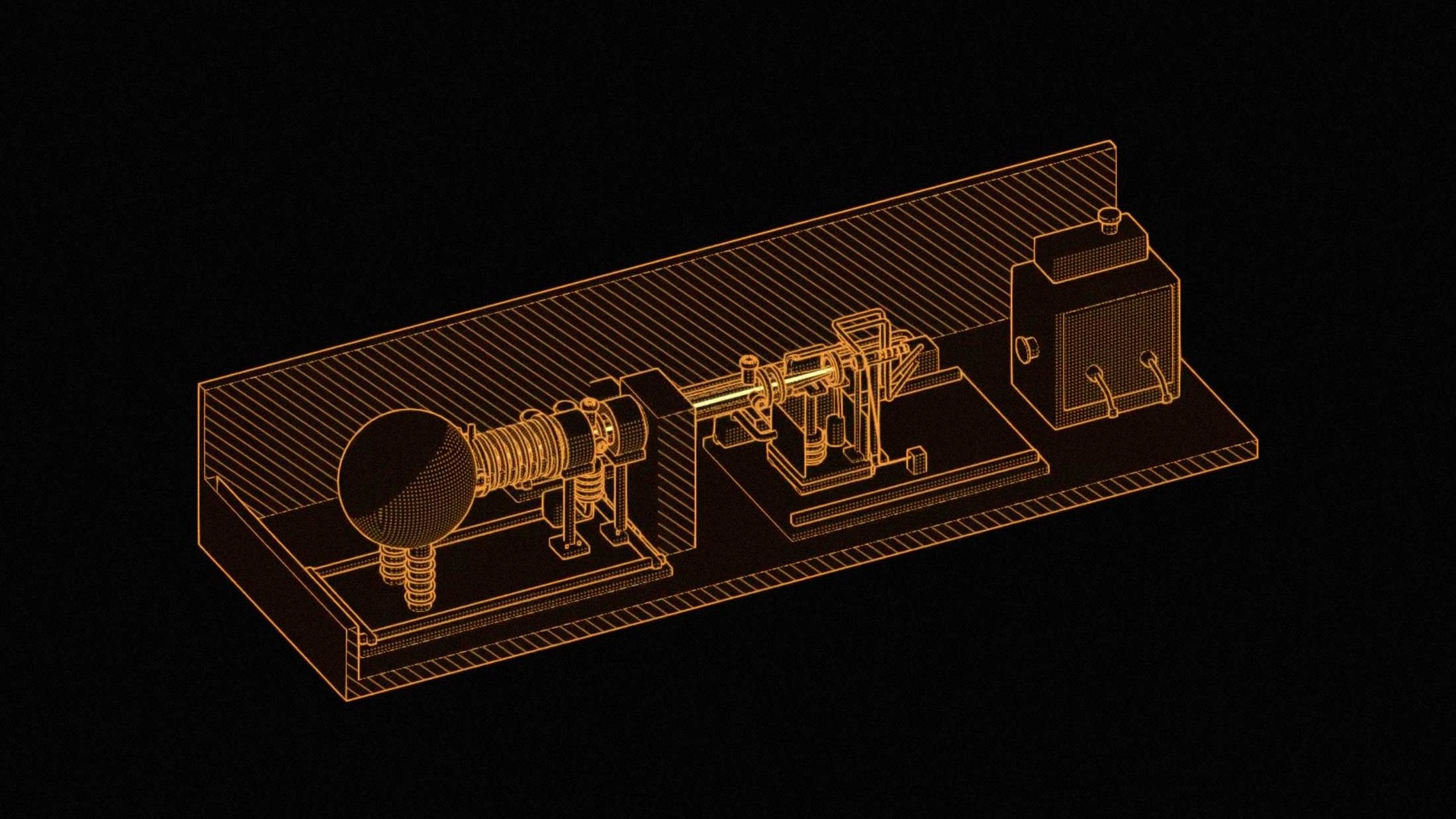
The plasma centrifuge operates in a partially ionized state, using electromagnetic forces to spin the gas mixture and separate isotopes by mass. The Department of Energy has backed Marathon's fuel cycle work through its ARPA-E program, awarding the company $449,065 for metal foil pump development between 2023 and 2025.
The company's claim to have beaten a 40-year-old Soviet record is harder to evaluate. Soviet researchers at facilities like the Kurchatov Institute published plasma centrifuge work through the 1980s, but Marathon has not specified which benchmark it surpassed.
The Reactor Is Still a Millionth of a Gigawatt
Marathon was founded in 2023 by Adam Rutkowski, a former SpaceX propulsion engineer and Princeton plasma physics PhD candidate, and Kyle Schiller, a former science policy fellow at Schmidt Futures. The company has raised at least $6 million in seed funding from 1517 Fund, Anglo American, and others, with additional support from Breakthrough Energy.
The reactor Marathon is now building in San Francisco targets fusion power of 1 kilowatt with a power density of 20 kW per square meter. That is a millionth of the gigawatt scale where the company's gold economics would begin to matter. The 2025 paper itself acknowledges that freshly transmuted gold would carry radioactive isotopes and require years of storage before it could be sold.
Global mines produced about 3,670 tonnes of gold in 2025. Even if Marathon's theoretical projections proved accurate at scale, any effect on gold markets would be decades away. The more immediate business appears to be medical isotopes and fusion fuel processing, where revenue can flow before fusion power is commercial.
The gold claim remains unverified. The company's medical isotope and fuel cycle work, meanwhile, has third-party endorsement and government funding behind it. Those are two different levels of evidence.