Smart glasses have been stuck in a holding pattern for years. The hardware got smaller. The cameras got better. But the software remained locked inside corporate ecosystems, controlled entirely by companies that decide what you can and cannot do with the device on your face. Mentra, a San Francisco startup founded in 2024, thinks that has to change.
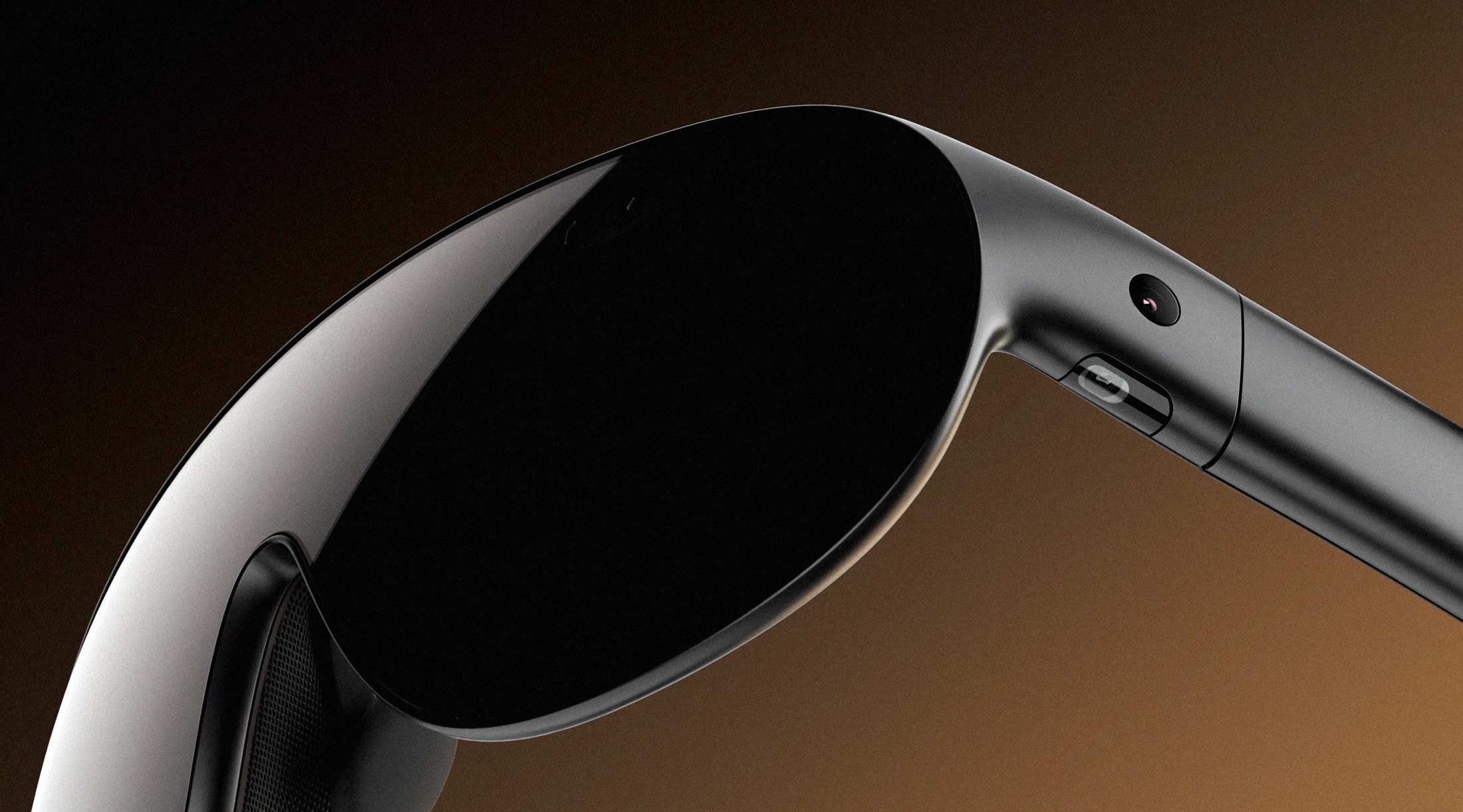
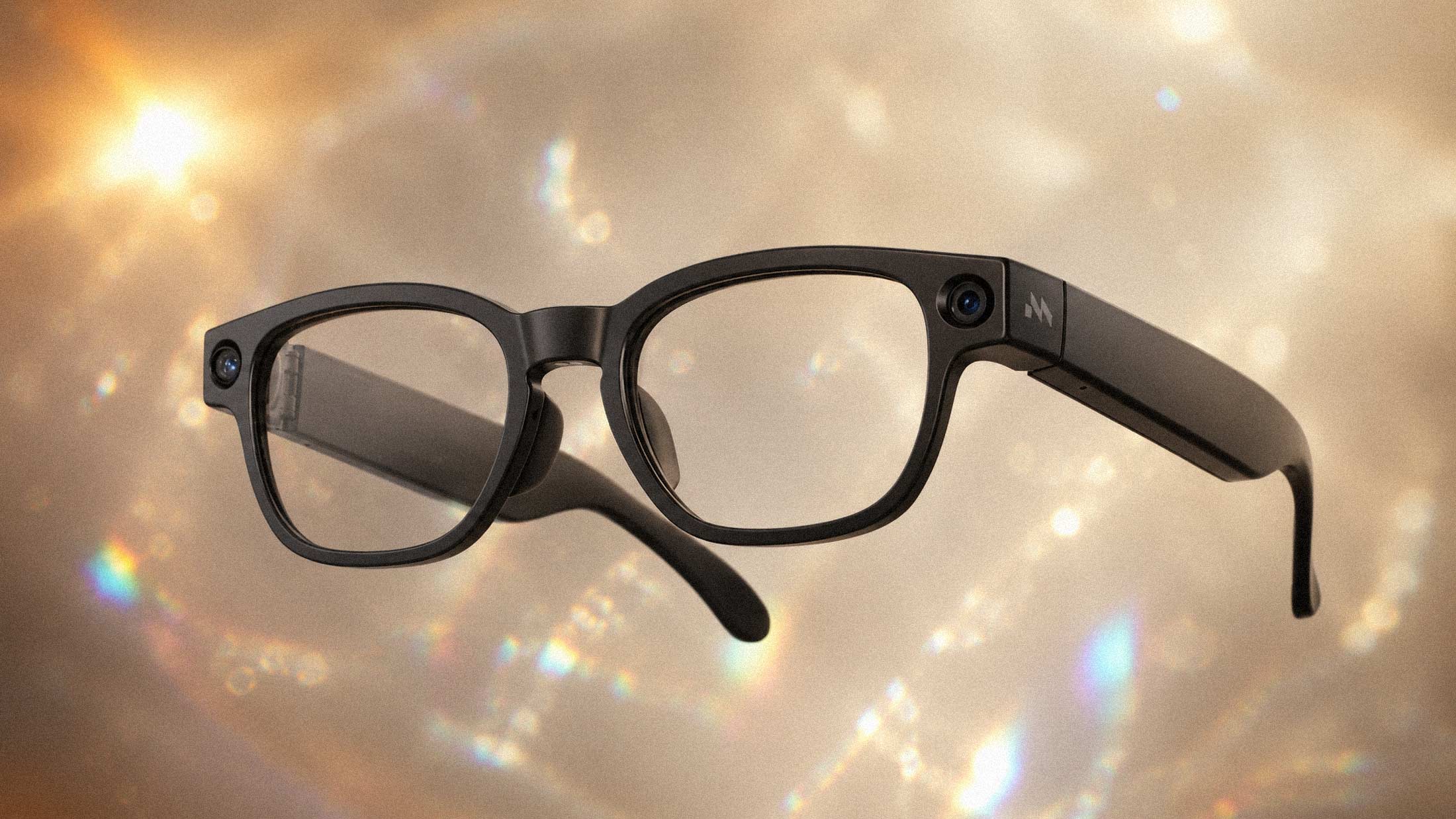
The company's first product, Mentra Live, began shipping in February priced at $349. The glasses themselves are competent but unremarkable on paper: a 12-megapixel camera with a 119-degree field of view, three microphones, stereo speakers, and a MediaTek MTK8766 chipset. At 43 grams, they sit among the lightest in their class. Battery life runs over 12 hours, with an included charging case holding an additional 50-plus hours. The hardware lacks a display, which the company says is intentional to reduce weight and power consumption.
What separates Mentra from Meta's Ray-Ban collaboration or other camera-equipped eyewear is what runs underneath. MentraOS is an MIT-licensed, fully open-source operating system built specifically for smart glasses. The SDK is written in TypeScript. Developers can build apps that access the camera, microphones, speakers, and AI pipelines, then deploy them through what Mentra calls the MiniApp Store. It claims to be the first app store of its kind for smart glasses.
The Platform Play
Mentra's ambition extends beyond selling frames. MentraOS already supports third-party hardware, including glasses from Even Realities and Vuzix. The pitch is simple: write one TypeScript app, ship to every supported device. Enterprise customers can deploy private apps directly to their teams and push updates over the air.
The company has roots in the open-source hardware movement. Co-founders Cayden Pierce and Alexander Israelov connected on Reddit in 2022 while independently building DIY smart glasses. By 2023, they had demoed open-source hardware at CES through a project called OpenSourceSmartGlasses. Pierce worked with wearable computing pioneer Steve Mann at the University of Toronto before joining MIT Media Lab, where he studied under Pattie Maes. He dropped out to start Mentra. Israelov spent time at a spatial computing company in Hong Kong and Shenzhen.
Their GitHub repository spells out the philosophy: "We believe the most valuable use cases will only arise when smart glasses are accessible to be built, worn, and hacked." That ethos now shapes a product backed by Y Combinator, Amazon, Toyota Ventures, and Hartmann Capital.
The Software Gap
The timing makes sense. Meta dominates smart glasses mindshare but locks users into Facebook-family platforms for livestreaming and limits what third-party developers can build. Google Glass never recovered from its privacy backlash and enterprise pivot. Most current alternatives offer either a closed ecosystem or no software platform at all.
Mentra is betting that AI-powered wearables will follow the same trajectory as smartphones, where the winner isn't necessarily the best hardware maker but the company that builds the platform other hardware makers adopt. CEO Cayden Pierce has described MentraOS as "the Android for smart glasses."
Whether that analogy holds depends on execution. Mentra's MiniApp Store already features apps for live captions, real-time translation, AI note-taking, and more niche offerings like "Chess Cheater," which analyzes board positions through the camera and suggests moves. The company says developers have been building on the SDK since early 2025, and Mentra claims a community of over 4,000 developers.
Privacy as Differentiator
The open-source approach also positions Mentra on privacy. MentraOS stores only a user's email and installed apps, according to the company. Users can view and delete their data through the app. The contrast with Meta's data practices is deliberate.
That matters because device transparency is becoming a selling point. When a company decides to stop supporting closed hardware, users are left with expensive paperweights. Open-source ensures the community can maintain, update, and extend devices indefinitely.
What's Missing
The hardware has gaps. Mentra provides no sample footage in its marketing, making camera quality hard to evaluate independently. The glasses currently ship only within the United States, though the company says international availability will expand throughout 2026. A display-equipped model, Mentra Display, is promised for later this year.
The open-source model also introduces uncertainty. App quality on nascent platforms can be uneven. Mentra's success depends on whether developers find the ecosystem worth their time. If the MiniApp Store remains sparse or unreliable, the platform story collapses.
Still, for buyers frustrated by locked-down alternatives, Mentra Live offers something different: eyewear you can actually program, on a platform designed from the start to stay open.