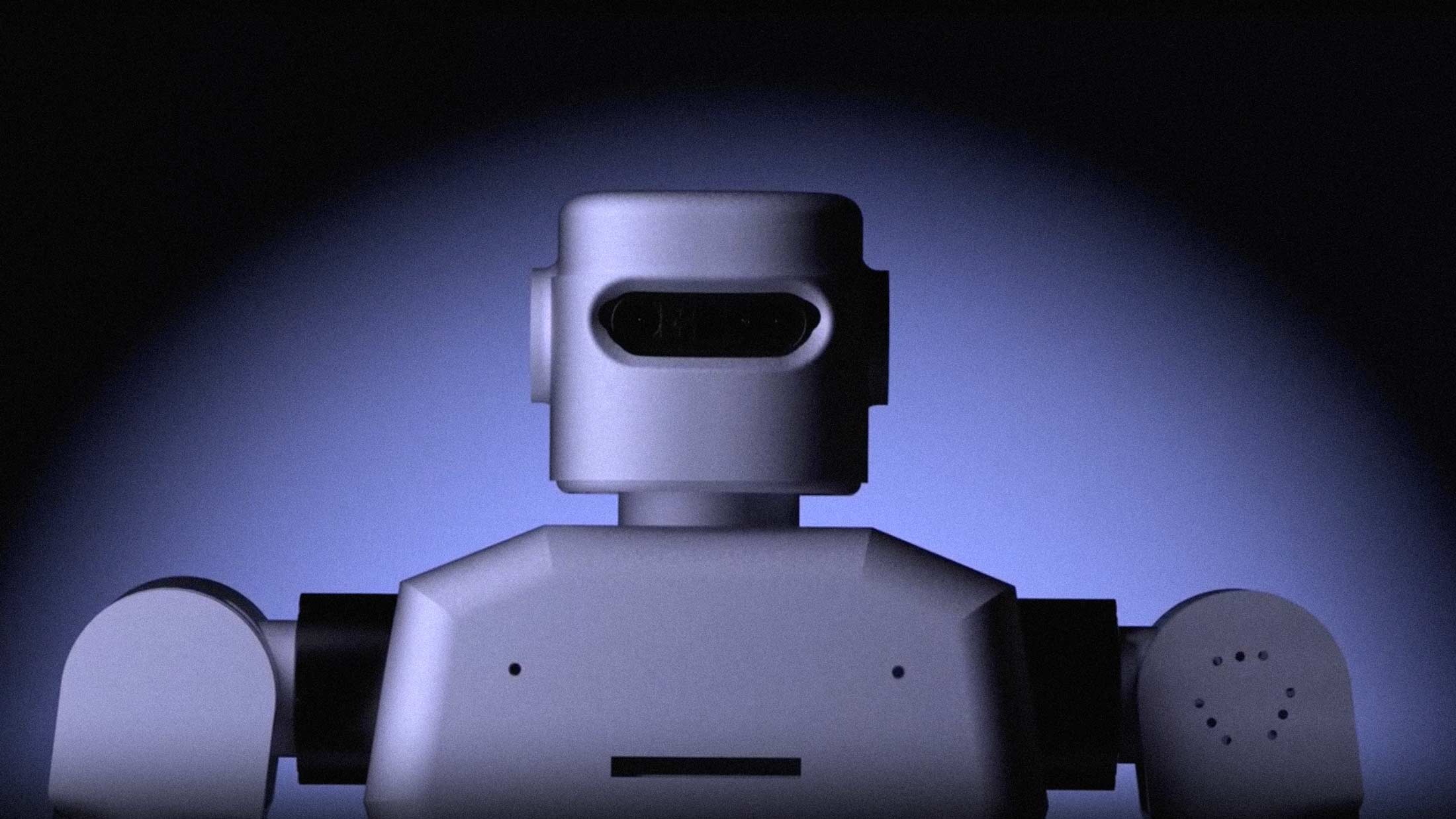
Rotaku, a humanoid robotics company positioning itself as a builder of platforms for embodied AI research, is now taking orders for its Domo Developer, a 90 cm humanoid with a starting price of $2,999 USD. The company is targeting developers, academic researchers, and early-stage robotics teams who need physical hardware for training locomotion policies, running manipulation experiments, and collecting teleoperation data.
A Platform Designed Around Policy Training
The pitch is direct: a humanoid you can actually afford to break. Unlike enterprise robotics platforms that can run into the tens or hundreds of thousands of dollars, Domo Developer slots into a price bracket that individual developers and small labs can reach without institutional procurement cycles.
According to Rotaku's website, the platform is designed around a whole-body policy training pipeline. That means coordinated learning across locomotion, balance, manipulation, and upper-body control. The system supports large-scale simulation training, teleoperation-based data collection, and both imitation and reinforcement learning workflows. URDF support is included for simulation-ready deployment.
Hardware specifications lean practical. The robot stands 90 cm tall and features high-torque motors in a lightweight, fully enclosed aluminum body. Rotaku says this combination of scale and power makes the platform safe for lab environments while remaining durable enough for continuous experimentation. Battery life runs up to two hours of continuous operation, with fast charging reaching full capacity in 30 minutes. Hot-swappable battery packs allow for uninterrupted use during longer research sessions.
Data Collection as a Core Feature
Rotaku appears to be betting that data infrastructure matters as much as the robot itself. The company offers pipelines for motion generation, whole-body teleoperation, and manipulation data collection. Developers can convert human movement video into robot-format training data. A VR teleoperation mode lets operators control the robot's full body, with the humanoid imitating movements in real time. An optional teleoperation kit enables scalable data collection for imitation learning and manipulation policies.
For manipulation work, Rotaku supports leader-arm teleoperation to capture dexterous grasping demonstrations. The system includes gesture recognition for triggering walking, running, navigation, and custom behaviors. A modular body architecture allows swapping end-effectors between dexterous hands, grippers, and custom attachments, while the sensor system is expandable with depth cameras and LiDAR.
LLM Integration and Voice Control
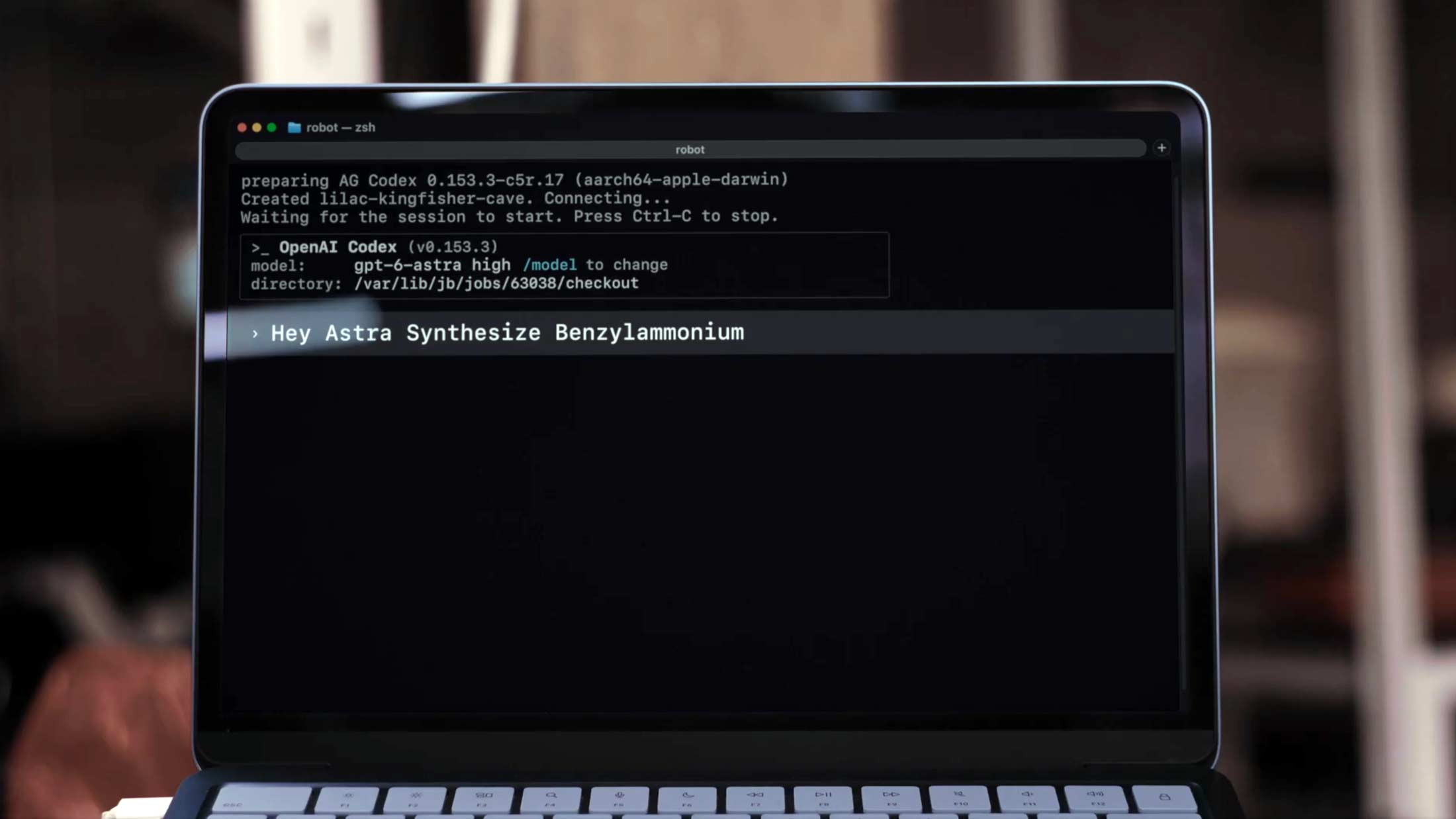
The Domo Developer integrates with large language models, enabling natural conversation, task understanding, and voice-driven robot behaviors. Developers can build custom skills and policy control flows on what Rotaku describes as an extensible AI interface. This aligns with the broader industry thesis that embodied AI needs not just motor control but language understanding to operate in human environments.
Two Platforms, One Strategy
Rotaku is shipping two humanoid configurations: the compact Domo Developer for rapid experimentation, and a larger platform measuring approximately 130 cm for advanced full-body control and research. Orders ship within two to four weeks depending on configuration.
The company is positioning itself as an alternative to established players like Unitree, whose G1 humanoid sells for roughly $13,500. Rotaku's lower price point and explicit focus on developer tooling suggests a bet that the bottleneck in humanoid research is hardware access rather than raw capability.
Details on Rotaku's team and funding remain sparse. The company's website describes its mission as building robots for the world, framing its work at the intersection of engineering precision and cultural imagination. Company background and investor information have not been publicly disclosed.
As robotics hardware becomes more accessible, the race to build foundation models for physical AI increasingly depends on who can accumulate the most useful training data. Rotaku is making a bet that putting affordable humanoids into more hands will generate exactly that.