SquareMind, a Paris-based AI and robotics company, has raised $18 million to bring its automated skin imaging platform to dermatology clinics in the United States and Europe. The round, which includes previously undisclosed pre-Series A financing, was led by Sonder Capital, a venture fund co-founded by medical robotics pioneer Fred Moll.
Moll founded Intuitive Surgical in the 1990s and led the development of the da Vinci robotic surgery system. His involvement here signals a belief that dermatology is ready for the same kind of automation that transformed minimally invasive surgery.
How Swan Works
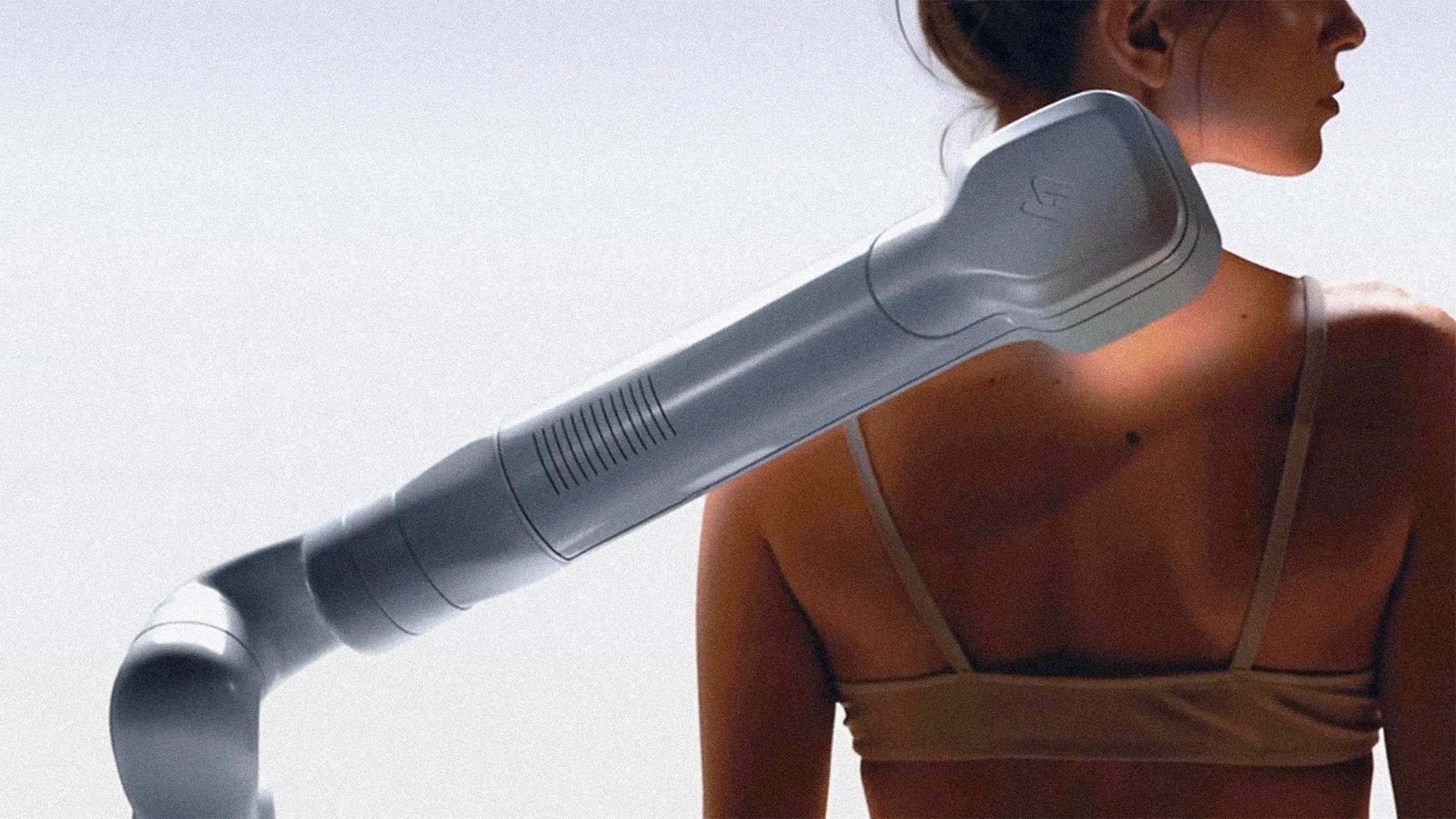
The company's flagship product, Swan, is described as the first robot capable of capturing standardized, full-body dermoscopic imaging. In a private exam room, a patient stands in front of the system while a robotic arm moves around them, guided by visual and audio prompts. The scan is contactless and completes in minutes.
The images are processed through AI-based software that helps physicians identify new or changing moles over time. SquareMind positions the technology as a documentation and tracking tool, not a diagnostic replacement. Dermatologists retain full control over clinical decisions.
Swan already holds FDA Class I 510(k)-exempt listing in the United States and CE marking in Europe, clearing the path for commercial use in both markets.
The Clinical Gap
Skin screening is the highest-volume procedure in dermatology. But demand is outpacing supply. An aging population is driving more patients into clinics, waitlists stretch for months, and short appointment windows leave little time for thorough documentation.
That documentation matters. According to SquareMind, roughly 80% of melanomas arise as new lesions rather than changes to existing moles. Catching them early requires having a reliable baseline to compare against. The traditional dermatoscope, a handheld tool pressed against individual spots, works well up close but offers no practical way to map the entire body consistently across visits.
When melanoma is detected early, survival rates are high. The five-year survival rate for localized melanoma exceeds 99%, according to American Cancer Society data. That figure drops sharply once the disease spreads. Full-body imaging, paired with AI pattern recognition, could help clinics catch more cases before they progress.
The Investment
Other participants in the round include France's Deeptech 2030 Fund, managed by Bpifrance on behalf of the French government, along with Adamed Technology, Calm/Storm Ventures, Teampact Ventures, and unnamed angel investors.
SquareMind was founded in 2019 by Ali Khachlouf and Tanguy Serrat. Khachlouf, who serves as CEO, said the company is seeing strong early interest from practices and hospitals as it prepares for commercial launch.
"Dermatologists are operating under increasing pressure, facing strong cognitive load and fatigue," Khachlouf said in a statement. "Our technology acts as their companion, helping to reduce this burden."
The funding will be used to expand SquareMind's commercial, engineering, and customer support teams ahead of launch.
Competitive Landscape
Existing tools, such as Canfield Scientific's VECTRA WB360 and 3Derm's remote imaging platform, cover parts of this workflow. But according to SquareMind, none combine full-body dermoscopic resolution with robotic automation the way Swan does. The handheld dermatoscope remains the default, and it requires a trained clinician's time for every mole.
Swan is designed to shift that bottleneck. By automating image capture and integrating directly into clinical workflows, the system could free dermatologists to focus on diagnostic decisions rather than documentation.
Whether the bet pays off will depend on whether practices see real efficiency gains. The dermatology workforce is stretched thin, and new invasive melanoma diagnoses increased 42% between 2015 and 2025. If Swan can help clinics see more patients while improving detection rates, the market opportunity is substantial.
For now, SquareMind is preparing for a near-term launch on both sides of the Atlantic, backed by one of medical robotics' most accomplished figures.