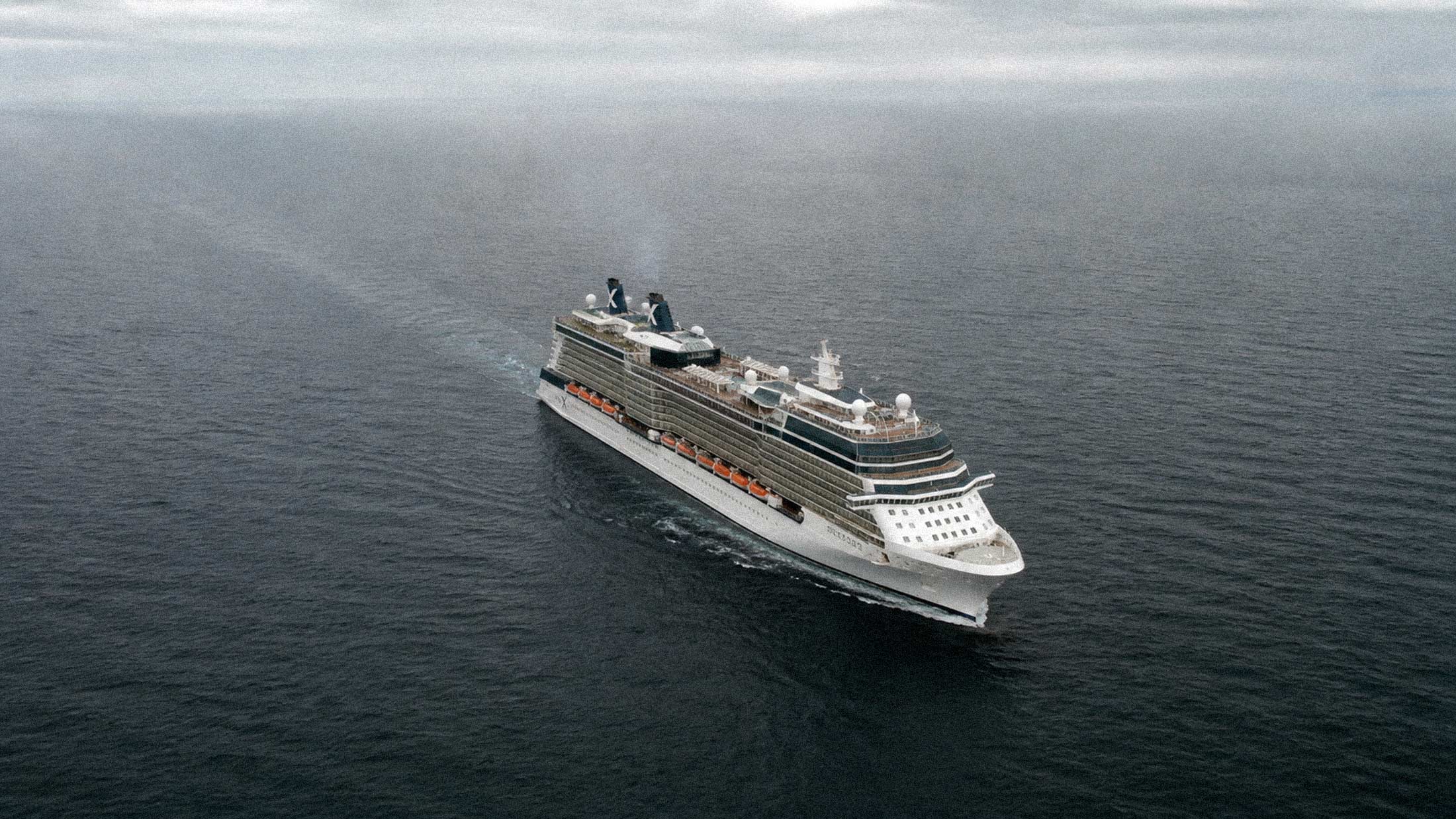
Three people are dead and one is in intensive care after a suspected hantavirus outbreak aboard a cruise ship in the Atlantic Ocean, the World Health Organization confirmed Sunday. The outbreak occurred on the MV Hondius, a Dutch-flagged polar expedition vessel traveling from Ushuaia, Argentina to Cape Verde.
The WHO says one case of hantavirus infection has been laboratory confirmed, with five additional suspected cases under investigation. Of the six affected individuals, three have died and one remains in intensive care in Johannesburg, South Africa. The vessel is currently docked in Praia, Cape Verde, with discussions underway about isolating two additional symptomatic passengers in local hospitals before the ship continues to Spain's Canary Islands.
What We Know About the Victims
The first person to develop symptoms was a 70-year-old man who died on board the ship. His body is currently on Saint Helena, a British territory in the South Atlantic. His 69-year-old wife also fell ill and was evacuated to South Africa, where she died in a Johannesburg hospital. A 69-year-old British national was also evacuated to Johannesburg and remains in intensive care. The third fatality was still aboard the ship as of Sunday evening. South African health officials say they have not yet confirmed the victims' nationalities, though an anonymous source indicated a Dutch couple were among the dead.
The MV Hondius is operated by Dutch-based Oceanwide Expeditions and can accommodate around 170 passengers with approximately 70 crew members. It is the first civilian vessel in the world to receive a Polar Class 6 notation, designed for polar expedition cruises. The ship departed Ushuaia on March 20 for a voyage that included stops at South Georgia and Saint Helena.
Understanding Hantavirus
Hantaviruses are a family of viruses spread primarily through contact with rodents or their urine, droppings, and saliva. According to the CDC, hantavirus pulmonary syndrome is fatal in approximately 38 percent of cases, making it one of the deadlier viral infections a person can contract. There is no specific treatment or cure. Early medical attention, including intensive respiratory support, can improve survival odds.
The virus typically enters humans through inhalation of aerosolized particles from contaminated rodent excreta. Person-to-person transmission is rare for most hantavirus strains. The Andes virus, found in Argentina and Chile, is the only variant for which human-to-human transmission has been documented, though even that evidence remains contested in the scientific literature. Symptoms usually appear one to eight weeks after exposure and begin with flu-like symptoms before potentially progressing to severe respiratory distress.
How passengers on a modern cruise ship contracted the virus remains unclear. Polar expedition vessels frequently visit remote landing sites where rodent exposure is more plausible than on traditional cruises. The ship's itinerary included stops at multiple remote islands, and investigators will likely focus on potential environmental exposures during shore excursions.
Echoes of COVID-19
The incident inevitably recalls the early days of the COVID-19 pandemic, when cruise ships became floating petri dishes and international health coordination proved chaotic. The Diamond Princess, quarantined in Japan in February 2020, became a symbol of how vulnerable the travel industry was to novel pathogens. The pandemic ultimately reshaped manufacturing, travel, and daily life in ways that persist today.
This outbreak is different in important ways. Hantavirus pulmonary syndrome is not a pandemic threat in the same category as respiratory viruses with efficient human transmission. The case fatality rate is higher than COVID-19's, but the transmission dynamics make widespread outbreaks unlikely. Still, the incident exposes persistent gaps in maritime health infrastructure. Under the International Health Regulations, cruise ships must report any unusual health event before arriving at their next port, but protocols for rare zoonotic diseases remain underdeveloped.
The WHO says it is coordinating between member states and the ship's operators to facilitate medical evacuations and conduct a full public health risk assessment. The UK Foreign Office has confirmed it is monitoring the situation and ready to support British nationals if needed.
Implications for Travel and Technology
Cruise ships present unique epidemiological challenges. Passengers from diverse regions share confined spaces, dining facilities, and recreational areas for extended periods. The semi-enclosed environment can facilitate transmission of infectious diseases, whether through person-to-person contact, contaminated food, or environmental vectors.
COVID-19 prompted the cruise industry to invest heavily in air filtration systems, onboard testing capabilities, and revised embarkation protocols. Whether those investments translate to improved response for rare zoonotic pathogens is less certain. Hantavirus detection requires specialized laboratory confirmation, and most shipboard medical facilities are not equipped for that level of diagnostics.
The incident may accelerate discussions about onboard diagnostic technology and real-time pathogen surveillance at sea. Sequencing of the virus is currently ongoing, according to the WHO. That data will be crucial for understanding whether this represents an unusual transmission event or a more conventional rodent-to-human exposure.
For now, the remaining passengers and crew aboard the MV Hondius wait while health authorities across three continents work to understand what happened. The ship's voyage, which promised close encounters with Antarctic wildlife and spectacular polar landscapes, has become an unwanted case study in global health vulnerability.